
 English
 русский
 Español
 عربى
عربى Deutsch
PVC Decorative Film for Interior Surface Finishes
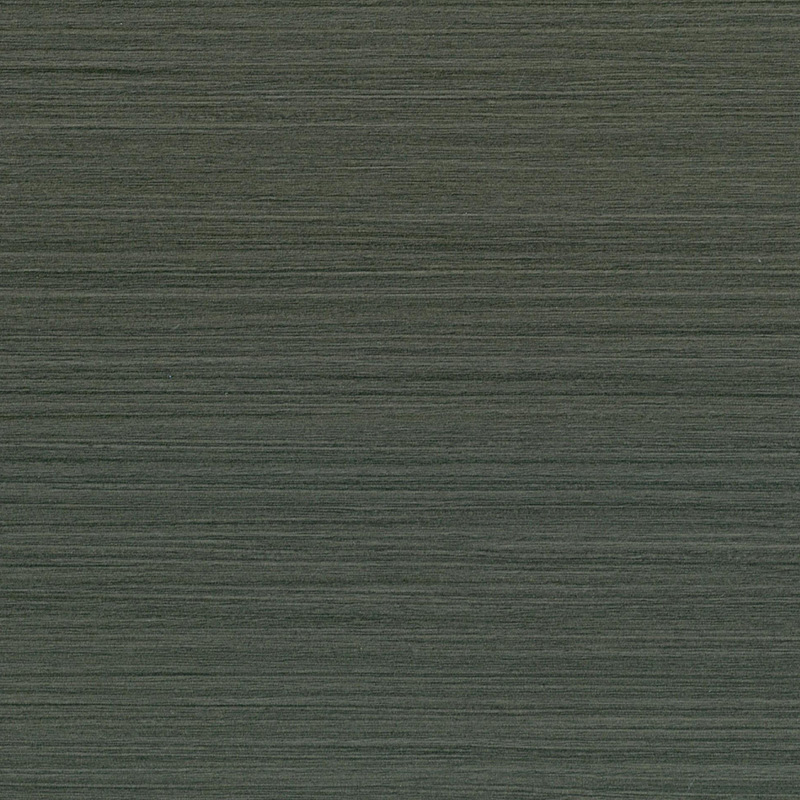
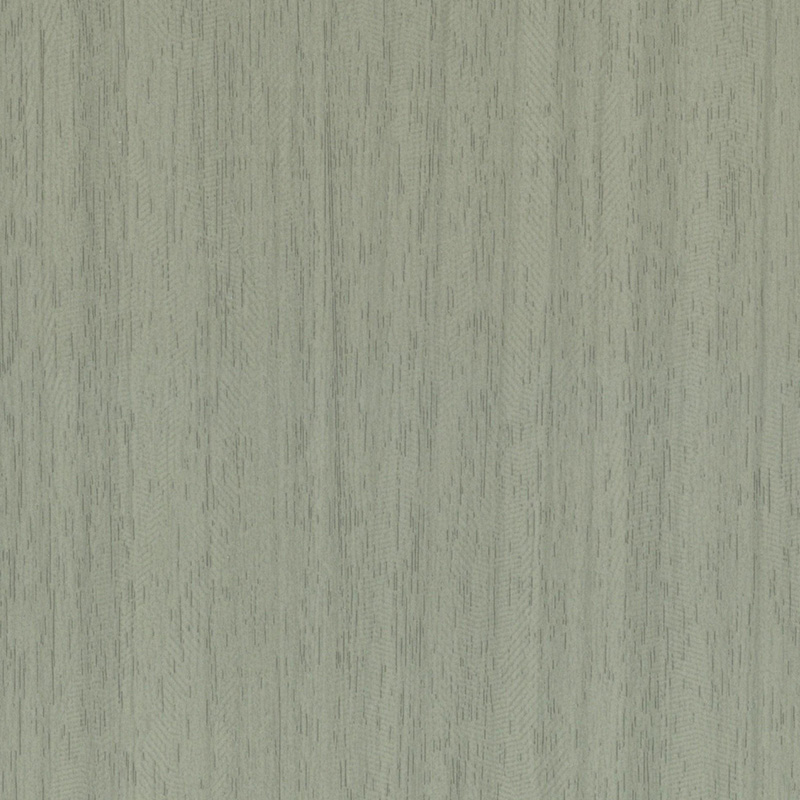
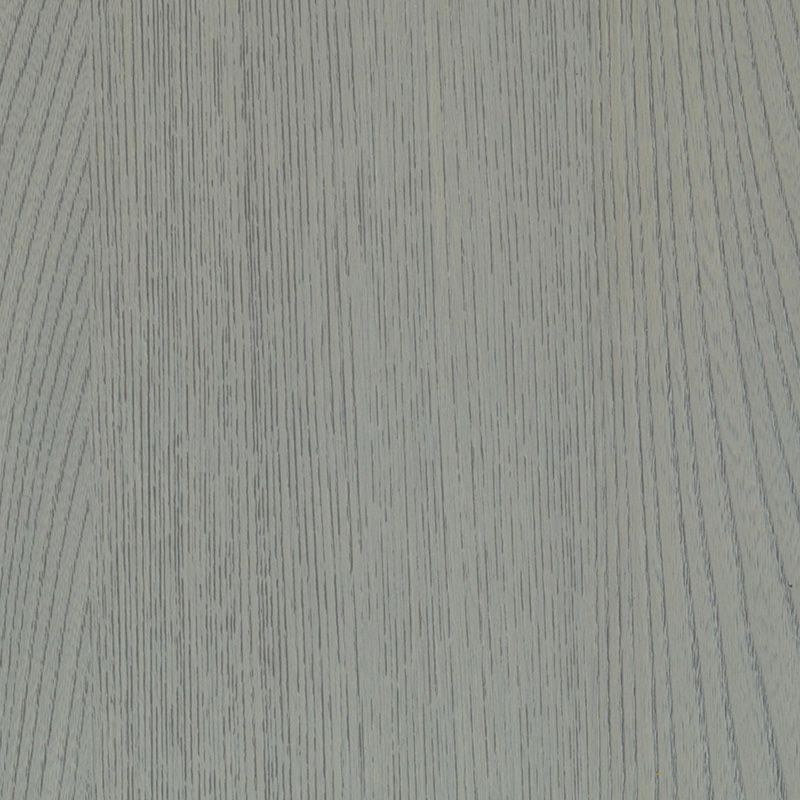
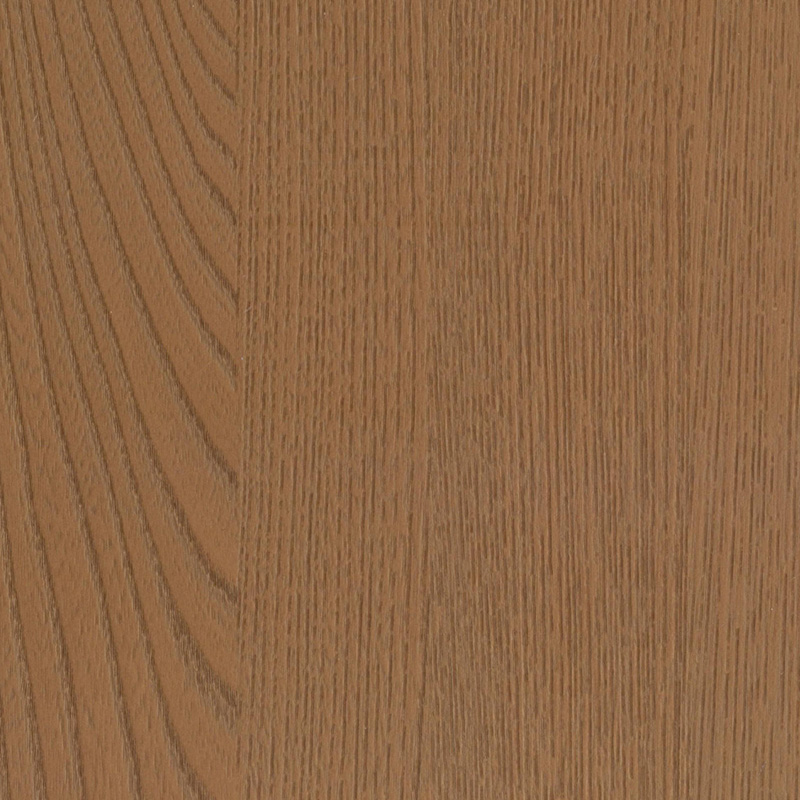
PVC decorative film has become a widely used material for enhancing the appearance of furniture, walls, and other interior surfaces. A PVC decorative film is a thin sheet of polyvinyl chloride material printed with patterns or colors that mimic wood, stone, fabric, or abstract designs. The typical thickness of a PVC decorative film ranges from 0.1 to 0.5 millimeters, making it flexible enough to wrap around curved edges and profiles. PVC decorative film is applied to substrates such as medium-density fiberboard, particleboard, gypsum board, or metal surfaces. The adhesive layer on the back of a PVC decorative film allows it to bond to these surfaces under heat and pressure. The popularity of PVC decorative film comes from its ability to provide a uniform finish at a lower cost than solid wood or natural stone. The material is produced in large rolls, with widths commonly between 1,000 and 1,600 millimeters, and can be cut to length for specific projects.
The manufacturing process of PVC decorative film involves several stages of coating and printing. A base layer of PVC resin is extruded into a continuous sheet, which then passes through a series of printing stations. The printing on a PVC decorative film uses gravure or digital methods to apply multiple colors in registration, creating realistic grain patterns or repeating geometric shapes. A protective top coating is added to the PVC decorative film to improve resistance to scratches, stains, and ultraviolet light. This top layer on a PVC decorative film may be a clear PVC or a specialized acrylic coating that hardens when cured. The final step in producing a PVC decorative film is slitting the wide master roll into narrower rolls of standard widths for different applications. Some types of PVC decorative film receive an embossing treatment, where heated rollers press a texture into the surface, such as wood grain pores or linen weave patterns.
The application of PVC decorative film to a substrate requires a laminating machine that applies heat and pressure. The substrate is first cleaned and sometimes primed to improve adhesion. The PVC decorative film is then fed over the substrate while heated rollers activate the adhesive layer. For three-dimensional surfaces such as cabinet door profiles, a vacuum laminating process is used. In vacuum lamination, the substrate and PVC decorative film are placed in a chamber where air is removed, and heat is applied. The atmospheric pressure then presses the PVC decorative film tightly against all contours of the substrate. This method allows PVC decorative film to cover shaped edges and recessed panels without wrinkling or lifting. The edges of the laminated piece may be trimmed or sealed, depending on the final product requirements.
Cleaning and maintenance of PVC decorative film are straightforward for household and commercial settings. A soft cloth with mild soap and water removes dirt and grease from the surface of a PVC decorative film. Harsh solvents or abrasive pads should not be used on PVC decorative film, as these can damage the printed layer or top coating. For stains that do not respond to soap and water, isopropyl alcohol applied briefly and wiped off may work on some PVC decorative film surfaces. The edges of panels covered with PVC decorative film should be inspected periodically for lifting, especially in areas with high humidity. PVC decorative film continues to be selected by furniture manufacturers and interior designers for its range of visual effects and practical handling properties.


 No.3 Guangfu \Road, Hecun Town, Jiangshan City, Zhejiang Province, China
 +86-15700041115

Copyright © Zhejiang Jiahong Decoration Material Co., Ltd. All Rights Reserved
