
 English
 русский
 Español
 عربى
 Deutsch
PVC Film For Door Expands Decorative Panel Options
Why Surface Materials Matter in Door Production
Door design involves more than the shape of the panel or the choice of hardware. Surface finishes influence the appearance, texture, and overall style of a finished door. For manufacturers serving residential projects, commercial interiors, and furniture production, decorative films provide a way to create different visual effects without changing the basic panel structure.
PVC Film For Door is a decorative surface material commonly used on suitable door panels and related interior components. Depending on its formulation and production method, the film can feature woodgrain patterns, solid colors, stone-inspired textures, or other decorative effects.
Its flexibility allows manufacturers to develop product ranges that match different interior styles. Film selection depends on the panel substrate, application method, surface requirements, and the intended appearance of the finished product.
Material Structure and Decorative Options
Polyvinyl chloride, commonly known as PVC, can be processed into films with different thicknesses, colors, textures, and surface finishes. Decorative designs may imitate natural wood patterns or provide a uniform color for contemporary interiors.
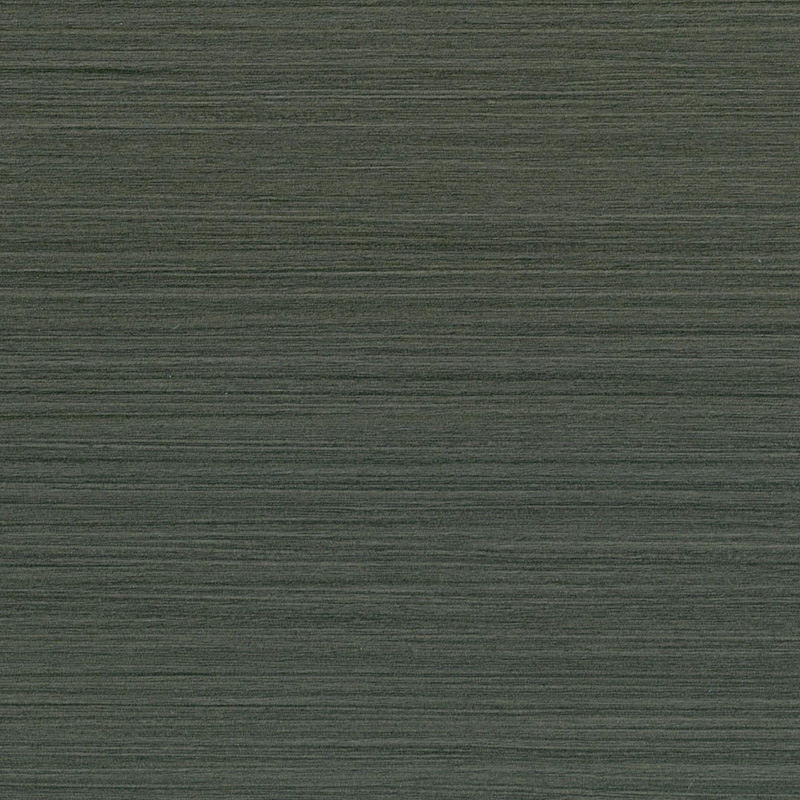
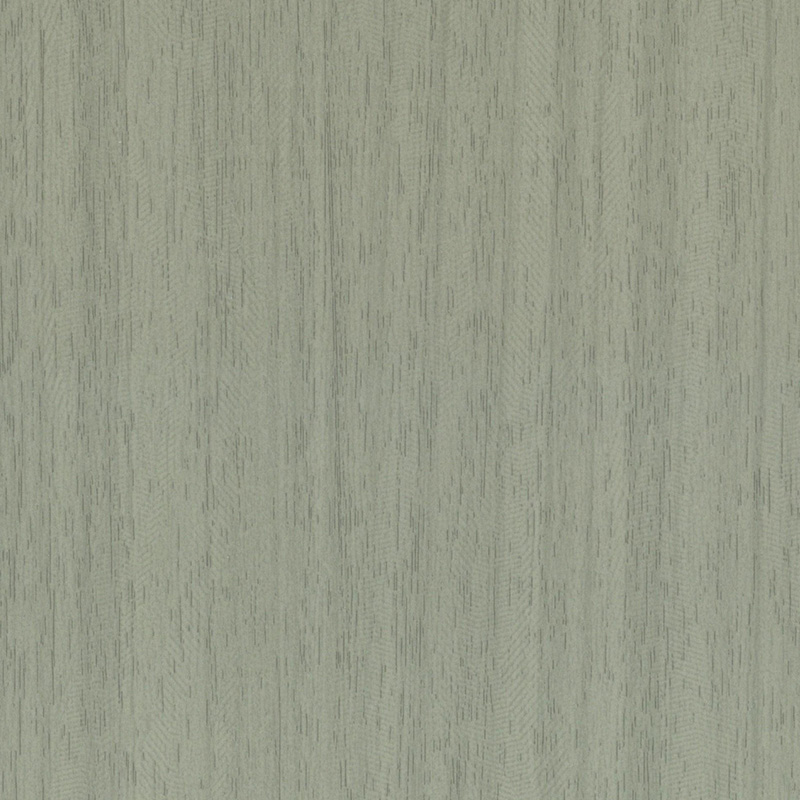
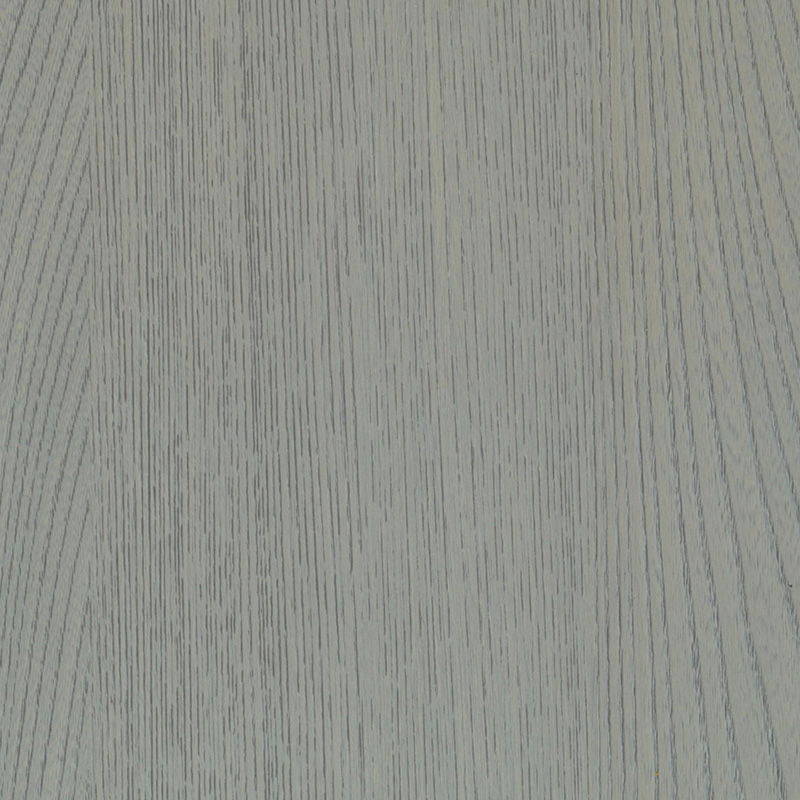
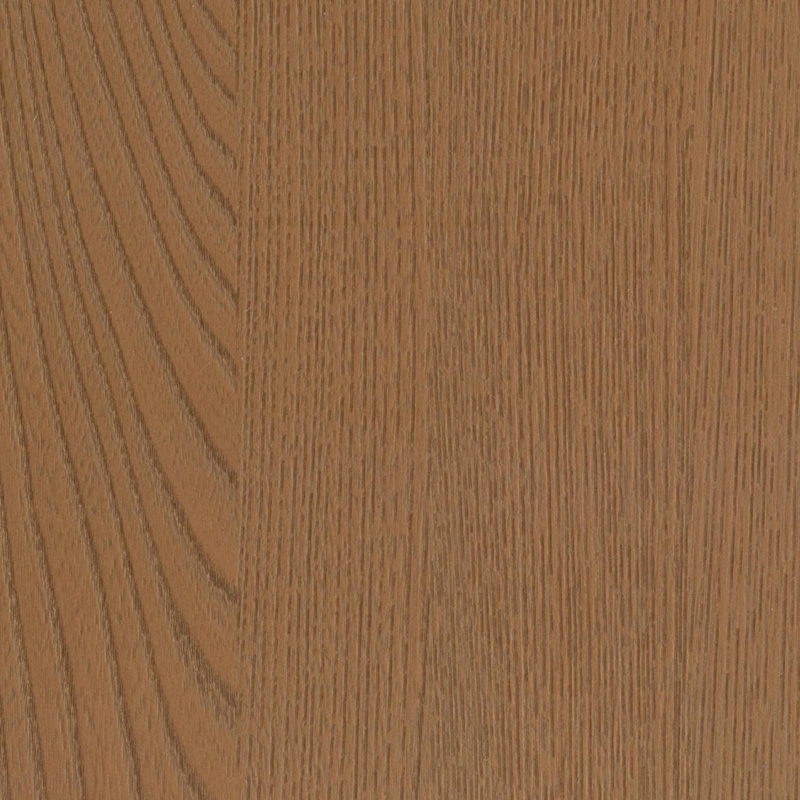
Woodgrain finishes are commonly selected for doors designed to coordinate with flooring, cabinets, and other furniture. Matte surfaces create a subdued appearance, while gloss finishes produce a more reflective look. Embossed textures can add a tactile dimension to the decorative surface.
When selecting PVC Film For Door, manufacturers should consider both the printed pattern and the physical characteristics of the film. Flexibility, thickness, surface texture, and compatibility with the intended application process all influence the finished result.
Applications Across Interior Product Categories
PVC decorative films are used in several interior product categories. Door manufacturers may apply them to bedroom doors, wardrobe doors, cabinet doors, and selected interior partition panels. Furniture producers may also use related finishes to create a coordinated appearance across cabinets, storage units, and built-in furniture.
In residential interiors, woodgrain patterns can support traditional or natural-looking designs. Solid colors may suit minimalist spaces, while textured finishes can add visual interest to furniture and door panels.
Commercial interiors create additional requirements. Hotels, offices, apartments, and retail spaces may need consistent colors and patterns across multiple doors and fitted furniture components.
A PVC Film For Door product range can help manufacturers address these applications through different patterns, surface finishes, and specifications. The appropriate selection depends on the project design, substrate, panel geometry, and expected production volume.
Customization for Door Brands and Distributors
Customization allows decorative film suppliers to serve different door manufacturers and interior product brands. Depending on production capabilities, options may include customized colors, printed patterns, embossed textures, gloss levels, and roll specifications.
OEM projects may follow artwork and technical requirements supplied by the customer. Other projects may involve selecting existing patterns and adjusting product specifications to suit a particular door range.
Before production begins, buyers should confirm the intended substrate, application process, film dimensions, pattern direction, and surface finish. These details help reduce uncertainty when moving from samples to bulk orders.
A well-specified PVC Film For Door product can help manufacturers coordinate decorative finishes across door panels and related interior components. By connecting material selection with panel design and production methods, suppliers can support varied requirements in the door and furniture industries.


 No.3 Guangfu \Road, Hecun Town, Jiangshan City, Zhejiang Province, China
 +86-15700041115

Copyright © Zhejiang Jiahong Decoration Material Co., Ltd. All Rights Reserved
