
 English
 русский
 Español
 عربى
عربى Deutsch
PVC Film for Door Provides Decorative and Protective Layer
The PVC film for door has become a widely used material in interior door manufacturing and renovation projects. Unlike paint or stain that requires drying time and multiple coats, PVC film for door applies as a single layer with consistent color and texture. Door manufacturers have selected PVC film for door for its ability to mimic wood grain, solid colors, and metallic finishes. The durability of PVC film for door explains its use in high-traffic areas such as hotels, offices, and apartment buildings. Film producers continue to manufacture PVC film for door in various thicknesses, patterns, and surface textures.
Construction of PVC film for door involves a multi-layer structure for performance and appearance. The top layer of PVC film for door includes UV inhibitors that prevent yellowing from sunlight exposure. The print layer of PVC film for door carries decorative patterns printed with fade-resistant inks. The adhesive layer on PVC film for door bonds to the door substrate during heat and pressure application. A clear protective coating on some PVC film for door adds scratch and stain resistance. The total thickness of PVC film for door ranges from 0.12 to 0.40 millimeters depending on application.
Application methods for PVC film for door include vacuum pressing and roller lamination. A vacuum press applies PVC film for door to profiled door surfaces with raised panels and recessed areas. The temperature during PVC film for door application ranges from 120 to 180 degrees Celsius depending on film type. A roller lamination system applies PVC film for door to flat door surfaces for cabinet and wardrobe doors. The pressure setting for PVC film for door must be sufficient to activate the adhesive without stretching the film. A properly applied PVC film for door shows no bubbles, wrinkles, or edge lifting.
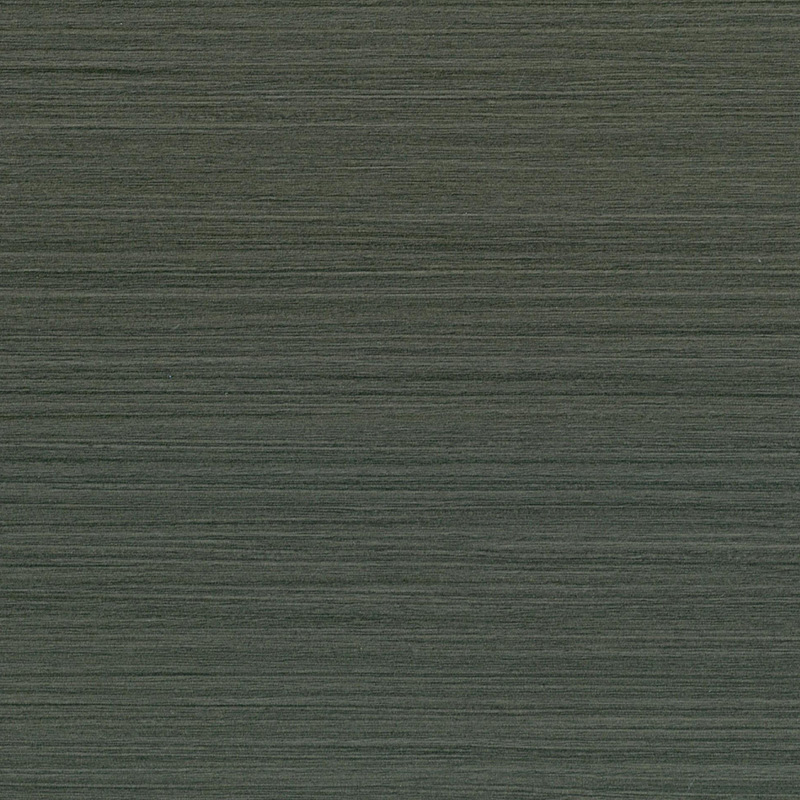
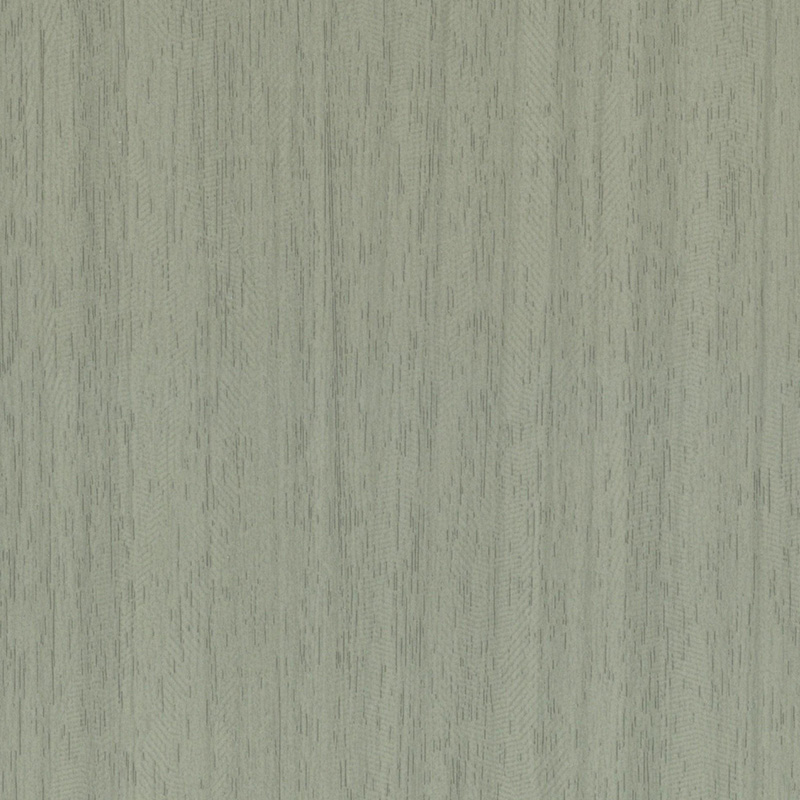
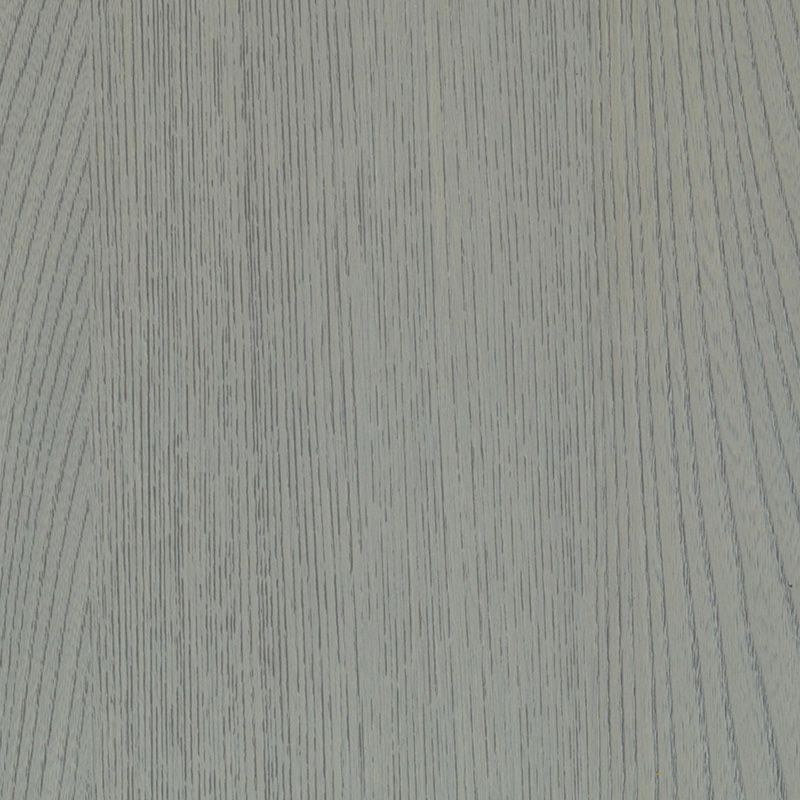
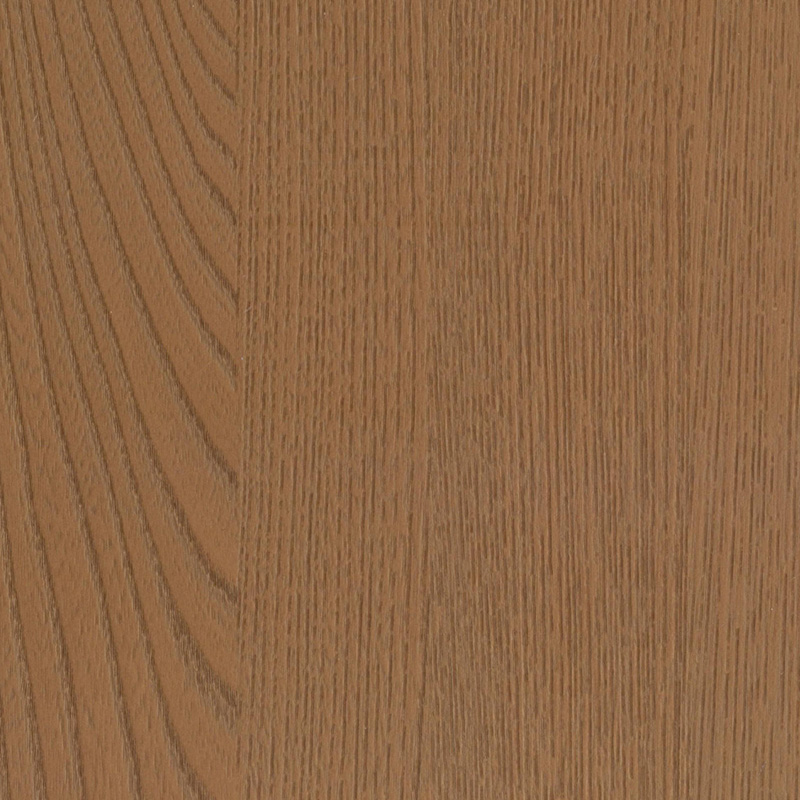
Wood grain patterns on PVC film for door allow cost-effective imitation of natural timber. An oak pattern PVC film for door provides warm brown tones for traditional interior designs. A walnut pattern PVC film for door offers darker shades for office and study doors. A maple pattern PVC film for door suits contemporary and Scandinavian-style interiors. The registration of grain pattern on PVC film for door should match across multiple door panels. A high-resolution print on PVC film for door creates realistic wood grain with visible pores and knots.
Solid color options of PVC film for door suit modern and smallist design themes. A white PVC film for door remains the popular choice for residential and commercial applications. A gray PVC film for door has gained popularity in contemporary home design. A black PVC film for door creates dramatic entrance statements for modern offices. The color consistency of PVC film for door across production batches matters for large projects. A matte finish PVC film for door reduces visible fingerprints compared to gloss finishes.
PVC film for door will likely continue as an alternative to painted and veneered doors. Advances in digital printing may allow custom PVC film for door patterns. For door manufacturers seeking durable, low-maintenance surfaces, PVC film for door offers a practical solution.


 No.3 Guangfu \Road, Hecun Town, Jiangshan City, Zhejiang Province, China
 +86-15700041115

Copyright © Zhejiang Jiahong Decoration Material Co., Ltd. All Rights Reserved
