
 English
 русский
 Español
 عربى
عربى Deutsch
PVC Film For Door Supports Creative Finishes
Doors play a central part in any building, separating rooms while adding to the overall look. PVC film for door provides a way to update their appearance with various patterns and textures. This material comes as a thin layer applied to surfaces, giving doors new character without major replacements.
Manufacturers and installers turn to these films for their versatility in home and commercial settings. The films adhere through processes like lamination or membrane pressing, creating smooth or textured finishes that catch the eye.
The Basics of PVC Film For Door Application
PVC film for door consists of polyvinyl chloride material formed into rolls. It comes in different thicknesses suited to door panels made from MDF, wood, or similar bases. During application, heat and pressure help the film bond evenly, resulting in a uniform surface.
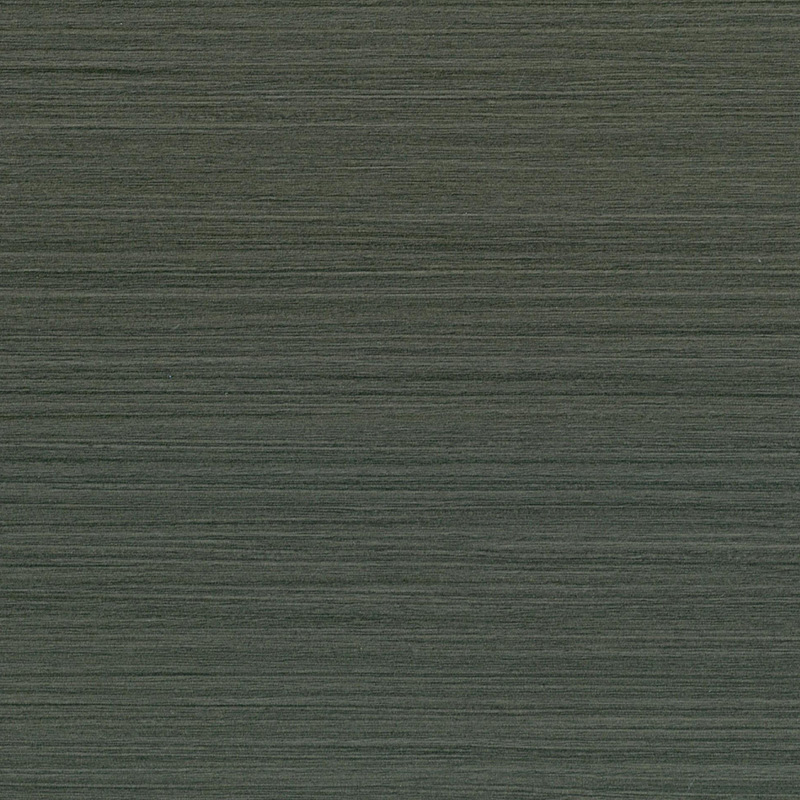
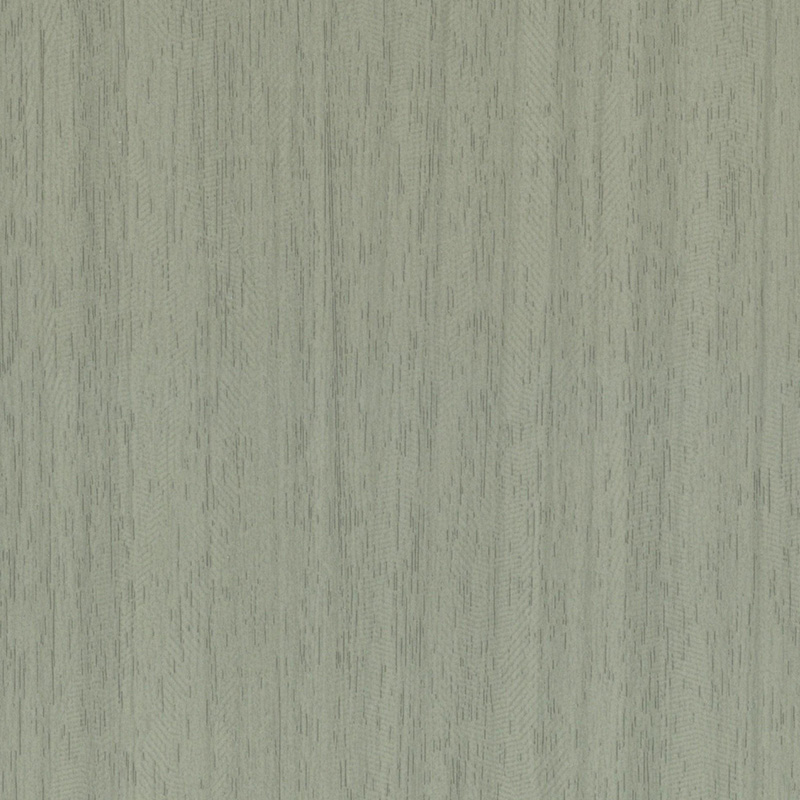
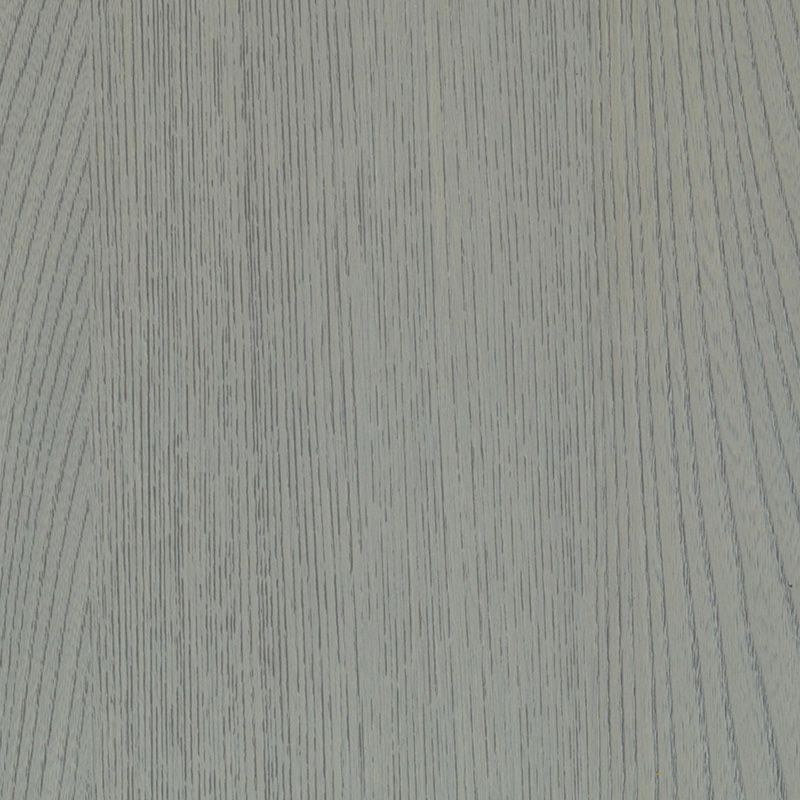
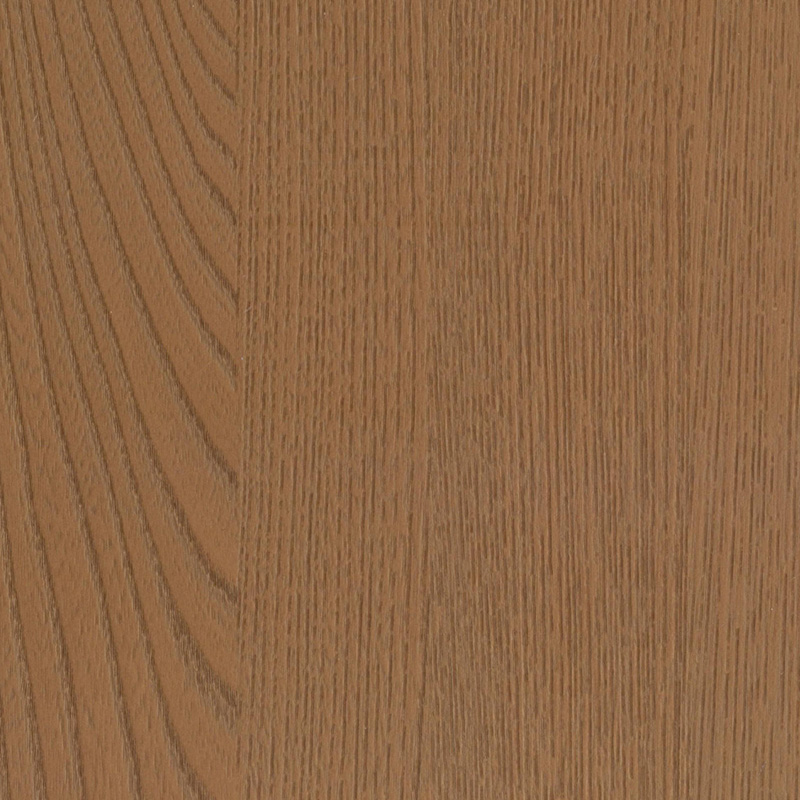
Designs range from wood grain patterns that mimic natural materials to solid colors and modern gloss effects. This variety allows matching doors to existing furniture or wall tones in a room.
- Wood grain options: Bring warmth similar to oak or walnut appearances.
- Solid color choices: Deliver clean, uniform looks for minimalist styles.
- Textured finishes: Add depth through subtle patterns or embossing.
These features make the film a common choice for updating plain door surfaces.
How PVC Film For Door Fits Into Door Production
In door factories, the film wraps around panels during assembly. Membrane pressing uses vacuum to pull the film tightly over contours, covering edges and details effectively. This method works well for doors with raised panels or curved elements.
The material holds up during regular use, resisting marks from daily contact. Its flexibility supports shaping around profiles without cracking. For interior doors, this creates consistent results across multiple units in a project.
| Aspect | Description | Common Use |
| Thickness | Varies by application | Standard for flat panels |
| Patterns | Wood, solid, gloss | Interior room doors |
| Application | Lamination or pressing | MDF or wood bases |
| Finish Types | Matte to high gloss | Different room styles |
This table shows how options align with typical door projects.
Everyday Appeal in Homes and Offices
Walking through a building, updated doors with PVC film for door can shift the feel of a space. A simple change from basic painted surfaces to wood-like grains adds interest. In offices, coordinated door finishes contribute to a polished environment.
Homeowners often select films that coordinate with flooring or cabinetry. The process allows quick transformations during renovations. Kitchens, bedrooms, and hallways benefit from doors that blend or stand out as design elements.
Design Ideas Using PVC Film For Door
Interior designers pair these films with various themes. Modern spaces might use high-gloss white or gray films for a sleek appearance. Traditional rooms gain from oak or cherry grain patterns that echo classic woodworking.
In children's areas, brighter solid colors add playfulness. Commercial settings like hotels use neutral tones for wide appeal. The range of available designs encourages mixing and matching across a building.
- Matching sets: Apply similar films to doors and frames for unity.
- Accent doors: Choose contrasting finishes to highlight entryways.
- Pattern play: Combine grains with solid panels in the same room.
Such approaches turn functional doors into visual features.
Exploring Variations in Film Types
Different formulations address specific needs. Some films emphasize flexibility for curved applications, while others focus on flat panel coverage. Gloss levels vary from soft matte for subtle effects to reflective surfaces that brighten rooms.
Suppliers offer custom color matching for large projects, ensuring doors fit brand or design schemes. This adaptability makes PVC film for door suitable for both small custom jobs and larger production runs.


 No.3 Guangfu \Road, Hecun Town, Jiangshan City, Zhejiang Province, China
 +86-15700041115

Copyright © Zhejiang Jiahong Decoration Material Co., Ltd. All Rights Reserved
