
 English
 русский
 Español
 عربى
عربى Deutsch
PVC Furniture Film Processing Methods
PVC furniture film serves as a surface covering material widely applied in furniture manufacturing and interior fit-out projects. Fabricators and project teams rely on this film to deliver consistent color and texture across panel surfaces. A selected PVC Furniture Film supports production efficiency while meeting design specifications for commercial and residential furniture lines.
Material Properties of PVC Furniture Film
PVC Furniture Film combines flexibility with dimensional stability, allowing it to conform to flat panels and contoured edges during processing. The base layer provides uniform thickness that supports clean cutting and wrapping on automated lines. Thickness consistency also helps reduce waste during large-volume runs.
Surface hardness and abrasion resistance vary by formulation, enabling the film to withstand handling during assembly and transport. These properties help maintain appearance integrity from the factory floor through installation on site. Formulations can be adjusted to balance flexibility with surface durability according to the demands of different production environments.
Surface Options Available
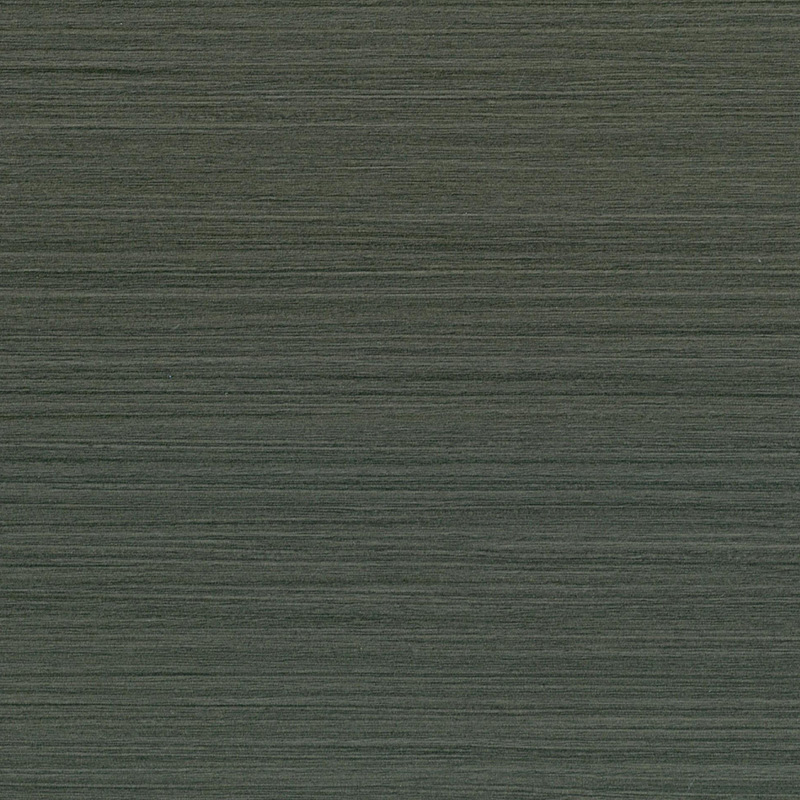
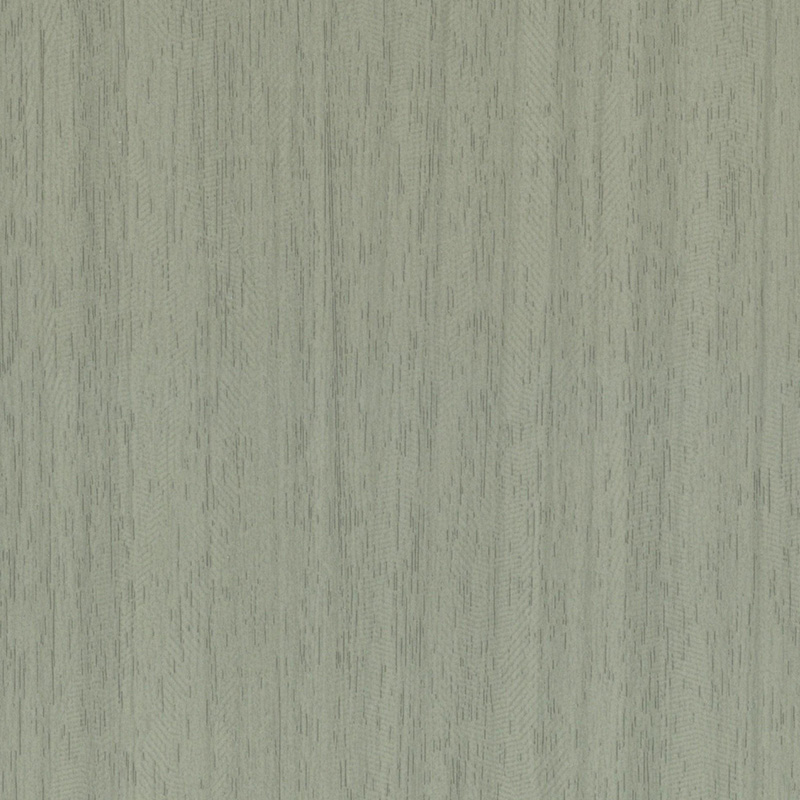
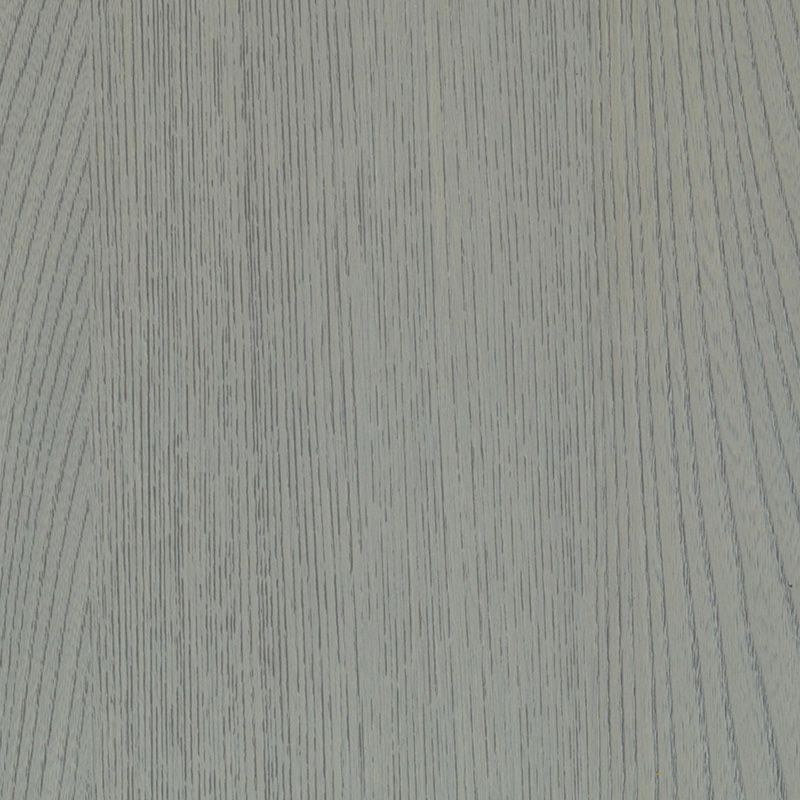
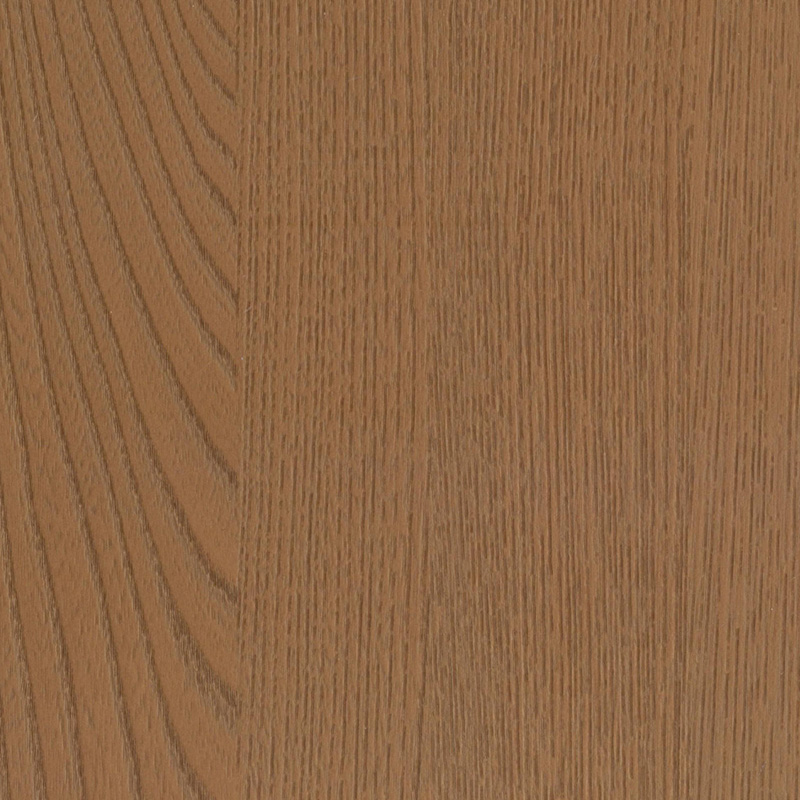
Color and pattern ranges for PVC Furniture Film include solid tones, wood-grain reproductions, and subtle abstract textures. Wood-effect versions replicate grain direction and color variation found in natural timber species commonly specified for furniture. Pattern alignment across adjacent panels remains an important consideration for large installations.
Finish levels range from low-sheen matte to higher-gloss surfaces. Matte options reduce light reflection in large installations, while glossier films create sharper visual definition on cabinet fronts and table surfaces. Selection depends on the overall project aesthetic and lighting conditions of the intended space.
Industry Applications
PVC Furniture Film appears across multiple furniture categories, including office systems, hospitality case goods, retail display units, and modular storage. Panel producers apply the film to particleboard, MDF, and plywood substrates to achieve uniform surface quality.
- Office and commercial case goods
- Hospitality furniture components
- Retail fixture panels
These applications allow manufacturers to maintain design consistency across large production runs while adapting surface appearance to different project requirements. The same film grade can often be used across several product lines, simplifying inventory management for fabricators.
Processing Methods
Application of PVC Furniture Film typically occurs through flat lamination or membrane pressing. Flat processes suit large panel volumes and deliver even adhesion across broad surfaces. Membrane systems use heat and pressure to wrap the film around edges and profiles in a single cycle.
Proper surface preparation of the substrate remains essential for secure bonding. Temperature and pressure settings are adjusted according to film thickness and adhesive type to achieve reliable results without surface distortion. Operators monitor these parameters closely to ensure consistent bonding quality throughout a production shift.
Matching Film to Project Requirements
Project teams evaluate PVC Furniture Film based on substrate compatibility, edge detail complexity, and required surface performance. Straight-edged panels pair readily with standard flat films, while more complex profiles benefit from films designed for three-dimensional wrapping.
Color coordination across multiple furniture pieces within the same project supports visual continuity. When the film aligns with specified finishes for adjacent elements such as flooring or wall panels, the overall installation presents a coherent appearance. Early coordination between design and production teams helps avoid mismatches during later assembly stages.
Role in Furniture Production
Within manufacturing environments, PVC Furniture Film contributes to streamlined surface finishing. It reduces the need for multi-step coating processes on many panel types and supports repeatable results across batch production.
When integrated into established workflows, the film helps fabricators meet design intent while maintaining production pace. A PVC Furniture Film selected with attention to processing method and project scale supports both operational goals and surface quality standards.


 No.3 Guangfu \Road, Hecun Town, Jiangshan City, Zhejiang Province, China
 +86-15700041115

Copyright © Zhejiang Jiahong Decoration Material Co., Ltd. All Rights Reserved
