
 English
 русский
 Español
 عربى
 Deutsch
Can PVC Decor Film Cover Profiled Edges?
Furniture and interior panel producers frequently need a decorative surface that delivers consistent color and pattern across large volumes of flat and lightly profiled parts. PVC decor film supplies that surface as a flexible sheet that bonds to wood-based panels, creating a finished appearance ready for assembly.
Surface Role in Panel Production
The film becomes the visible face of doors, side panels, shelves, and decorative wall elements. It covers the substrate completely, masking minor surface variations and providing a uniform look from piece to piece. PVC decor film allows manufacturers to offer multiple design options while keeping the same core panel construction, which simplifies inventory of base materials.
Once applied, the surface accepts normal indoor handling and cleaning. Production teams value the speed with which a new design can be introduced simply by changing the film roll on the lamination line.
Material Structure and Layer Composition
A typical construction includes a PVC base layer, a printed decorative layer, and an embossed or clear top surface. Pigments and stabilizers within the film help maintain color under indoor lighting conditions. PVC decor film may also carry a primer on the reverse side to improve adhesion during pressing or wrapping.
The balance between flexibility and dimensional stability matters during application. The film must conform to the panel without excessive stretching that could distort the printed pattern.
Thickness Options and Handling Properties
Films are supplied in a range of thicknesses suited to different processes. Thinner gauges work well for flat lamination on large presses, while slightly heavier films provide more opacity and a fuller feel on the finished part. PVC decor film in the appropriate thickness feeds smoothly through rollers and presses without wrinkling when tension and temperature are correctly set.
Roll width and length are chosen to match common panel sizes and press capacities, reducing waste during conversion. Consistent caliper across the width supports even bonding pressure.
Print Patterns and Surface Texture
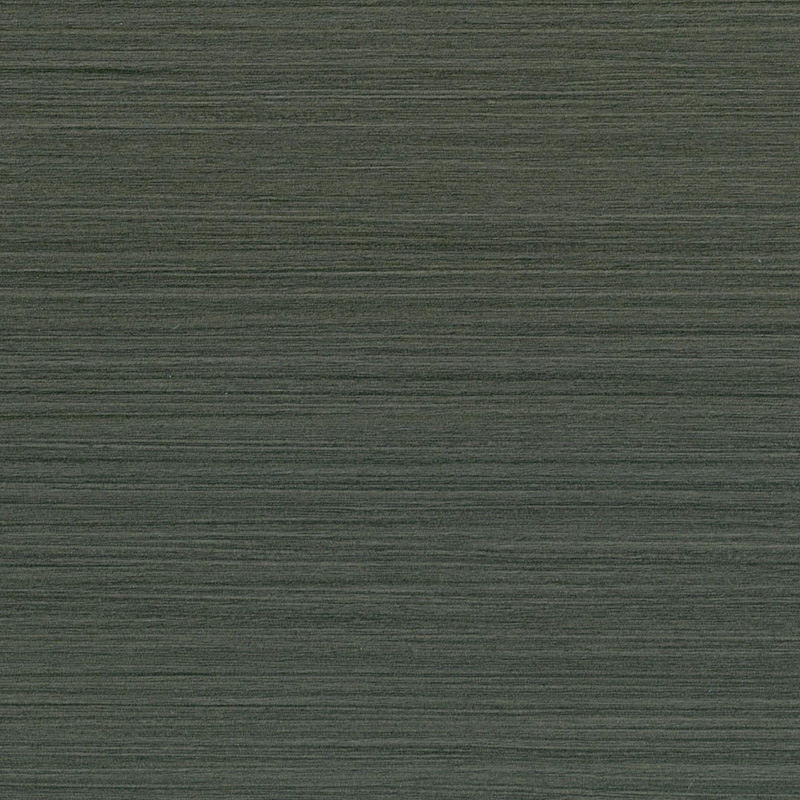
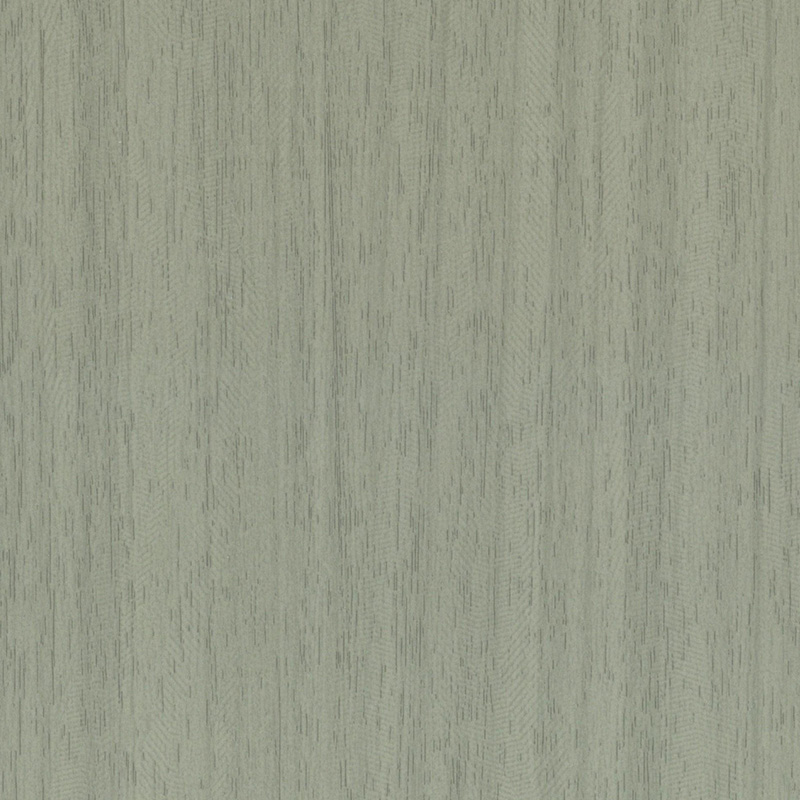
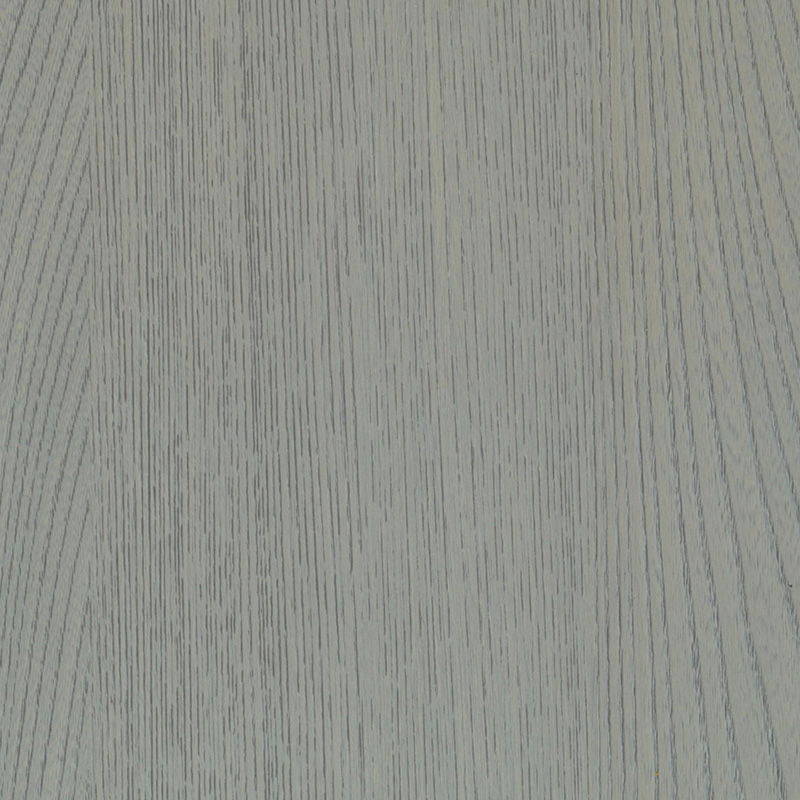
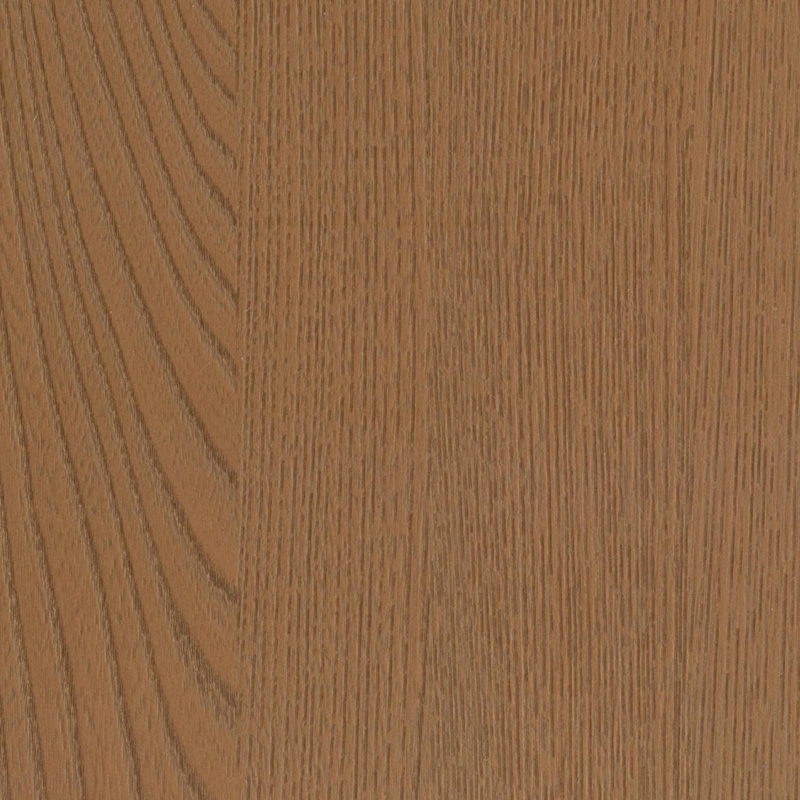
Printing technology reproduces wood grains, solid colors, stone effects, and abstract designs with fine detail. Embossing adds a tactile dimension that aligns with the printed image, creating a more realistic surface. PVC decor film benefits from precise registration between the print and the embossed texture so that grain lines and pores appear natural.
Pattern repeat consistency across the roll allows large runs of matching panels to be produced without visible shifts in design. Buyers often examine full-width samples under project lighting to confirm the visual result.
Application Methods on Flat and Profiled Parts
Flat lamination lines apply the film continuously to panel faces using heat and pressure, with adhesive either pre-coated on the film or applied to the substrate. Membrane presses handle parts with shallow profiles by using vacuum and heat to draw the film into contoured areas. PVC decor film formulated for these processes softens sufficiently to follow the shape and then stabilizes once cooled.
Edge treatments may use the same film or coordinated edge-banding materials so that the decorative surface continues around the perimeter of the part.
Use in Furniture and Interior Projects
Cabinet manufacturers apply the film to door and drawer fronts, carcass panels, and open shelving. Furniture producers use it on case goods, table tops, and decorative elements where a durable, design-flexible surface is needed. Wall-panel systems and closet interiors likewise incorporate PVC decor film to achieve coordinated finishes across an installation.
When the film's thickness, pattern fidelity, and bonding characteristics align with the factory's equipment and the project's design requirements, it functions as a practical surface solution. Buyers who assess these functional points alongside design availability tend to select materials that integrate efficiently into their existing production flows.


 No.3 Guangfu \Road, Hecun Town, Jiangshan City, Zhejiang Province, China
 +86-15700041115

Copyright © Zhejiang Jiahong Decoration Material Co., Ltd. All Rights Reserved
