
 English
 русский
 Español
 عربى
 Deutsch
How Is PVC Film Manufactured for Different Uses?
Flexible plastic materials play an important role in packaging, construction, furniture manufacturing, printing, and surface decoration. Among these materials, PVC-based products are widely used because their physical properties can be adjusted for different industrial applications. PVC Film is one example, offering a combination of flexibility, surface versatility, and adaptable thickness for manufacturers serving different market segments.
What Makes PVC Film Different?
PVC film is manufactured from polyvinyl chloride resin combined with selected additives. Its final properties depend on the formulation, processing method, and intended application.
Plasticizers may be added to improve flexibility, while stabilizers and processing additives help achieve the required material characteristics during production. Different formulations can create films ranging from relatively rigid sheets to soft and flexible rolls.
Thickness, transparency, color, surface texture, and flexibility are important product characteristics. Some films are transparent and designed to display the contents of packaging, while others feature solid colors, printed patterns, or decorative finishes.
A PVC Film product can also be manufactured with different surface treatments to support printing, lamination, embossing, and other downstream processes. This adaptability makes it relevant to several industrial supply chains.
How Is PVC Film Manufactured?
The production process generally begins with raw material formulation. PVC resin and selected additives are mixed according to the required product specifications. The formulation influences the film's flexibility, appearance, and processing behavior.
Two common manufacturing methods are calendering and extrusion.
Calendering Process
In calendering, the prepared PVC compound passes through a series of heated rollers. The rollers gradually shape the material into a continuous sheet with controlled thickness. Adjusting roller gaps and processing conditions helps manufacturers produce films for different applications.
This method is frequently used for decorative films, flexible sheets, and other products requiring specific surface characteristics.
Extrusion Process
During extrusion, the PVC compound is heated and softened before being pushed through a die. The material then forms a continuous film or sheet. Depending on the equipment configuration, the resulting product can be adjusted in thickness and width.
After forming, the film passes through cooling, surface treatment, and winding stages. The finished rolls can then be prepared for printing, converting, or other industrial processes.
Thickness, Flexibility, and Surface Finishes
Different applications require different film specifications. Thickness is one of the primary factors affecting product structure and handling characteristics. Thin films are commonly used in flexible packaging and wrapping applications, while thicker sheets may be selected for decorative surfaces and industrial covering materials.
Flexibility is another important characteristic. Soft PVC formulations can be suitable for products that need to bend or conform to different shapes. More rigid formulations are used where dimensional structure is required.
Surface finish also influences how the material is used. Common options include:
- Glossy finish: Creates a reflective surface for decorative applications.
- Matte finish: Provides a low-reflection appearance.
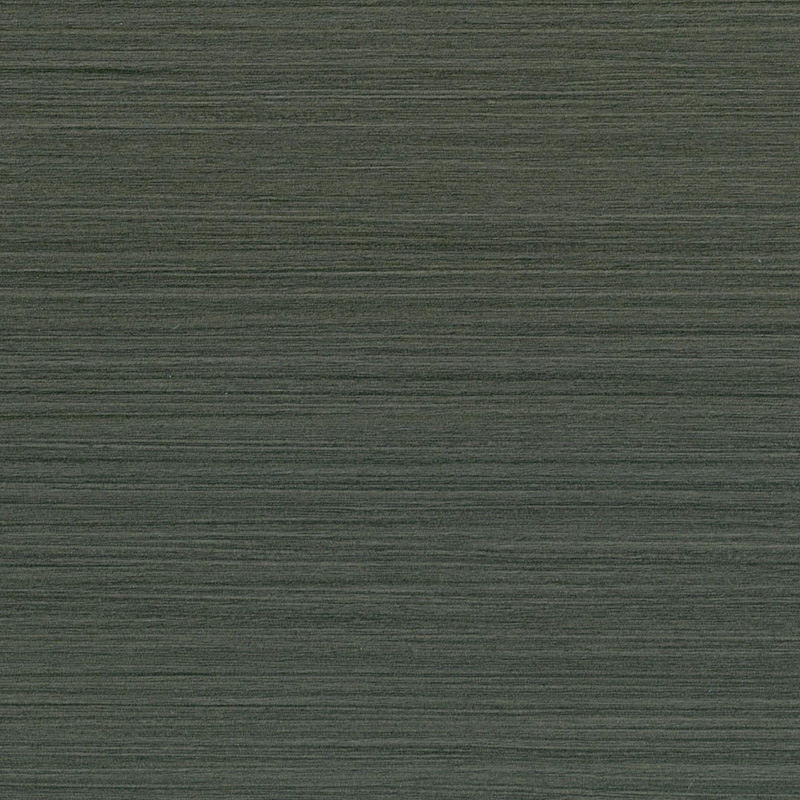
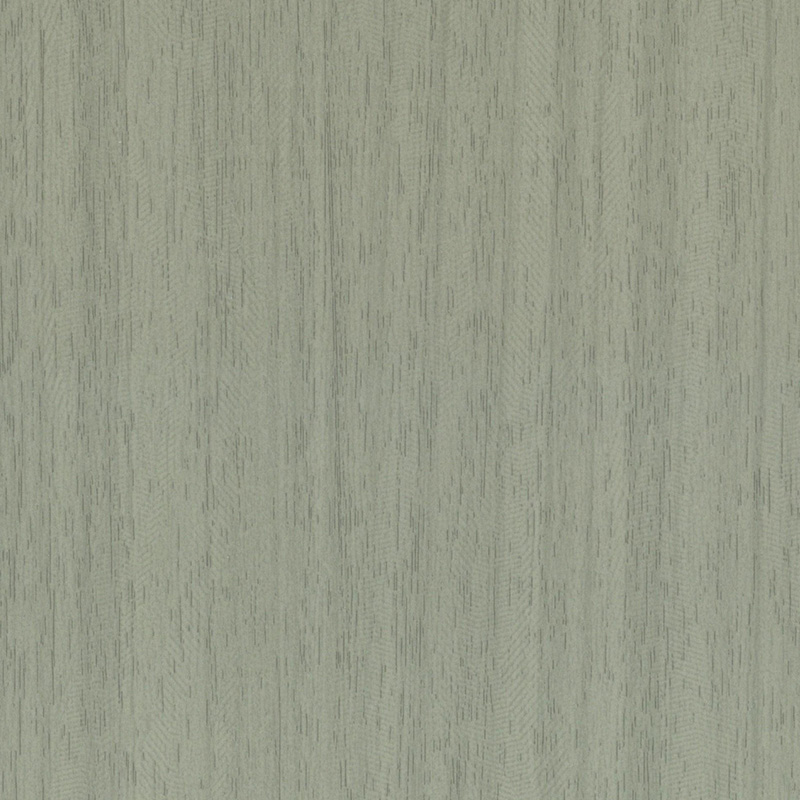
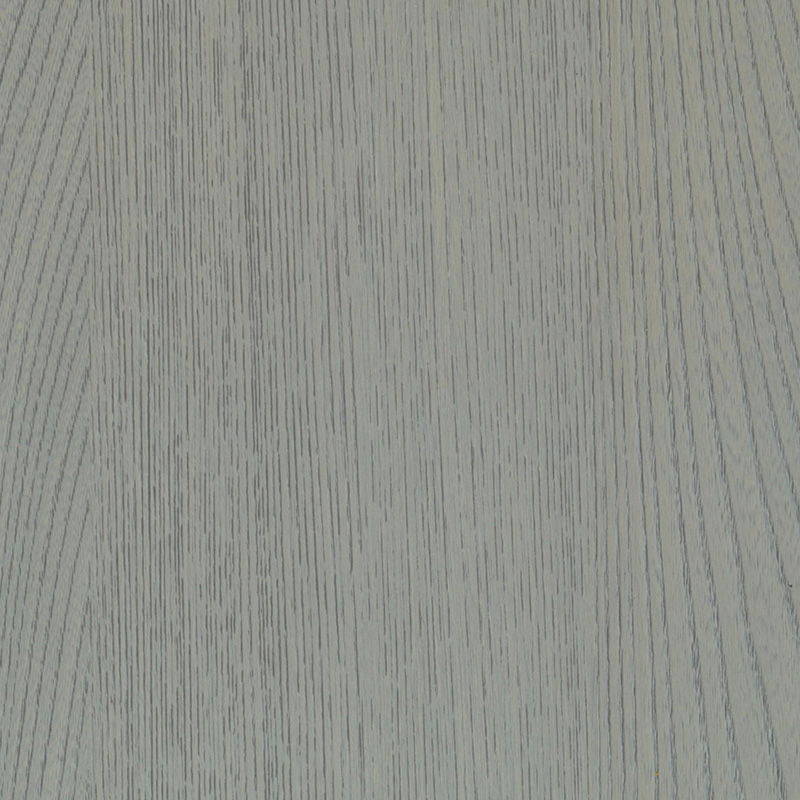
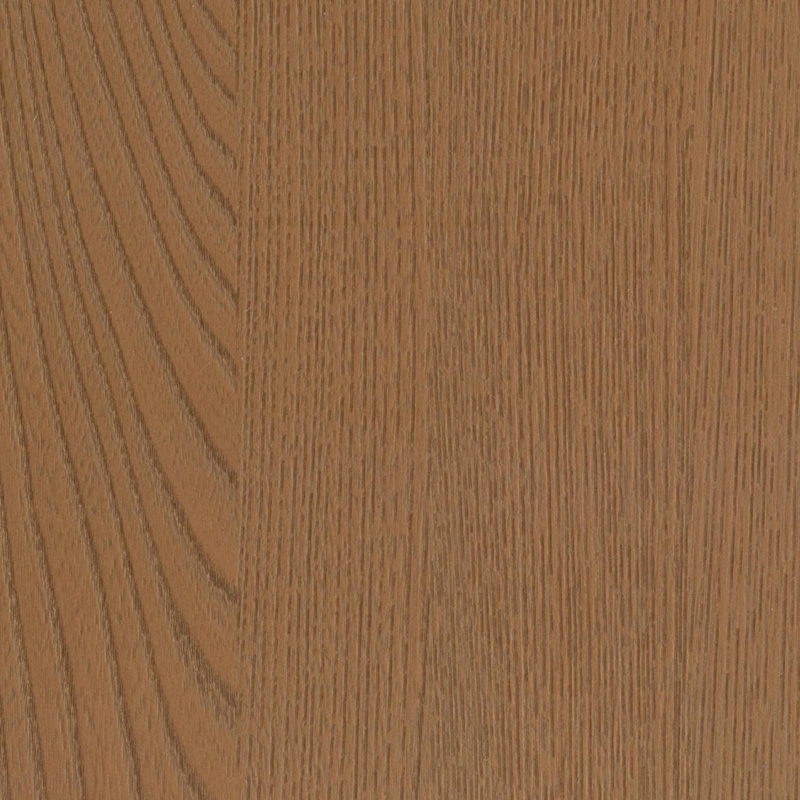
- Embossed finish: Adds texture and visual depth.
- Transparent finish: Allows visibility through the material.
- Printed finish: Incorporates patterns, graphics, or brand-related designs.
These options allow manufacturers to develop PVC Film products for different customer requirements without relying on a single appearance or specification.
Customization for Industrial Buyers
For B2B buyers, customization is an important part of sourcing flexible film materials. Manufacturers may offer different roll widths, thicknesses, colors, transparency levels, and surface patterns.
Private-label projects can also involve customized printing, embossed textures, and packaging specifications. Furniture manufacturers may focus on decorative patterns and surface appearance, while packaging companies may prioritize transparency, flexibility, and converting requirements.
When discussing a PVC Film project with a supplier, buyers can provide information about the intended application, processing equipment, required dimensions, and desired surface finish. This helps manufacturers determine an appropriate material formulation and production configuration.


 No.3 Guangfu \Road, Hecun Town, Jiangshan City, Zhejiang Province, China
 +86-15700041115

Copyright © Zhejiang Jiahong Decoration Material Co., Ltd. All Rights Reserved
