
 English
 русский
 Español
 عربى
 Deutsch
PVC Film For Door Adhesion and Process Details
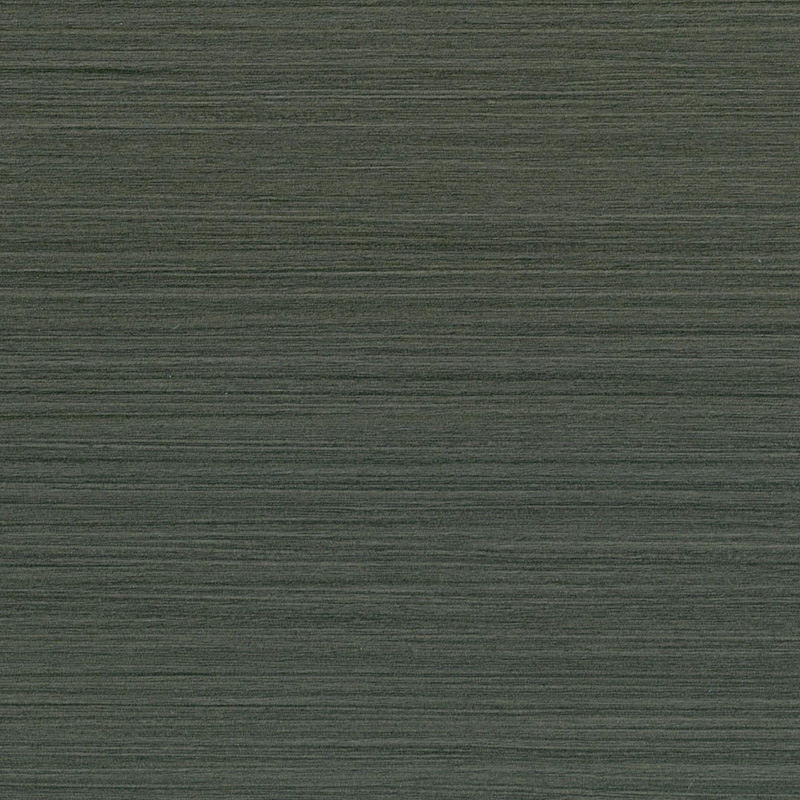
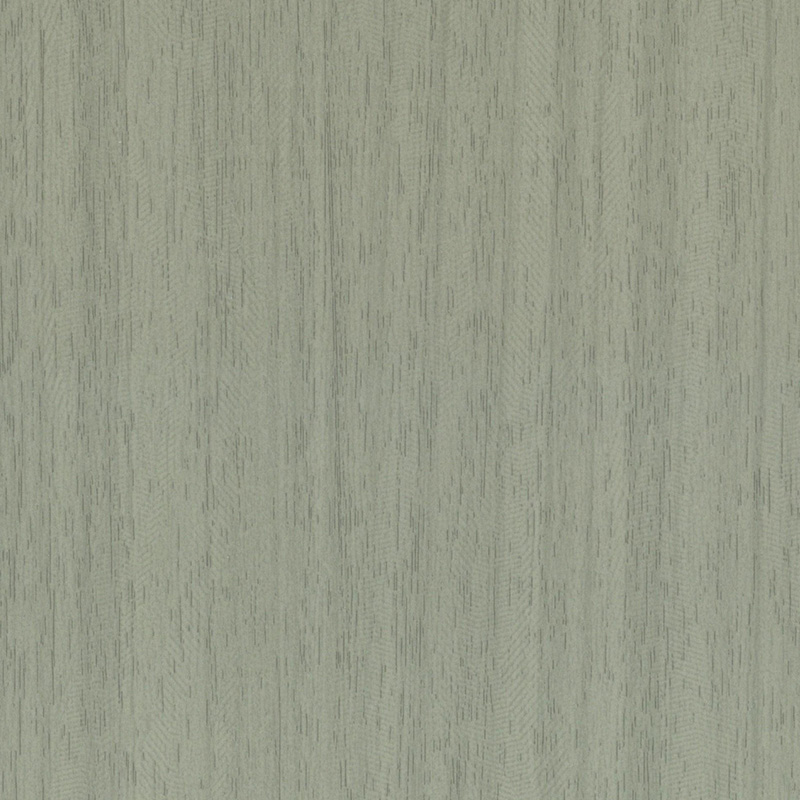
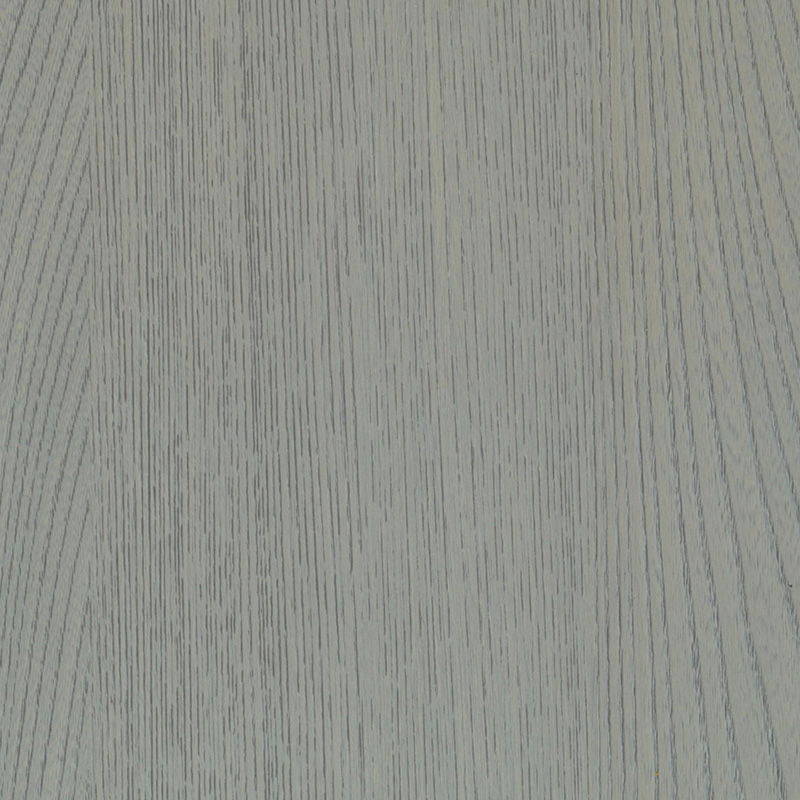
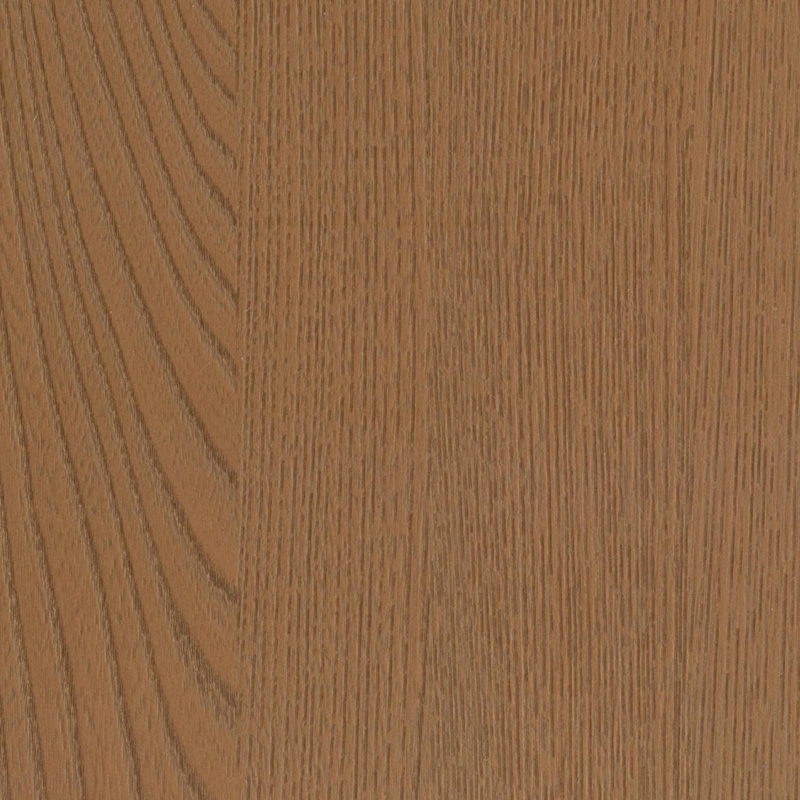
Interior door producers and furniture manufacturers often need a surface material that delivers consistent color and texture across flat and profiled panels. PVC film for door applications provides a decorative layer that bonds to MDF, particleboard, or other substrates, creating a finished appearance without solid wood veneer.
Surface Coverage Role in Door Manufacturing
The film covers the visible faces and edges of door leaves, giving a uniform look that can imitate wood grain, solid color, or abstract patterns. Once applied, it protects the substrate from minor surface wear and provides a wipeable finish suitable for residential and light commercial interiors. PVC film for door use appears on both flush doors and raised-panel designs where the material must follow contours without bridging or tearing.
Production teams value the ability to change surface designs by switching film rolls rather than altering the core panel construction. This flexibility helps manufacturers offer multiple visual options from the same base door construction.
Material Composition and Film Structure
PVC film for door applications typically consists of a polyvinyl chloride layer that may include stabilizers, pigments, and plasticizers to achieve the required flexibility and color stability. A printed layer carries the decorative pattern, while an embossed surface adds tactile depth that mimics natural materials. Some films incorporate a clear top wear layer that increases resistance to scuffs during handling and installation.
The reverse side often receives a primer or adhesive-receptive coating so that the film bonds reliably during membrane pressing or vacuum forming. Consistent caliper across the roll width supports even pressure distribution in the press.
Thickness and Flexibility Characteristics
Available thicknesses commonly range from thinner gauge films suited to flat lamination up to heavier options that better conform to deep profiles and routed details. Flexibility allows the material to stretch slightly over raised moldings and return to shape without whitening or cracking at the edges. PVC film for door panels must balance this stretch with enough body to avoid showing substrate imperfections.
Operators select thickness according to the depth of the door profile and the type of press equipment in use. Thicker films generally provide a more substantial feel on the finished surface while still remaining workable in standard membrane presses.
Compatibility with Different Substrates
MDF is a common core because of its smooth surface and dimensional stability, yet particleboard and certain plywood grades also accept the film when properly prepared. Surface sanding and moisture content control on the substrate influence bond quality. PVC film for door use performs reliably when the panel face is clean, uniform, and within the moisture range recommended for the adhesive system.
Adhesive type—whether pre-applied on the film or sprayed on the panel—must match both the film chemistry and the press conditions. Testing small batches helps confirm compatibility before full production runs.
Use Across Interior Door Projects
Residential door programs, multi-family housing packages, and hospitality renovations all employ film-surfaced doors for their design consistency and efficient production. The same PVC film for door applications can appear on matching closet doors, wardrobe panels, and related millwork, creating visual continuity within a unit or building. Manufacturers appreciate the ability to stock core panels in limited sizes and apply different films according to order requirements.
When the film's thickness, texture, and bonding characteristics align with the factory's press capability and the project's design intent, it becomes a practical surface solution. Buyers who evaluate these functional attributes alongside pattern availability tend to select materials that integrate smoothly into their existing door production sequences.


 No.3 Guangfu \Road, Hecun Town, Jiangshan City, Zhejiang Province, China
 +86-15700041115

Copyright © Zhejiang Jiahong Decoration Material Co., Ltd. All Rights Reserved
