
 English
 русский
 Español
 عربى
 Deutsch
PVC Decorative Film Brings New Texture Options to Furniture
Decorative surfaces play an important role in furniture and interior material manufacturing. From wood-grain cabinet doors to stone-pattern wall panels, manufacturers use different surface materials to create visual variations across product collections. Among these materials, PVC Decorative Film offers a flexible way to combine printed designs, surface textures, and functional coating layers.
For furniture manufacturers, decorative panel suppliers, and building material distributors, understanding how this film is produced helps explain its suitability for different substrates and surface applications.
What Makes PVC Film Suitable for Decorative Surfaces?
PVC, or polyvinyl chloride, is a thermoplastic material that can be processed into thin films with different thicknesses, colors, and surface finishes.
Its processing characteristics allow manufacturers to develop films for flat panels, furniture components, and interior decorative products. Depending on the formulation and production requirements, the material can be adjusted to achieve different levels of flexibility, surface appearance, and thickness.
A PVC Decorative Film can feature a variety of visual effects, including:
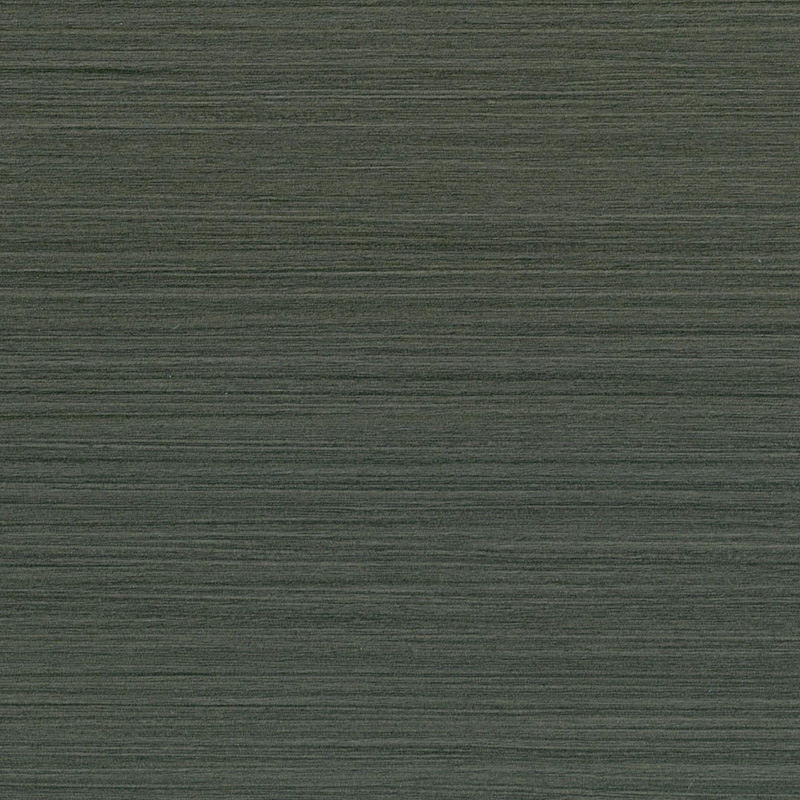
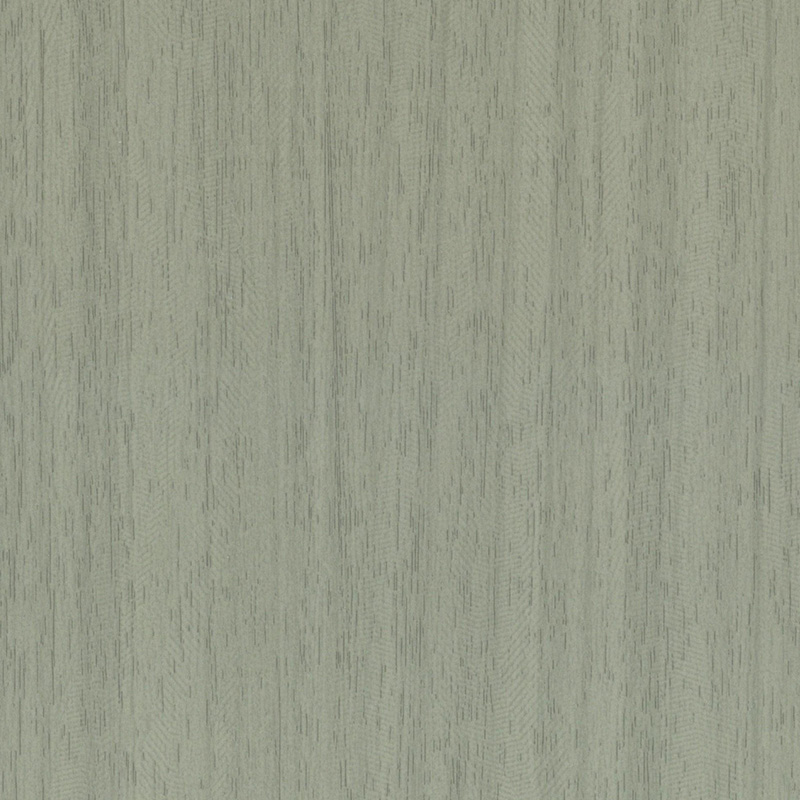
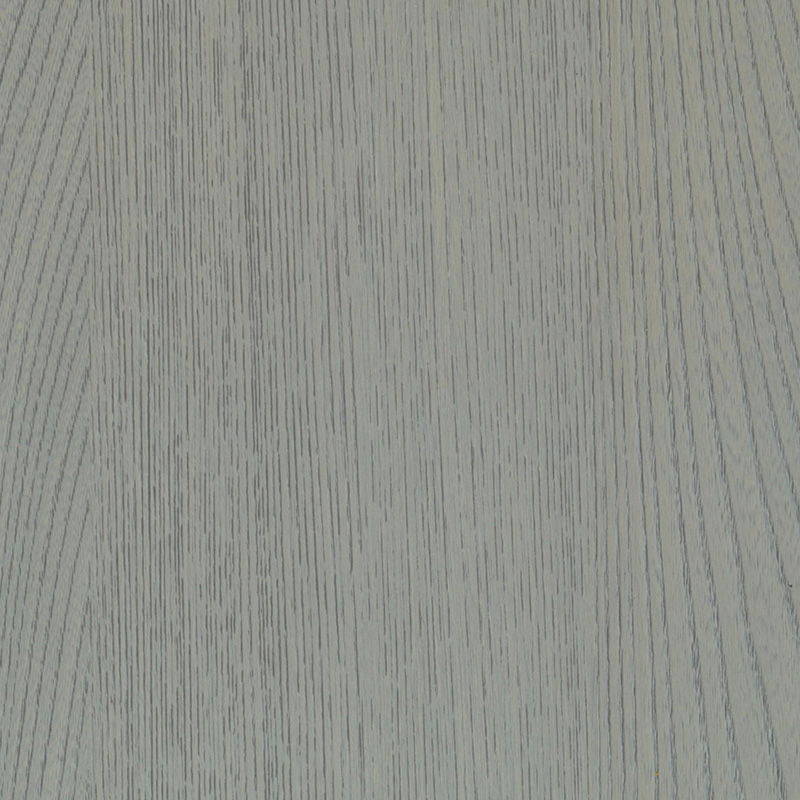
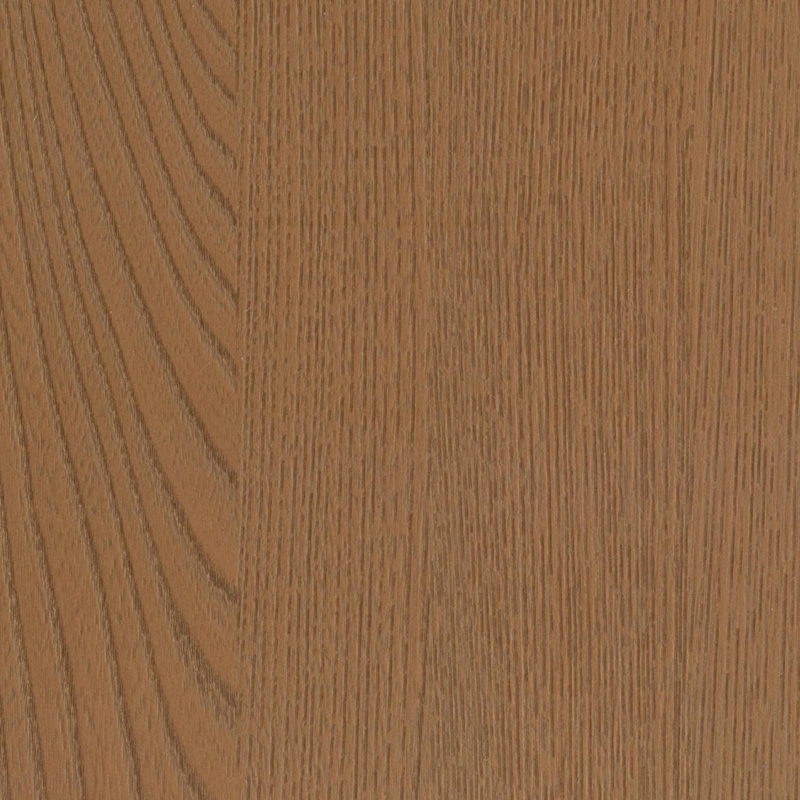
- Wood grain: Reproduces the appearance of oak, walnut, ash, and other wood patterns.
- Stone patterns: Creates marble-inspired and other mineral-style surface designs.
- Solid colors: Provides consistent color options for modern furniture collections.
- Textured finishes: Adds tactile details through embossing and surface processing.
These design options allow furniture brands to develop different product styles using similar panel substrates.
Printing Creates Different Decorative Patterns
Printing is an important stage in decorative film manufacturing. It transfers visual patterns onto the film surface or designated printing layer, depending on the production structure.
Before printing, manufacturers prepare the design artwork and select suitable printing colors. Pattern alignment and color combinations influence the appearance of the finished material.
Rotogravure printing is commonly used in decorative film production. It uses engraved cylinders to transfer ink onto the film, making it suitable for producing continuous patterns and repeated decorative designs.
Wood-grain patterns require particular attention to visual details. Differences in grain direction, color variation, and pattern distribution can change the appearance of the finished furniture panel.
For manufacturers supplying different furniture collections, printing technology provides flexibility in developing customized decorative designs.
Embossing Adds Texture to the Film Surface
A printed pattern creates visual details, but surface texture adds another dimension to the finished material.
Embossing is a process used to create raised or recessed patterns on the film. A patterned roller or embossing component applies pressure to the material, forming a specific surface texture.
Common embossing styles include:
- Fine wood-grain textures.
- Deep natural wood patterns.
- Stone-inspired surface details.
- Matte and textured finishes.
When the printed pattern and embossed texture are coordinated, the surface can create a more dimensional appearance.
This combination is particularly useful for furniture panels where buyers want both visual consistency and a specific tactile effect.
Where Is Decorative Film Used in Furniture Manufacturing?
PVC Decorative film is used across several furniture and interior material categories. Its application depends on the substrate, product structure, and selected bonding or lamination process.
Typical applications include:
- Kitchen cabinet panels: Wood-grain and solid-color finishes for cabinet doors and decorative surfaces.
- Wardrobe components: Decorative finishes for door panels and furniture boards.
- Wall panels: Surface designs for interior decorative panel systems.
- Office furniture: Different colors and textures for desks, storage units, and cabinet surfaces.
- Display furniture: Customized patterns for commercial interiors and retail display structures.
For panel manufacturers, the selected film needs to correspond with the substrate material and processing equipment. Different applications may involve MDF, particleboard, or other suitable panel materials.


 No.3 Guangfu \Road, Hecun Town, Jiangshan City, Zhejiang Province, China
 +86-15700041115

Copyright © Zhejiang Jiahong Decoration Material Co., Ltd. All Rights Reserved
