
 English
 русский
 Español
 عربى
 Deutsch
How PVC Decor Film Enhances Surfaces?
Interior designers and furniture producers regularly seek materials that deliver consistent surface quality while supporting efficient production schedules. One option that continues to appear in project specifications is PVC Decor Film. This thin, flexible layer provides decorative patterns and protective qualities for a wide range of substrates.
Material Composition and Surface Characteristics
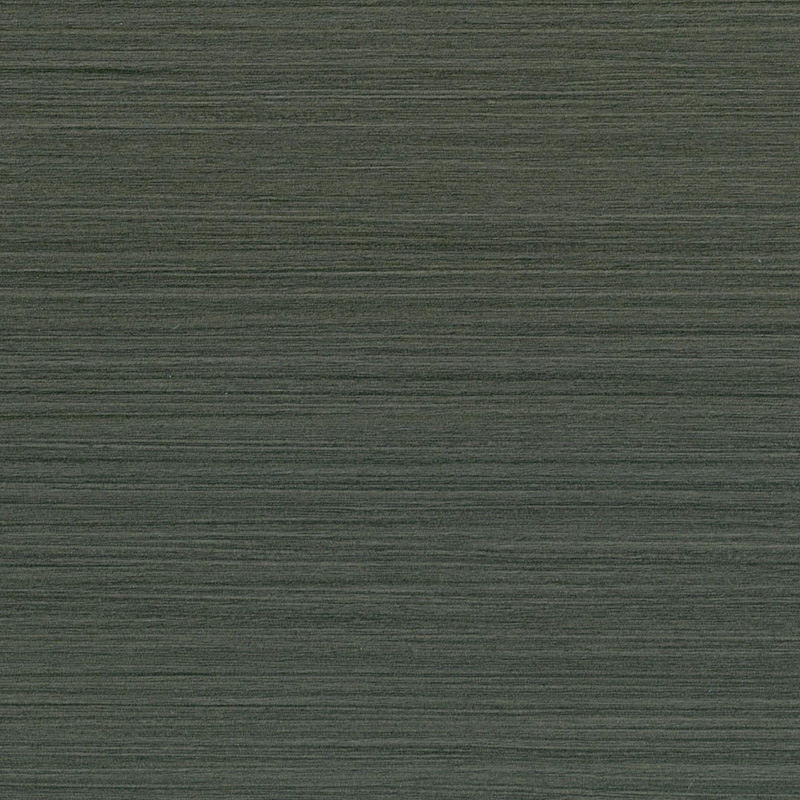
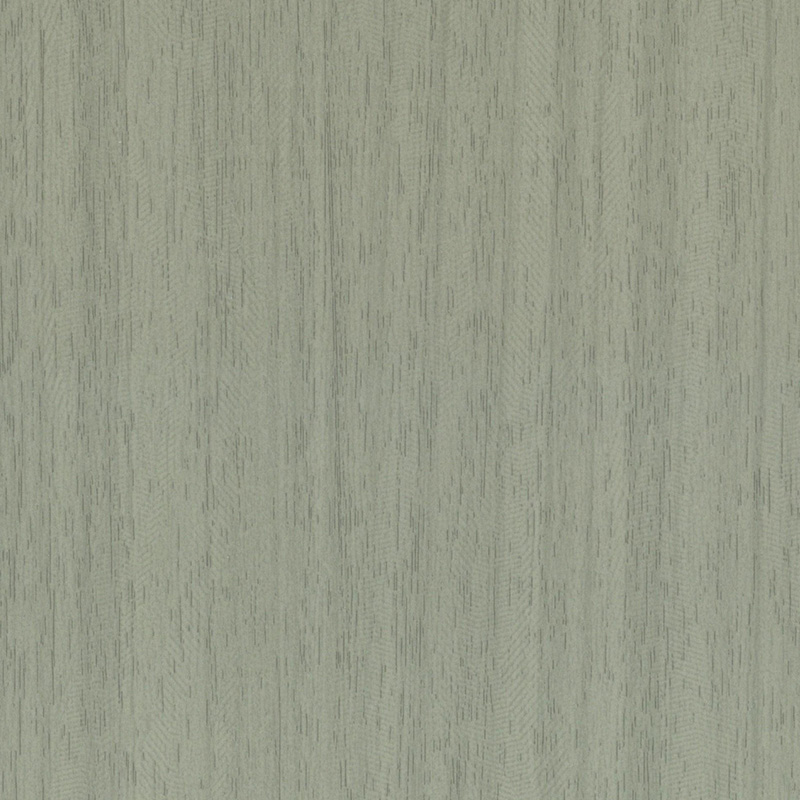
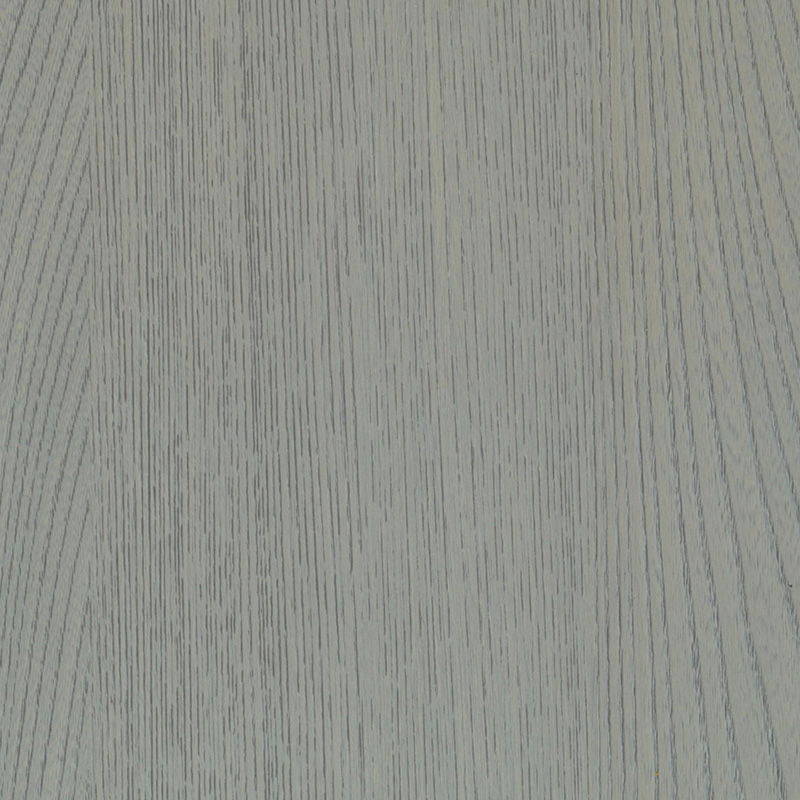
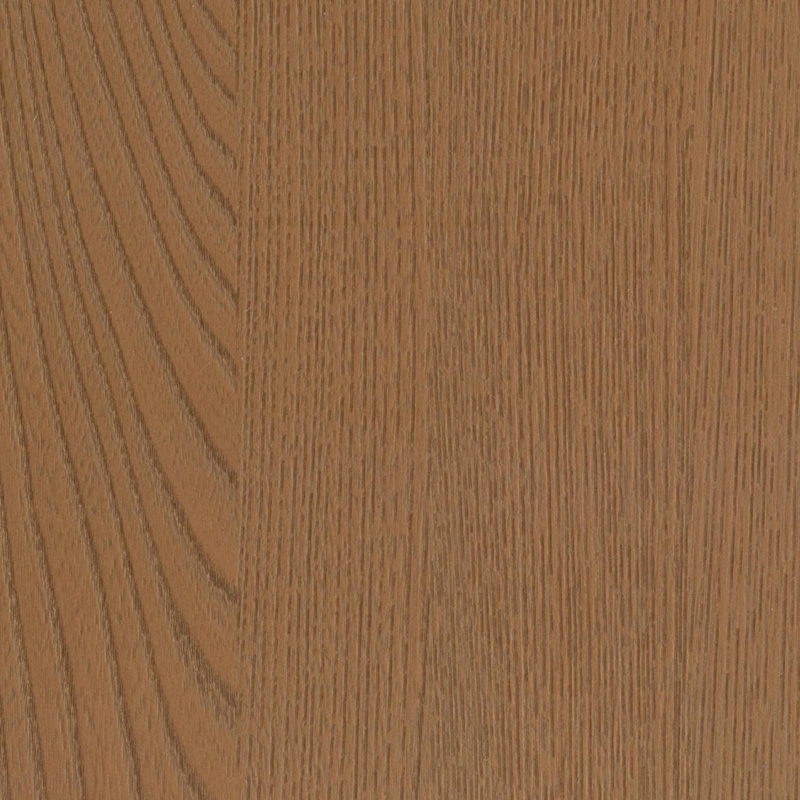
PVC Decor Film consists of a polyvinyl chloride base combined with specialized coatings and printed designs. Manufacturers apply multiple layers to create depth, texture, and color consistency. The film surface can replicate wood grain, stone, fabric, or solid colors with high visual accuracy. Embossing techniques further enhance tactile realism, giving finished panels a more authentic appearance.
Thickness typically ranges from a few tenths of a millimeter to slightly thicker options suited for high-wear zones. The material remains flexible enough to wrap around curved edges yet stable enough to resist stretching during application.
Role in Furniture and Cabinetry Production
Furniture factories and cabinetry workshops frequently incorporate PVC Decor Film into their finishing lines. Flat panels, doors, drawer fronts, and molded components receive the film through membrane presses, vacuum formers, or roller systems. The process bonds the film tightly to particleboard, MDF, or plywood substrates, creating a uniform surface that requires minimal additional finishing.
In high-volume production, automated equipment applies the film at controlled temperatures and pressures. This approach shortens cycle times compared with traditional veneering or painting sequences. Operators can switch between different designs by simply changing film rolls, which supports rapid response to changing order requirements.
Design Flexibility Across Projects
Architects and interior specialists value the broad pattern library available with PVC Decor Film. Wood species replicas, abstract textures, metallic effects, and solid tones allow one material system to serve multiple aesthetic directions. Color matching services help align film selections with existing material palettes in commercial or residential projects.
The film also accommodates both matte and gloss finishes. Matte surfaces reduce glare in office environments, while higher-gloss options suit retail displays or feature walls. Custom printing capabilities further expand the range of possible designs for branded or signature interiors.
Performance in Daily Use Environments
A well-applied PVC Decor Film resists common household and commercial stresses. The surface layer provides moderate protection against scratches, moisture, and staining from everyday contact. In kitchens and bathrooms, the film maintains its appearance under humidity fluctuations when properly installed on sealed substrates.
Commercial installations such as hotel corridors, office partitions, and retail fixtures benefit from the film’s ability to withstand frequent cleaning. The smooth surface cleans easily with standard methods, supporting consistent upkeep without specialized products.
Application Techniques and Substrate Compatibility
Successful results depend on proper substrate preparation and film selection. Substrates must be clean, dry, and free of defects. Primer coats improve adhesion on certain board types. Membrane pressing remains a common method for three-dimensional components, while flat lamination suits large panel runs.
Edge banding often pairs with the same PVC Decor Film series so that all visible surfaces maintain visual continuity. Trimming and finishing steps remove excess material and create clean joints. When these steps follow recommended parameters, the finished piece presents a continuous decorative surface.


 No.3 Guangfu \Road, Hecun Town, Jiangshan City, Zhejiang Province, China
 +86-15700041115

Copyright © Zhejiang Jiahong Decoration Material Co., Ltd. All Rights Reserved
