
 English
 русский
 Español
 عربى
عربى Deutsch
Decorative PVC Film Brings Surfaces to Life
Walk through any furniture showroom or kitchen display and there's a reasonable chance that a good portion of what looks like wood, marble, or brushed metal is actually PVC film. It's been doing that job for a long time now, and the manufacturing and interior design industries have built a lot of their mid-range and entry-level product lines around it. Understanding what decorative PVC film actually is, how it's made, and where it fits helps buyers, fabricators, and designers make smarter decisions about when to use it and what to expect from it.
The materials it gets applied to are just as varied as the film itself. Decorative PVC film bonds to:
- MDF and particleboard — the common substrate in furniture manufacturing, where the film gets laminated under heat and pressure or applied with adhesive
- PVC profiles and skirting boards — wrapped using automated profile wrapping machinery that pulls the film tightly around complex cross-sections
- Doors and cabinet fronts — either flat laminated or membrane pressed into routed profiles for a three-dimensional surface effect
- Wall panels and ceiling tiles — bonded to rigid backing boards for interior cladding applications
- Aluminum and steel profiles — used in window frames, door frames, and architectural trims where a wood-look finish is wanted without the weight or cost of solid timber
Thickness varies by application. Films used for flat lamination on furniture panels typically run between 0.12mm and 0.25mm. Thicker films in the 0.3mm to 0.5mm range are used for profile wrapping and membrane pressing, where the material needs to stretch and conform around curves and routed edges without cracking or showing stress marks. Getting the thickness wrong for the application is one of the more common sourcing mistakes — a film that works well on flat panels may split or show witness lines when wrapped around a tight radius.
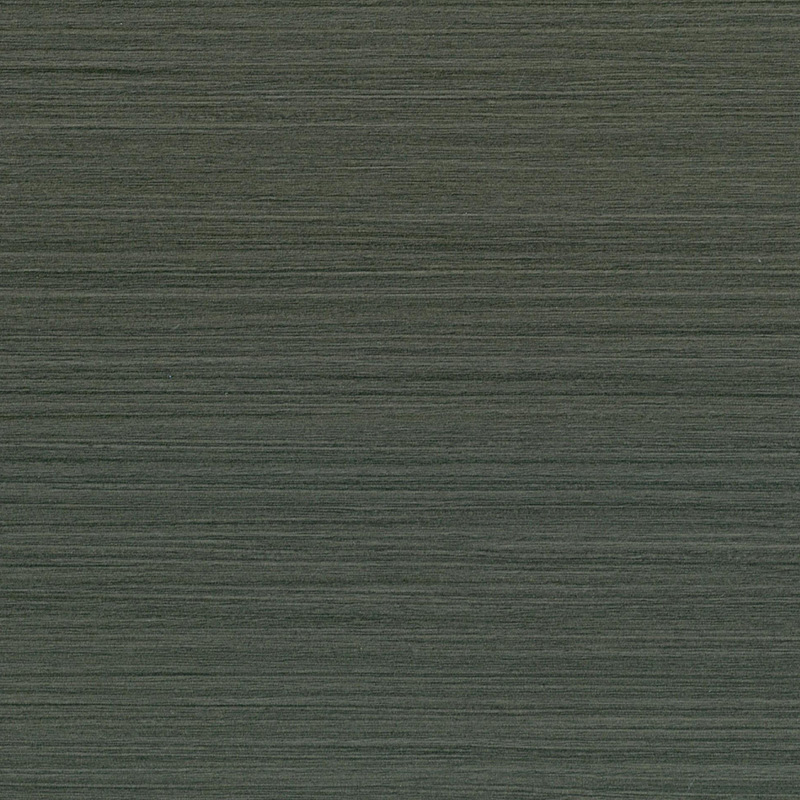
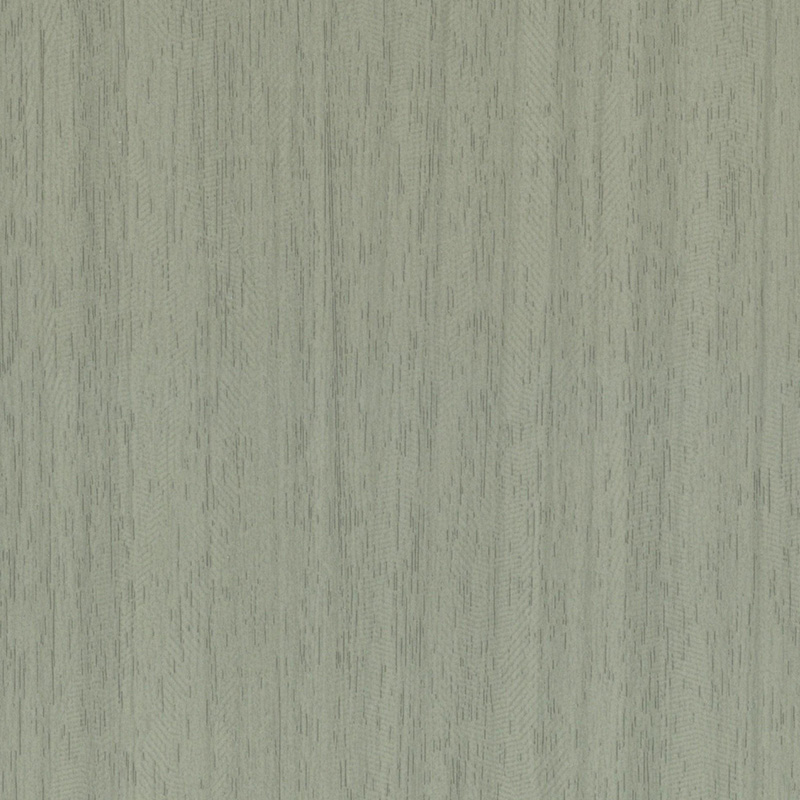
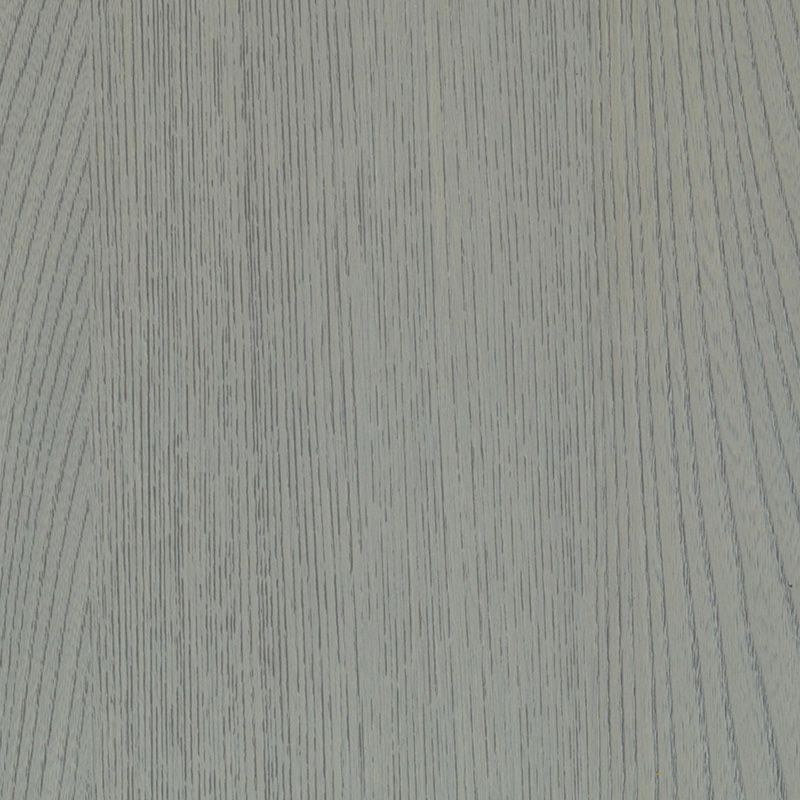
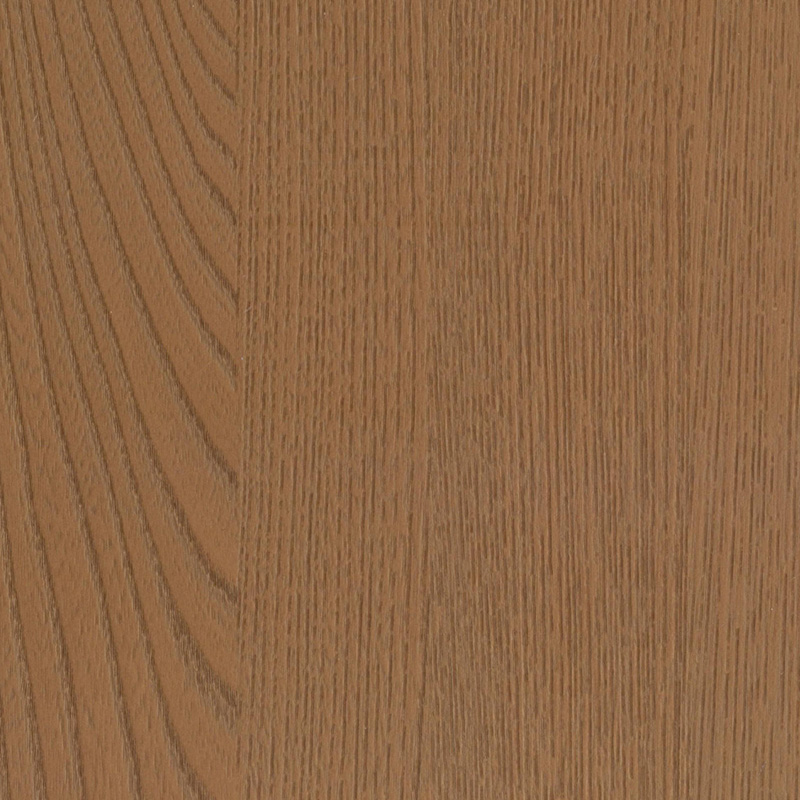
Print technology has moved considerably in recent years. Gravure printing remains the standard for high-volume decorative film production because it delivers consistent color depth and fine detail across long runs. The wood grain and stone patterns produced by modern gravure printing sit very close to photographic quality when combined with matching emboss textures. Some manufacturers also offer digitally printed films for shorter runs or custom designs, though the cost per meter is higher and the color gamut behaves differently under surface coatings.
Color and pattern consistency across batches matters more than buyers sometimes realize. Decorative film is produced in large print runs, and while color management has improved, there are still measurable differences between production batches. For large projects — a full apartment fit-out, a run of kitchen cabinets, a commercial interior — it's worth confirming that sufficient stock from a single batch is available before committing to a specification. Mixing batches on visible surfaces almost always shows under certain lighting conditions.
Sourcing decorative PVC film comes down to matching the right film specification to the substrate, the application method, and the end-use environment. A film that performs well in a residential wardrobe won't necessarily hold up on a commercial countertop edge. Asking the right questions about thickness, surface hardness, adhesive system, and print batch availability before placing an order saves a lot of difficult conversations later.


 No.3 Guangfu \Road, Hecun Town, Jiangshan City, Zhejiang Province, China
 +86-15700041115

Copyright © Zhejiang Jiahong Decoration Material Co., Ltd. All Rights Reserved
