
 English
 русский
 Español
 عربى
عربى Deutsch
How Does PVC Furniture Film Stay Durable?
PVC furniture film delivers a practical covering option for enhancing the appearance and durability of furniture surfaces. Manufacturers apply this film to wood-based panels, doors, and cabinetry to create consistent finishes that simulate natural materials or introduce decorative patterns. The material supports high-volume production lines in the furniture industry by offering uniform coverage and efficient processing characteristics.
Material Properties of PVC Furniture Film
PVC furniture film starts with polyvinyl chloride layers mixed with plasticizers and stabilizers to hit a specific balance between flexibility and adhesion. That formulation isn't arbitrary — get it wrong and the film either tears during application or refuses to bond cleanly to the substrate. Thickness is calibrated with the same logic in mind, since a film that's too thin offers little surface protection while one that's too heavy becomes difficult to work with on profiled edges and contoured components.
What makes the material genuinely useful in furniture production is how well it takes decoration. Printing and embossing can be applied to replicate wood grains, stone textures, or flat solid colors with a level of consistency that natural veneers simply can't match across high production volumes. When it comes to application, the film conforms to substrate contours — flat panels, shaped edges, routed profiles — without the stretching or wrinkling that would compromise the finished appearance.
Manufacturing Processes for PVC Furniture Film
Facilities producing PVC furniture film utilize extrusion and calendering methods to form continuous rolls with controlled width and gauge. Additives incorporated during production influence color stability and surface hardness suited to furniture applications. Quality steps in the manufacturing sequence include monitoring for uniformity and defect-free surfaces before winding onto spools. These processes yield PVC furniture film that integrates with standard lamination equipment used by furniture makers around the world.
Applications Across Furniture Categories
Cabinet manufacturers apply PVC furniture film to kitchen and bathroom units where surfaces encounter daily use. Bedroom furniture lines incorporate the film on drawer fronts and wardrobe doors to achieve coordinated looks. Office desks and shelving systems benefit from PVC furniture film coverings that provide a smooth finish resistant to general wear. The material also appears in commercial furniture such as hotel furnishings and retail displays, where consistent appearance across multiple units supports design schemes.
Design and Finish Options in PVC Furniture Film
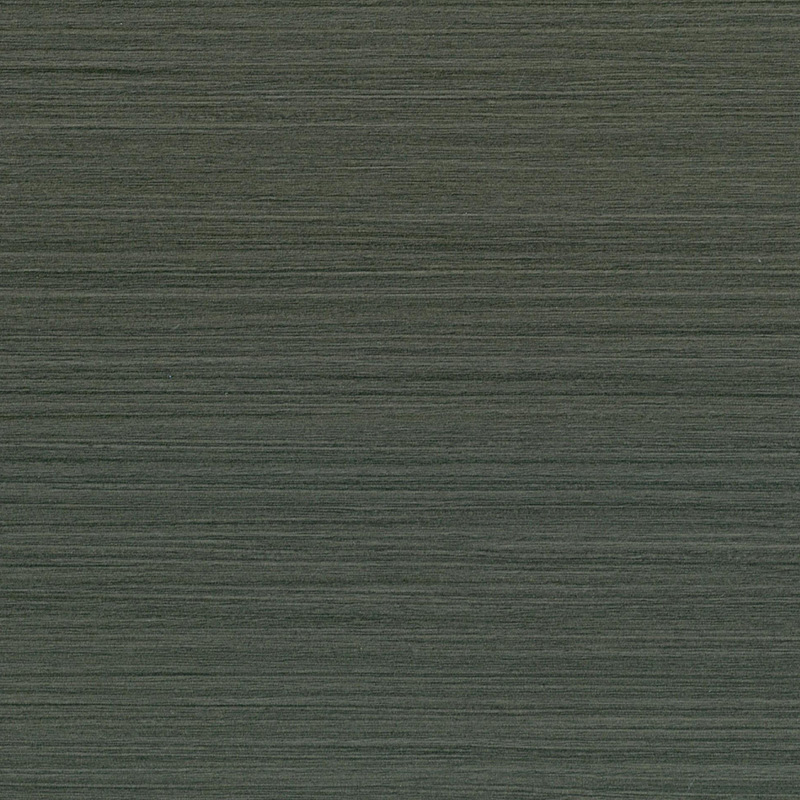
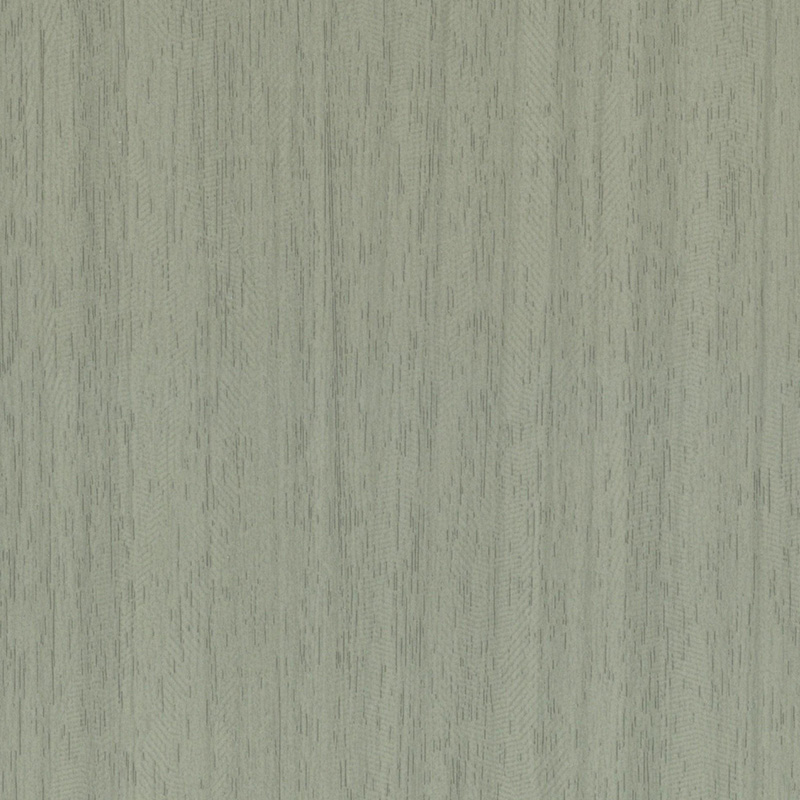
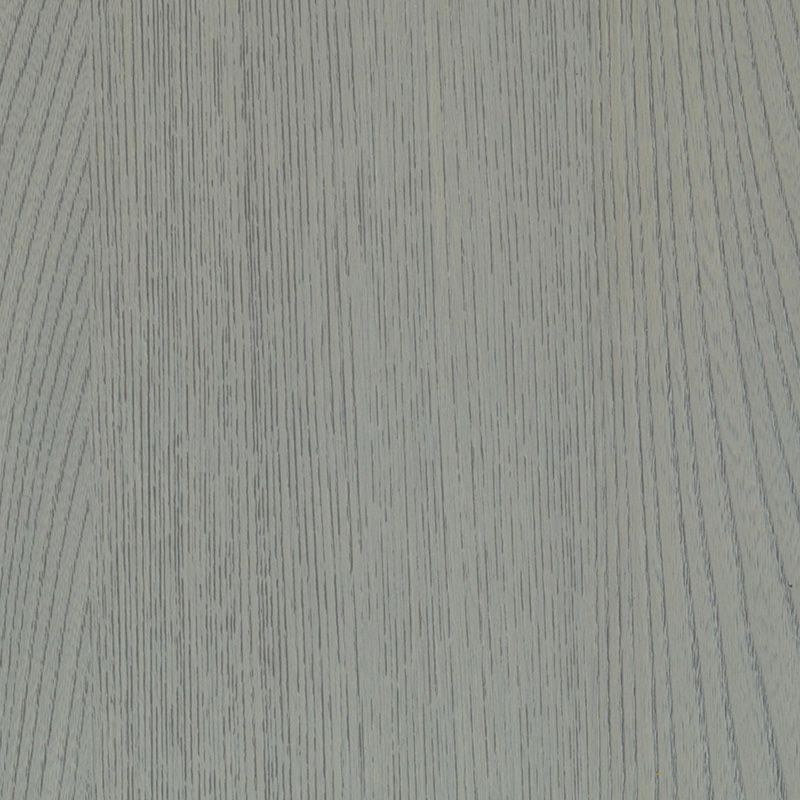
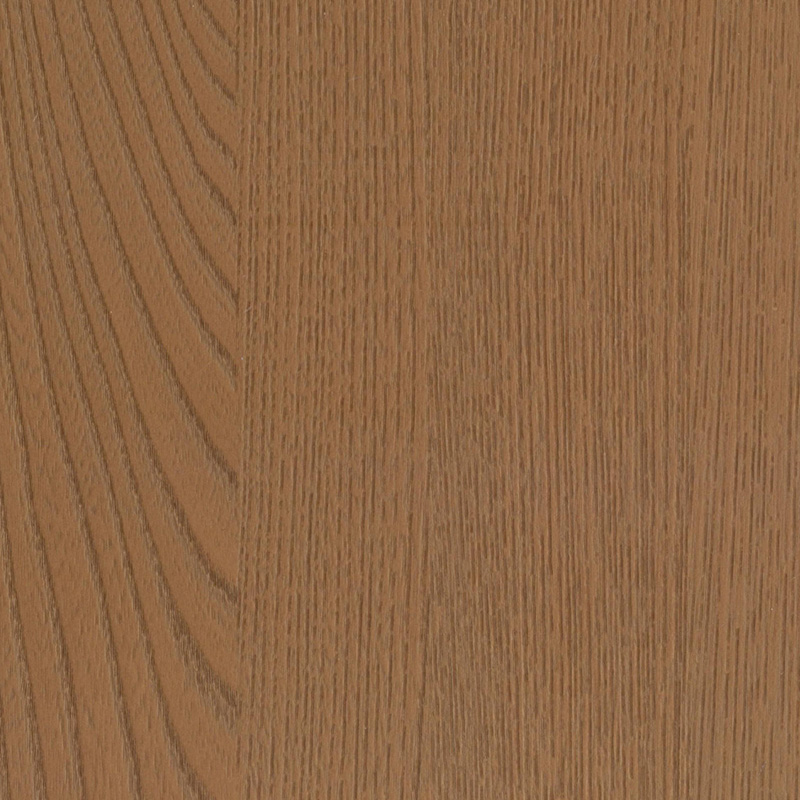
Suppliers offer PVC furniture film in ranges of patterns that include matte, gloss, and textured surfaces. Wood-effect designs feature variations in tone and grain direction to match different interior styles. Solid color selections allow for monochromatic furniture collections, while metallic or abstract prints expand creative possibilities for accent pieces. Roll widths and lengths accommodate standard panel sizes common in furniture production, reducing waste during cutting and application stages.
Role in Furniture Assembly and Finishing
During assembly, operators laminate PVC furniture film onto base materials using heat and pressure systems that activate adhesive layers for secure bonding. The film covers edges and faces in a single operation for many components, streamlining workflow in production facilities. This approach supports the creation of ready-to-assemble furniture lines distributed through retail channels. PVC furniture film contributes to the overall efficiency of manufacturing by enabling quick style changes through different film selections without altering core structures.
PVC furniture film continues to serve as a functional element in furniture manufacturing by providing surface options that align with production requirements and design preferences. Its adaptability across various furniture types supports the variety of products available in residential, commercial, and institutional settings. Through established application methods, the film helps producers deliver pieces with reliable surface qualities suited to everyday use.


 No.3 Guangfu \Road, Hecun Town, Jiangshan City, Zhejiang Province, China
 +86-15700041115

Copyright © Zhejiang Jiahong Decoration Material Co., Ltd. All Rights Reserved
