
 English
 русский
 Español
 عربى
عربى Deutsch
Is PVC Decor Film Strong Enough For Furniture?
Pick up a kitchen cabinet door, run your hand across a wardrobe panel, or look closely at the surface of an office partition — there's a reasonable chance what you're touching is PVC decor film. It's one of those materials that does a lot of work quietly in the background of furniture and interior manufacturing. The job it does is straightforward: deliver a consistent, durable decorative surface across high production volumes without the cost, variability, or supply constraints that come with natural materials like wood veneer or stone.
The starting point is polyvinyl chloride compounded with plasticizers, heat stabilizers, and processing aids. That formulation controls how flexible the finished film is, how it handles during lamination, and how it ages in service. Calendering is the standard production route — molten PVC compound runs through a series of heated rollers that squeeze it down to a consistent, precise thickness.
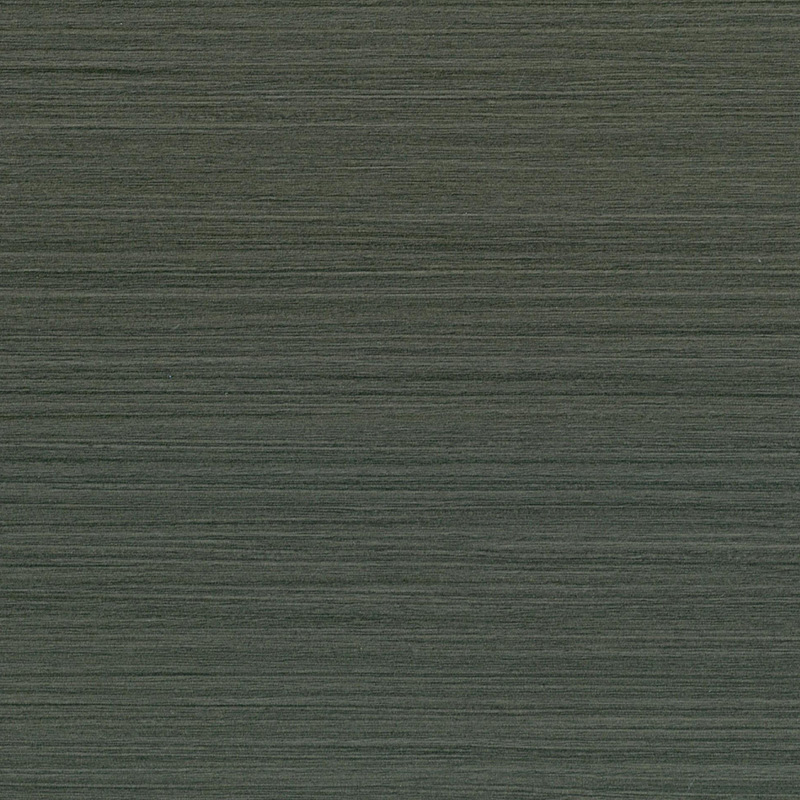
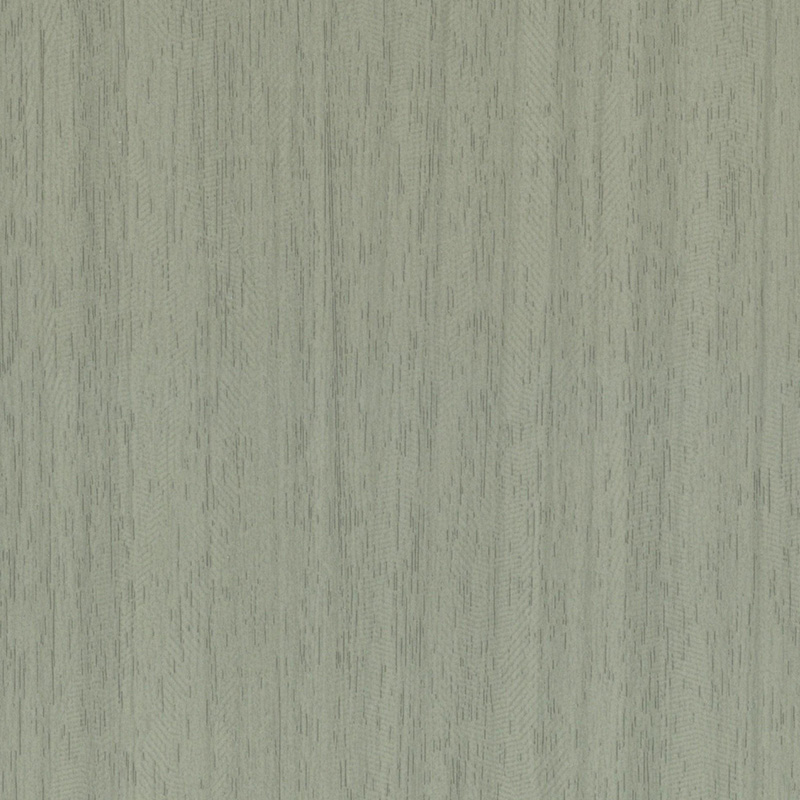
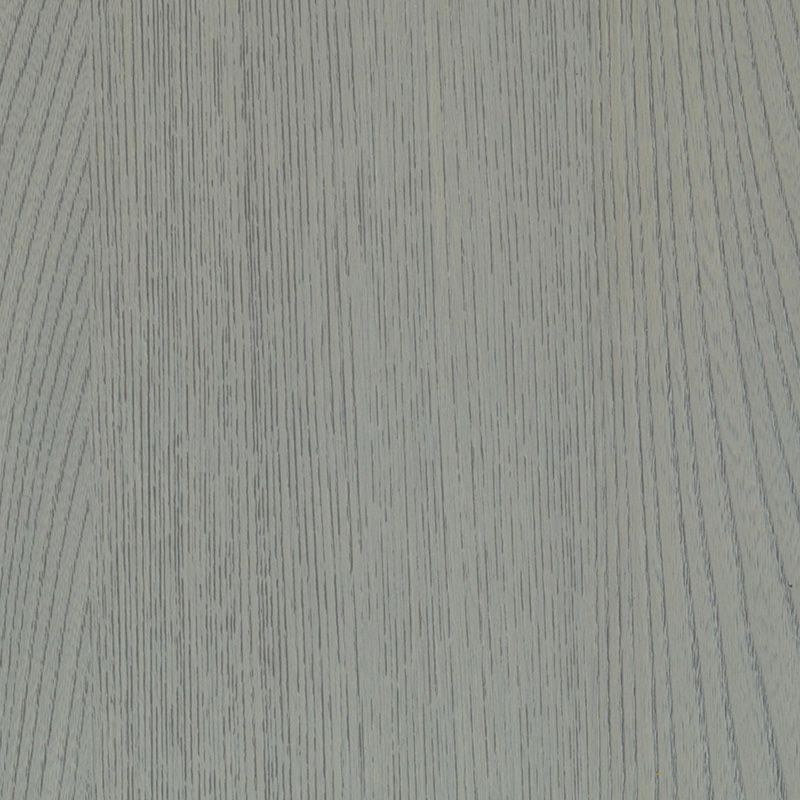
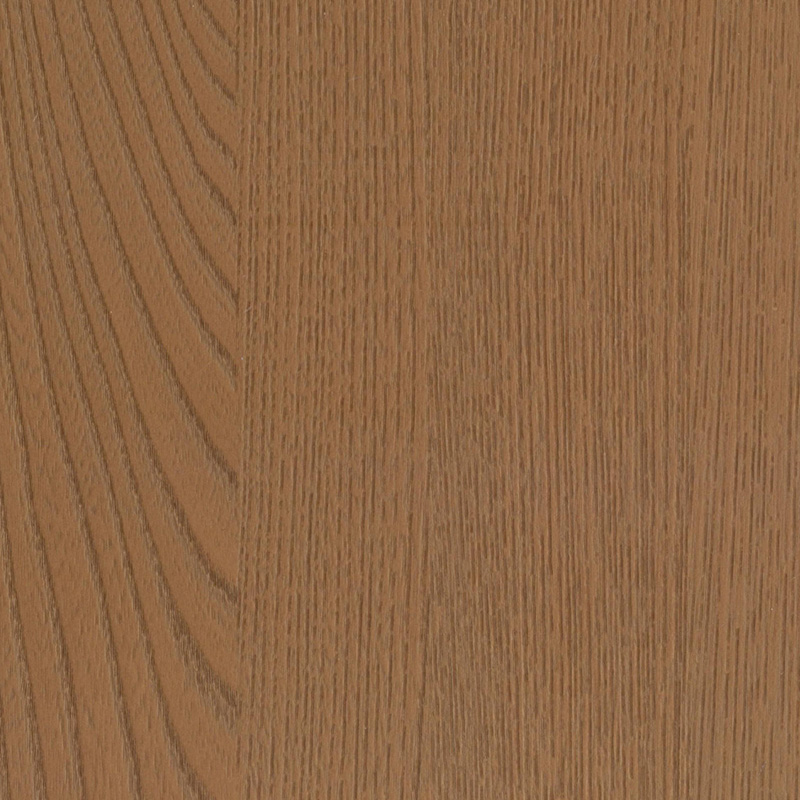
Decoration comes next, in layers. Gravure printing applies the visual pattern — wood grains, marble and stone effects, fabric textures, geometric designs, solid colors — at high resolution and with the color consistency needed to match across thousands of panels in a single production run. Embossing follows, pressing a three-dimensional texture into the printed surface using engraved rollers under heat and pressure. That tactile layer is what separates a convincing wood grain surface from one that looks printed but feels flat. Synchronous embossing takes it further by registering the texture precisely to the printed pattern, so the pore structure of a wood grain sits exactly where the grain lines run rather than floating independently across the surface. A protective topcoat — lacquer or UV-cured finish — goes on last, locking in the gloss level and providing the scratch and chemical resistance the surface needs to hold up in use.
A few performance characteristics separate well-specified PVC decor film from film that causes problems in production or fails early in service. Flexibility is critical for any application involving shaped substrates — if the film can't conform without stress cracking, it's the wrong product for the process. Dimensional stability matters because a film that moves with temperature changes will eventually lift at edges or bubble under the surface of finished panels. Back surface treatment affects how reliably the film bonds with different adhesive systems, whether hot melt, solvent-based, or water-based. And topcoat performance determines how the surface holds up to the kind of physical contact furniture actually gets day after day.
The sectors using PVC decor film are varied. Furniture manufacturers apply it to flat and shaped panels across kitchen, bedroom, bathroom, and office product lines. Door producers use it on interior door skins and frames as a cost-effective alternative to paint or veneer. Wall panel and ceiling tile makers rely on it to hit specific aesthetic specifications in commercial, retail, and hospitality interiors.
When sourcing PVC decor film at scale, the variables that matter are pattern and texture range, batch-to-batch color consistency, topcoat performance, film flexibility relative to the lamination process being used, and whether the supplier can actually deliver volume reliably. Manufacturers who've worked through those parameters carefully tend to have far fewer surface quality issues further down the line.


 No.3 Guangfu \Road, Hecun Town, Jiangshan City, Zhejiang Province, China
 +86-15700041115

Copyright © Zhejiang Jiahong Decoration Material Co., Ltd. All Rights Reserved
