
 English
 русский
 Español
 عربى
عربى Deutsch
High-Definition Decorative Film Advances Surface Design
A notable trend is emerging within the surfacing and interior finishing industries, centered on the growing adoption and technological advancement of high-definition decorative film. This material category represents a significant evolution in laminate films, moving beyond traditional patterns to offer exceptional visual clarity, depth, and detail. The application of high-definition decorative film is expanding across various sectors, driven by demand for more realistic and sophisticated surface designs in furniture, automotive interiors, electronics, and retail environments.
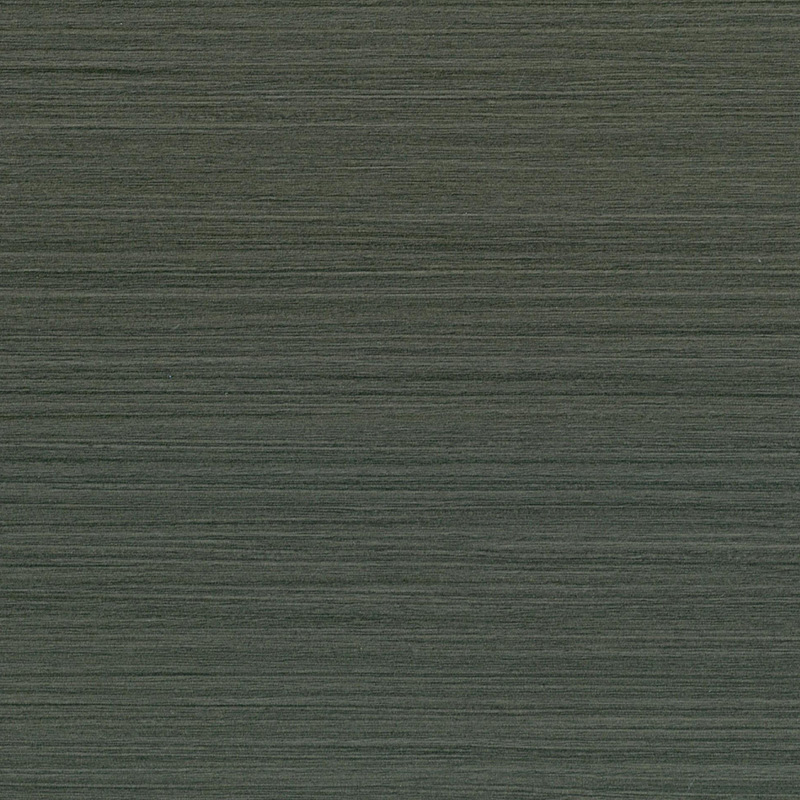
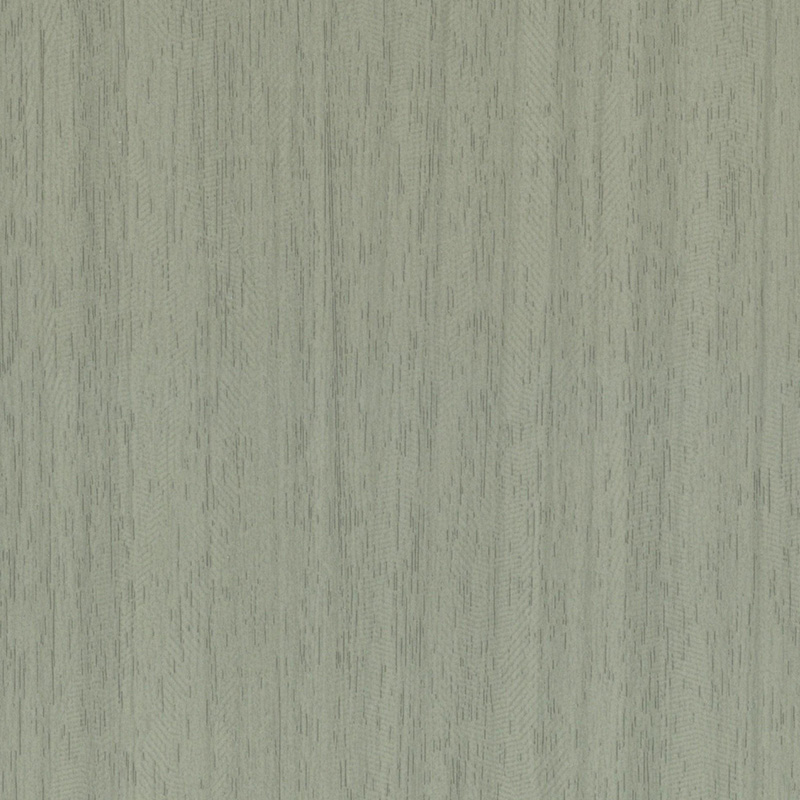
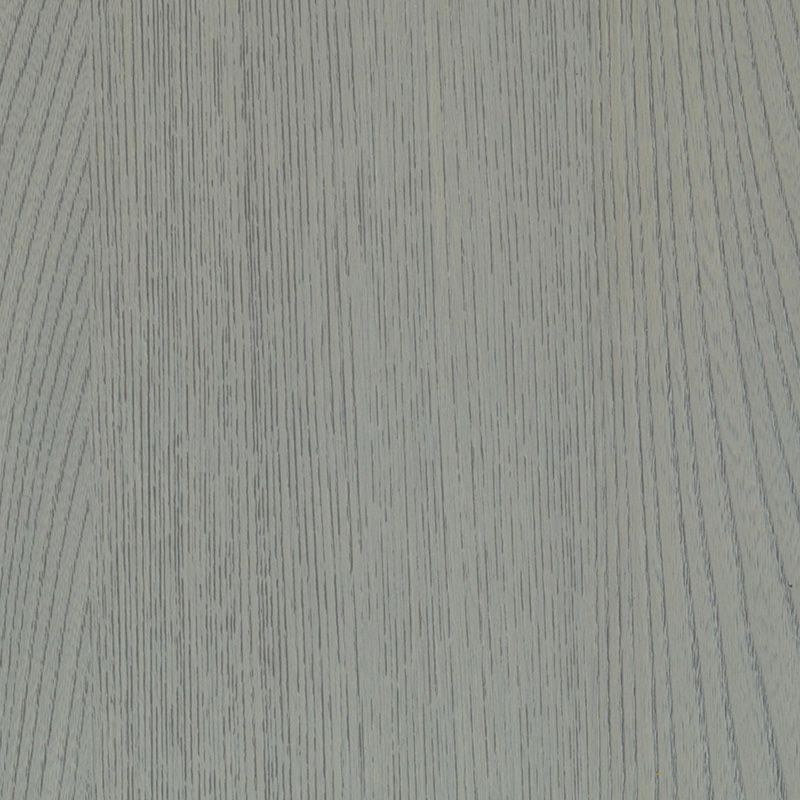
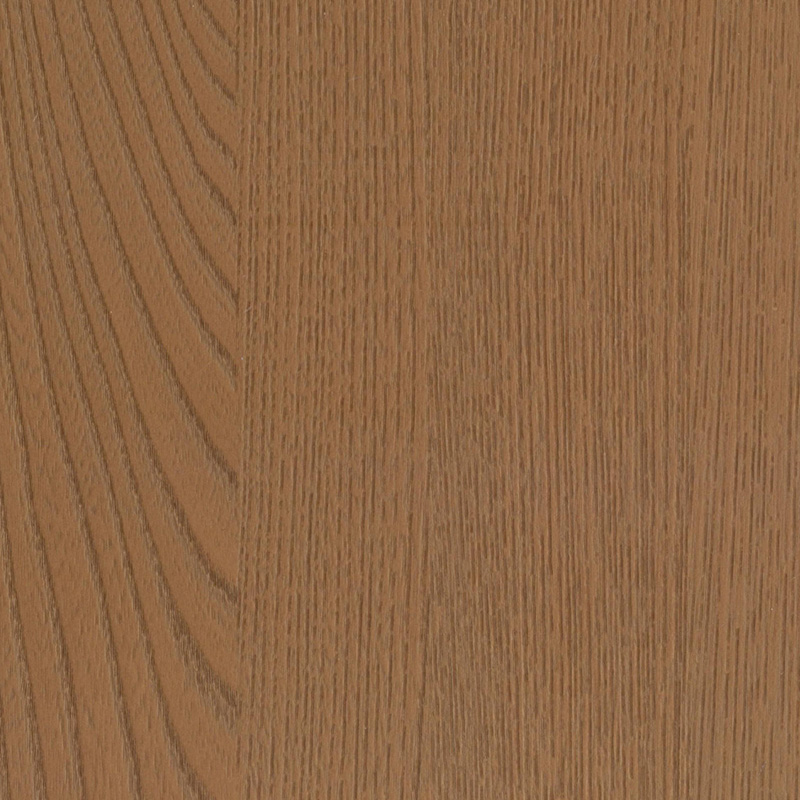
The defining characteristic of high-definition decorative film is its predominant image reproduction capability. Utilizing advanced digital printing technologies and precision embossing techniques, manufacturers create high-definition decorative film that exhibits sharp details, vibrant colors, and nuanced textures. Whether replicating natural materials like wood grain, stone, or fabric, or producing intricate custom graphics, high-definition decorative film achieves a level of visual fidelity that closely rivals the actual materials it imitates. This heightened realism is a primary value proposition, allowing designers to specify high-definition decorative film for projects where aesthetic impact is important, without the cost or practical limitations of some natural resources.
Beyond its visual appeal, high-definition decorative film is engineered for durability and functionality. Modern formulations ensure that high-definition decorative film provides reliable resistance to common stressors such as scratches, abrasion, moisture, and exposure to ultraviolet light. This performance profile makes surfaces finished with high-definition decorative film suitable for high-traffic areas and products subject to frequent use. The protective layer of high-definition decorative film also facilitates easier cleaning and maintenance, preserving the film's appearance over time and supporting product longevity.
The manufacturing process for integrating high-definition decorative film is compatible with efficient, large-scale production methods. The film can be precisely laminated onto various substrates, including metals, plastics, and engineered woods, using controlled heat and pressure. This process allows for the consistent application of high-definition decorative film across complex three-dimensional shapes and large flat panels, making it a versatile solution for diverse product lines. The efficiency of applying high-definition decorative film supports manufacturers in offering greater design variety and faster customization options to their clients.
Market demand for high-definition decorative film is influenced by several broader trends. In consumer electronics, for example, high-definition decorative film is used to create distinctive, textured finishes on device surfaces. In the automotive sector, high-definition decorative film provides interior trim components with realistic brushed metal or wood appearances. The retail and hospitality industries utilize high-definition decorative film for feature walls, signage, and fixture surfaces that require both visual impact and durability. This cross-sector application underscores the material's versatility and its role in meeting modern design expectations for both aesthetics and material performance.
The trajectory for high-definition decorative film points toward continued innovation and wider adoption. Research and development are likely to focus on further enhancing the tactile qualities of high-definition decorative film, improving its environmental sustainability profile, and expanding the range of achievable visual effects. As digital printing technology progresses, the potential for fully customized and on-demand production using high-definition decorative film may increase. The ongoing development of this material category reflects a clear industry movement towards surfaces that are not only functional and durable but also serve as a primary medium for sophisticated design expression, ensuring that high-definition decorative film remains a relevant and growing segment in the advanced materials landscape.


 No.3 Guangfu \Road, Hecun Town, Jiangshan City, Zhejiang Province, China
 +86-15700041115

Copyright © Zhejiang Jiahong Decoration Material Co., Ltd. All Rights Reserved
