
 English
 русский
 Español
 عربى
عربى Deutsch
PVC Wood Grain Decorative Film Sustains Market Appeal
The specific category of surfacing material known as PVC wood grain decorative film continues to demonstrate enduring appeal within the furniture, cabinetry, and interior design sectors. This specialized laminate, which faithfully replicates the visual and textural characteristics of various wood species, offers a versatile and accessible alternative to solid wood or veneers. The sustained demand for PVC wood grain decorative film is anchored in its ability to deliver a desired natural aesthetic with consistent quality, practical performance benefits, and suitability for high-volume manufacturing processes.
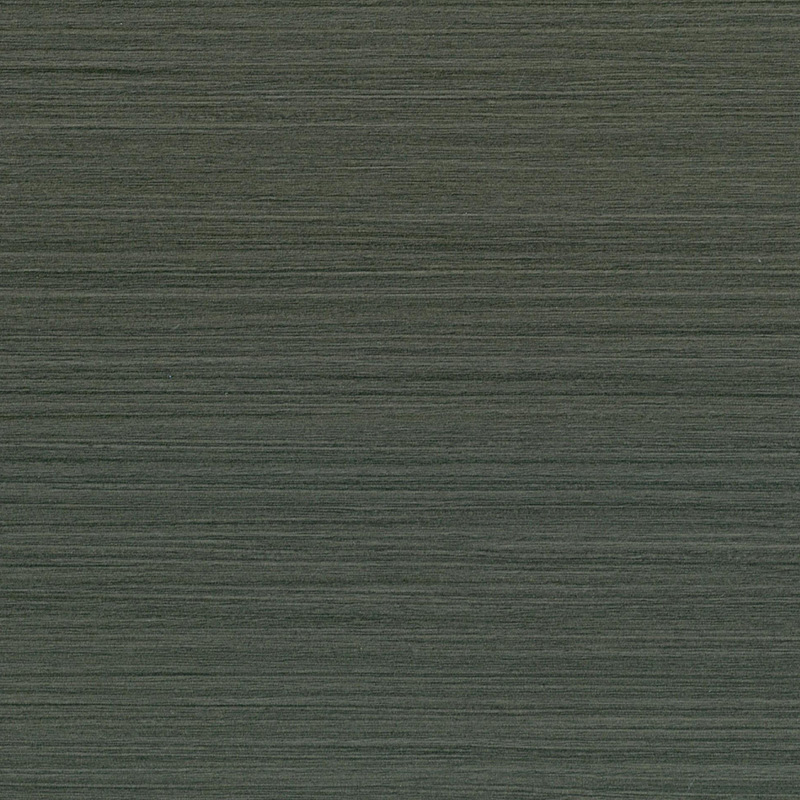
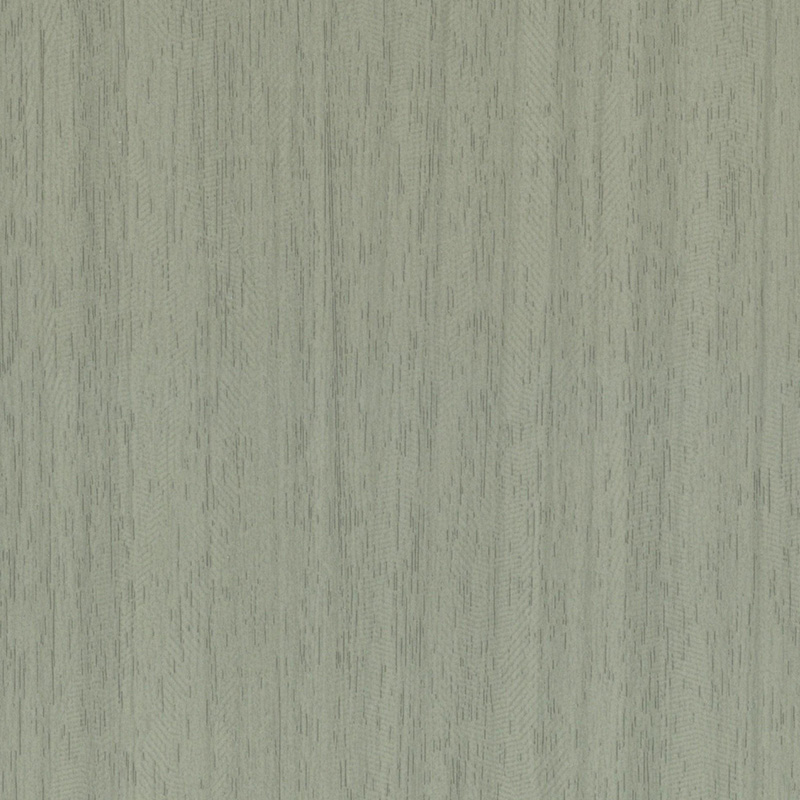
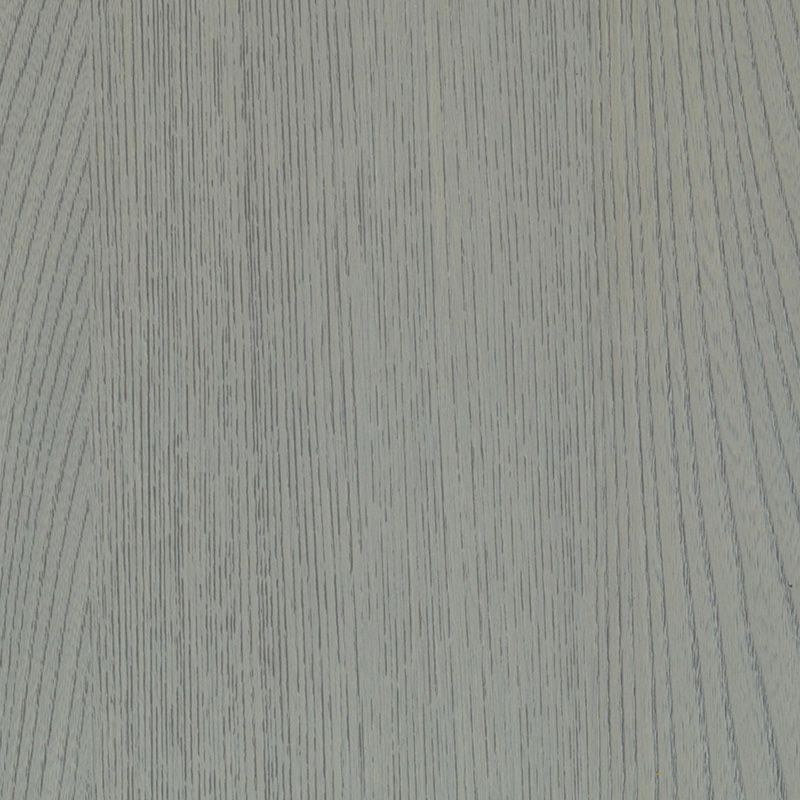
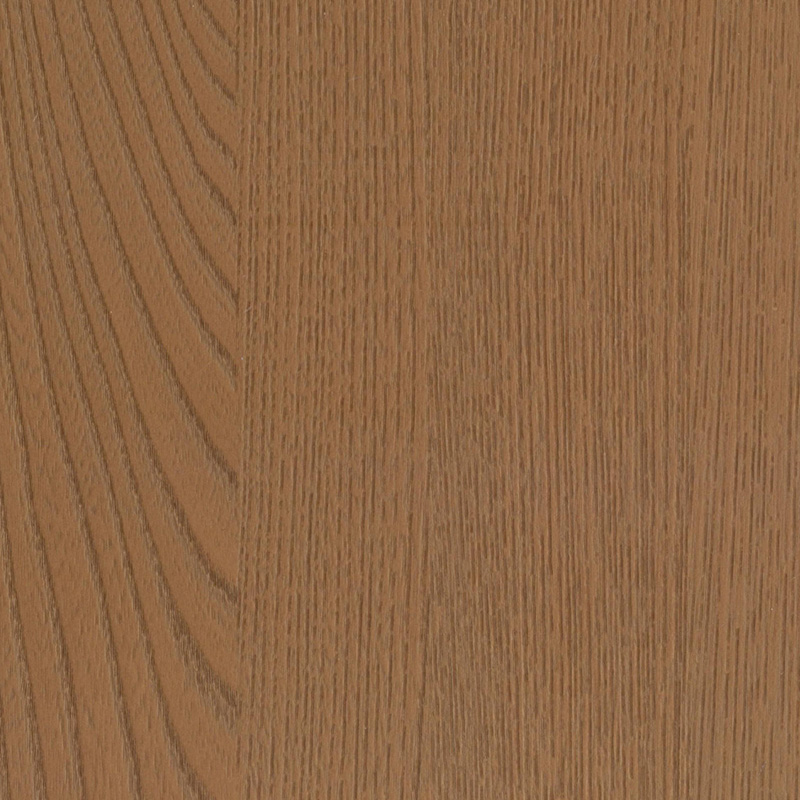
A primary driver for selecting PVC wood grain decorative film is its advanced visual realism. Through sophisticated printing and embossing techniques, manufacturers produce PVC wood grain decorative film that closely mimics the intricate grain patterns, color variations, and tactile feel of oak, walnut, maple, and many other woods. This high level of fidelity allows product designers and homeowners to achieve a warm, natural wood look in their interiors using PVC wood grain decorative film, often at a lower cost and with greater material uniformity than some natural wood options. The consistency of each sheet of PVC wood grain decorative film ensures a cohesive appearance across large installations, which is a valued characteristic for projects requiring multiple panels or units.
Beyond aesthetics, PVC wood grain decorative film provides several functional advantages. The material typically offers good resistance to moisture, making surfaces finished with PVC wood grain decorative film suitable for environments like kitchens and bathrooms where solid wood might warp or degrade. It also generally exhibits resilience against stains, minor scratches, and fading from light exposure, contributing to the longevity of the finished product. The surface of PVC wood grain decorative film is usually smooth and non-porous, facilitating easy cleaning and maintenance, which is a practical consideration for both residential and commercial applications.
The application efficiency of PVC wood grain decorative film is another factor supporting its use. The film is laminated onto engineered wood substrates, such as medium-density fibreboard or particleboard, using automated processes. This method allows for efficient, large-scale production of furniture components, cabinet doors, wall panels, and other elements featuring PVC wood grain decorative film. The process lesss material waste compared to some solid wood fabrication techniques and enables rapid adaptation to different design lines by simply changing the roll of PVC wood grain decorative film, offering significant flexibility to manufacturers.
Market trends and environmental considerations are influencing the ongoing development of PVC wood grain decorative film. As design preferences evolve, producers continuously expand their libraries of wood species and finishes available in PVC wood grain decorative film, from traditional classics to contemporary weathered or brushed looks. Concurrently, there is a focus within the industry on improving the environmental profile of these products. This includes initiatives to develop PVC wood grain decorative film with recycled content, reduce emissions during production, and explore more sustainable formulations, responding to broader regulatory and consumer expectations.
The future for PVC wood grain decorative film appears to be one of steady demand coupled with product refinement. Innovations will likely focus on enhancing the three-dimensional authenticity and durability of the film, as well as progressing its sustainability attributes. As a well-established material, PVC wood grain decorative film is expected to maintain its significant role in providing a cost-effective, durable, and aesthetically pleasing surfacing solution. It effectively meets the need for the natural wood appearance in countless interior settings, balancing visual appeal with the practical realities of modern manufacturing, project budgets, and performance requirements.


 No.3 Guangfu \Road, Hecun Town, Jiangshan City, Zhejiang Province, China
 +86-15700041115

Copyright © Zhejiang Jiahong Decoration Material Co., Ltd. All Rights Reserved
