
 English
 русский
 Español
 عربى
عربى Deutsch
PVC Interior Film Sustains Decorative Surfaces Demand
The material known as PVC interior film maintains a consistent presence as a popular choice for decorative surfacing across multiple industries. This versatile laminate, applied to various substrates through lamination processes, is used to create finished surfaces for furniture, cabinetry, wall panels, and other interior elements. The ongoing utilization of PVC interior film is attributed to its combination of aesthetic flexibility, functional benefits, and economic feasibility, supporting its application in both new construction and renovation projects.
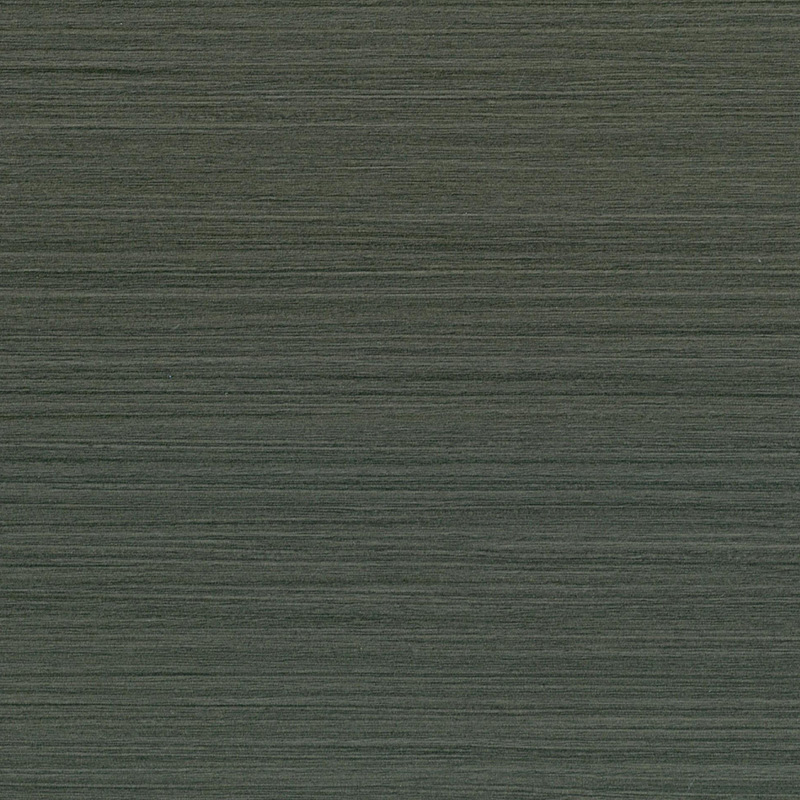
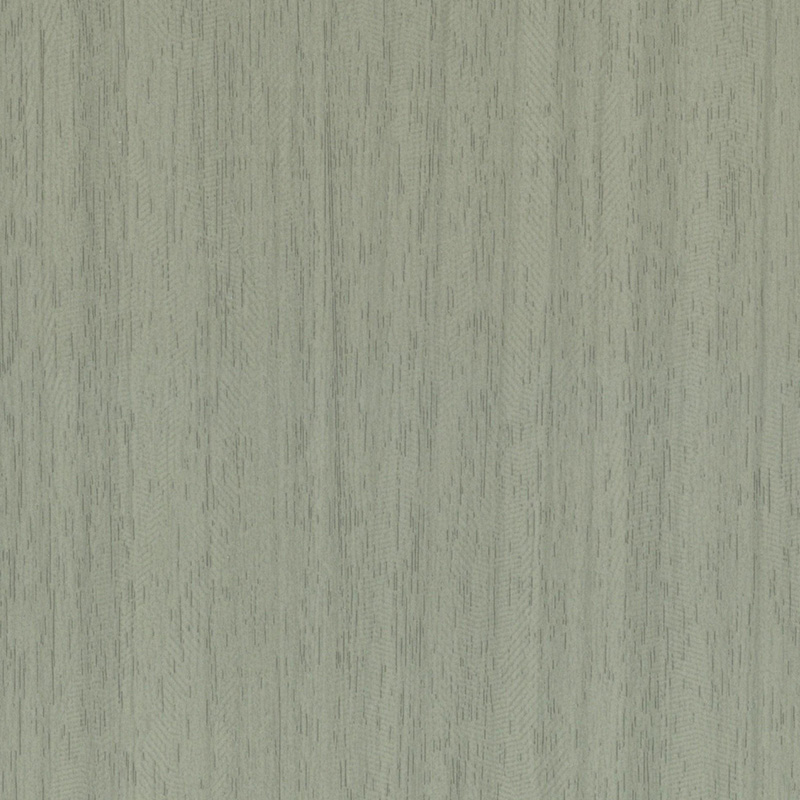
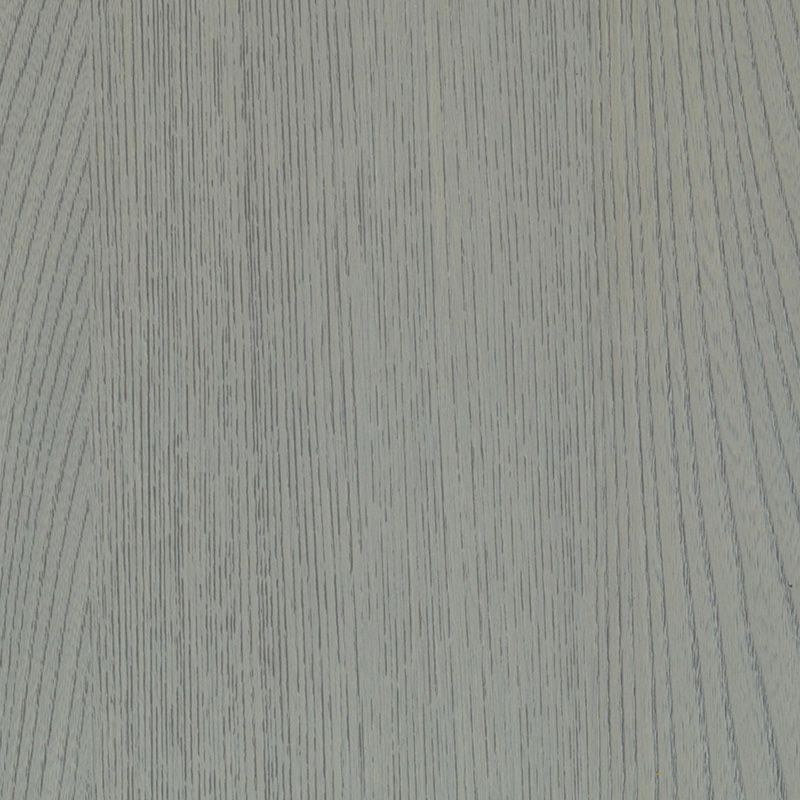
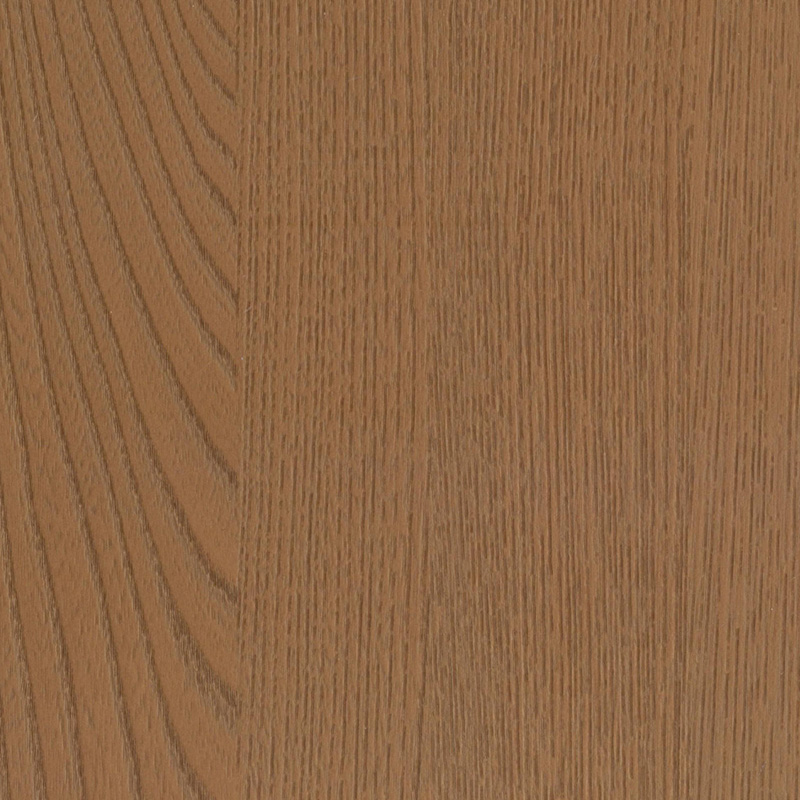
A significant advantage offered by PVC interior film is its extensive design capability. Modern printing and texturing technologies allow manufacturers to produce PVC interior film in an almost limitless array of colors, patterns, and textures. It can convincingly replicate the appearance of natural wood grains, stone surfaces, metallic finishes, or abstract designs. This allows designers and manufacturers to achieve specific visual styles and thematic interiors using PVC interior film, often at a lower cost and with greater consistency than some natural materials. The ability of PVC interior film to support diverse design trends helps it remain relevant in a dynamic market.
From a performance perspective, PVC interior film provides a durable and protective surface layer. Once laminated onto a stable core material, it forms a barrier that is generally resistant to moisture, stains, and minor abrasions. This makes surfaces finished with PVC interior film suitable for areas subject to frequent use or cleaning, such as kitchen cabinets, bathroom vanities, and commercial fixtures. The ease of maintenance associated with PVC interior film, where surfaces can typically be wiped clean with a damp cloth, adds to its practical appeal for residential and commercial clients.
The installation and fabrication process for PVC interior film also contributes to its use. The film can be efficiently laminated to sheet materials in large formats before cutting and fabrication, streamlining production for furniture and fixture manufacturers. This efficiency, combined with the wide availability of PVC interior film, supports shorter delivery times and adaptable manufacturing cycles. For renovation projects, the availability of PVC interior film as a refinishing material offers a method to update surfaces without complete replacement, aligning with certain cost-conscious or time-sensitive project requirements.
Environmental and health considerations continue to shape the development and selection of materials like PVC interior film. Industry participants are engaged in ongoing efforts to address these topics. This includes advancements in the production of PVC interior film, such as formulations aimed at reducing environmental impact, improving indoor air quality ratings, and enhancing recyclability. Compliance with regional safety and emissions standards is a standard practice for established producers of PVC interior film, ensuring products meet required specifications for indoor use.
The position of PVC interior film in the market appears stable, with evolution focused on incremental improvement. Future developments may involve further enhancements to the sustainability profile of PVC interior film, the creation of more sophisticated and realistic textured finishes, and improvements in technical performance regarding durability and resistance properties. As a well-understood and widely available material, PVC interior film is expected to continue serving as a reliable option for achieving decorative finishes where a balance of cost, design variety, and functional performance is sought. Its role underscores a sustained demand for practical and versatile surfacing solutions in interior architecture and product manufacturing.


 No.3 Guangfu \Road, Hecun Town, Jiangshan City, Zhejiang Province, China
 +86-15700041115

Copyright © Zhejiang Jiahong Decoration Material Co., Ltd. All Rights Reserved
