
 English
 русский
 Español
 عربى
عربى Deutsch
PVC Furniture Film Sustains Role in Interior Design
The decorative surfacing material known as PVC furniture film continues to hold a significant and steady position within the furniture manufacturing and interior renovation industries. This flexible laminate, commonly referred to as PVC furniture film, is applied to substrates like particleboard or medium-density fibreboard (MDF) to create a durable, aesthetically pleasing surface for various products. The sustained use of PVC furniture film is supported by its balance of functional performance, cost-effectiveness, and design versatility, making it a common choice for both residential and commercial applications.
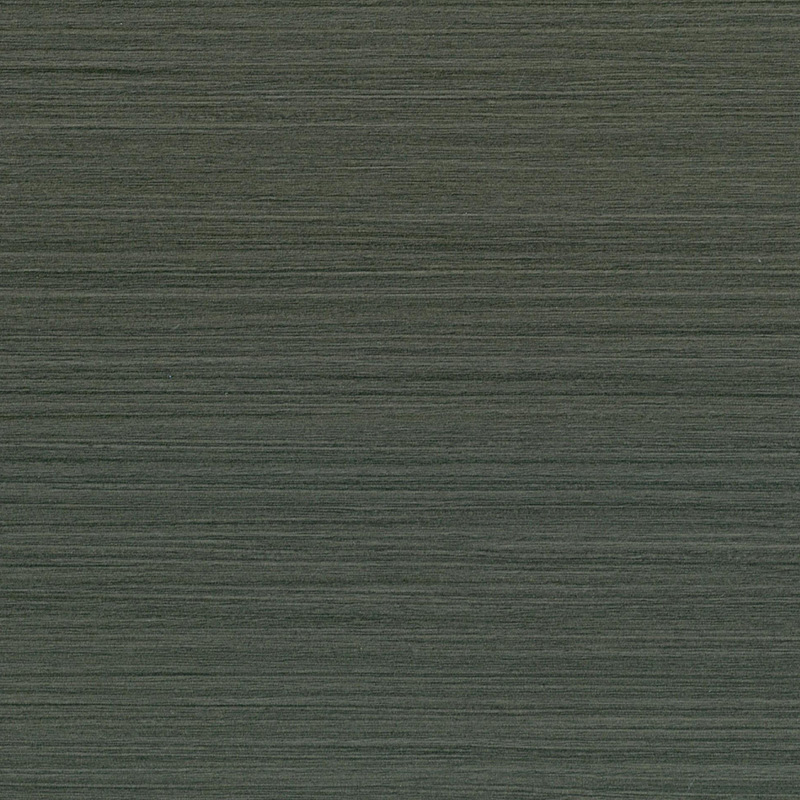
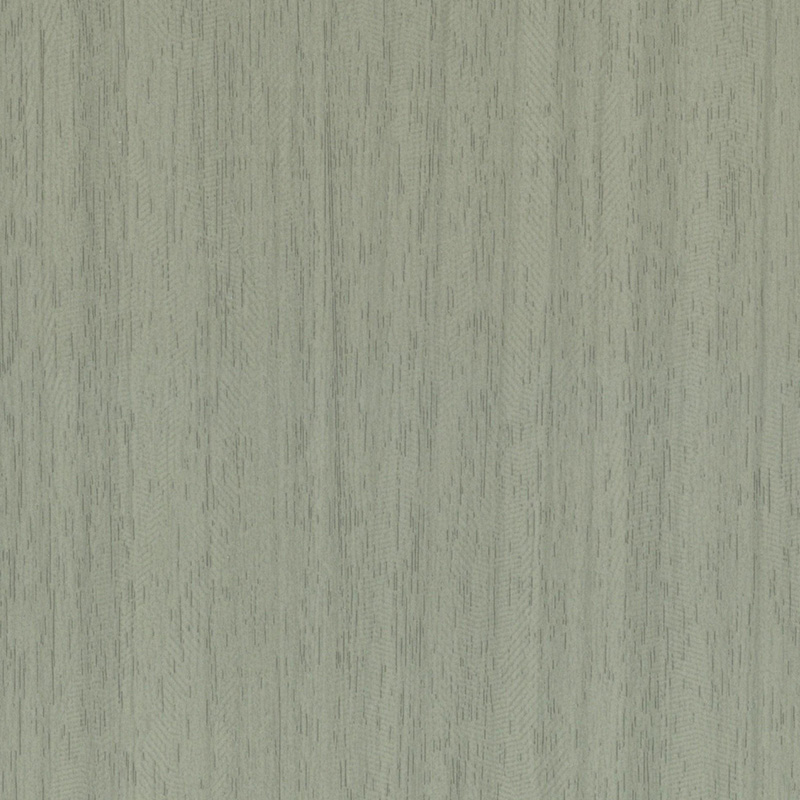
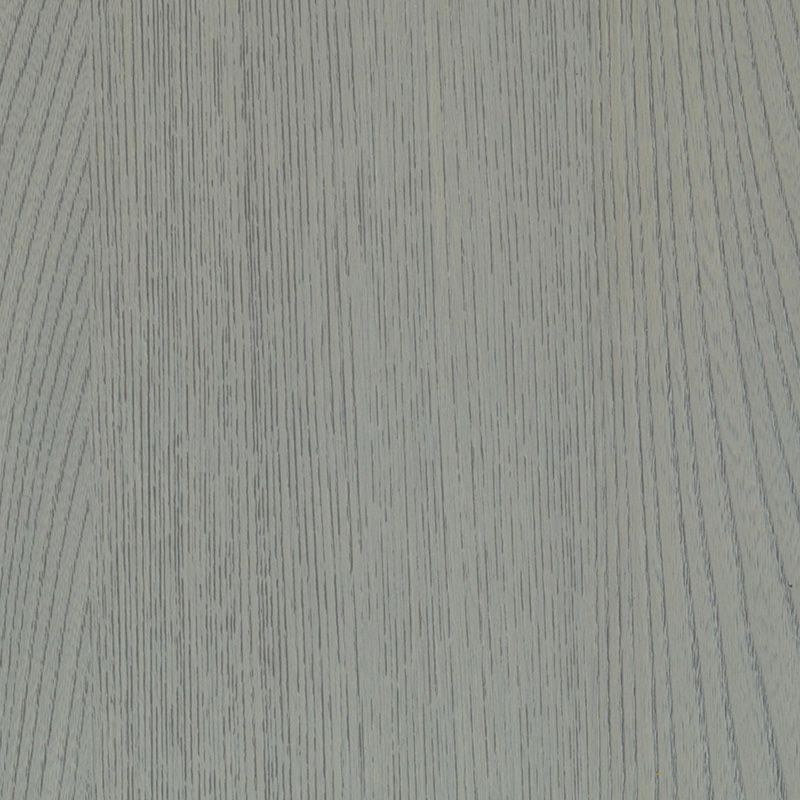
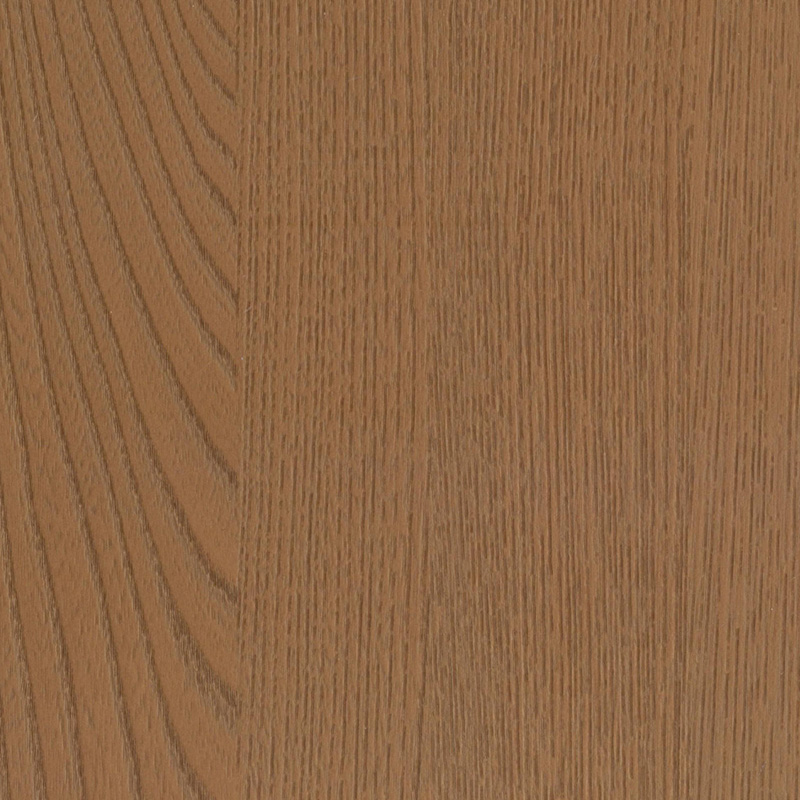
A primary driver for the application of PVC furniture film is its ability to closely mimic the appearance of natural materials. Through advanced printing and embossing technologies, manufacturers can produce PVC furniture film that replicates the visual texture and grain of wood, the smoothness of stone, or a wide array of solid colors and abstract patterns. This allows for the creation of furniture, cabinetry, and interior fixtures that offer a desired aesthetic at a more accessible price point than products made with solid natural materials. The consistent quality and repeatability of designs in PVC furniture film are highly valued for large-scale production runs.
From a functional perspective, PVC furniture film provides a resilient protective layer. It generally offers good resistance to moisture, scratches, and stains compared to untreated wood surfaces. This makes furniture and cabinets finished with PVC furniture film suitable for environments like kitchens, bathrooms, and offices, where surfaces are subject to regular use and cleaning. The protective nature of PVC furniture film helps preserve the underlying substrate, contributing to the longevity of the finished product. Additionally, the application process for PVC furniture film, which often involves lamination using heat and pressure, creates a seamless, easy-to-clean surface without visible joints in many cases.
The market for PVC furniture film is influenced by broader trends in interior design and consumer preferences. As styles evolve, producers of PVC furniture film rapidly develop new color palettes and textures to meet contemporary demands for modern, classic, or smallist looks. The material's adaptability supports short production cycles and allows manufacturers to offer a diverse range of styles without maintaining large inventories of different wood veneers or laminates. This flexibility ensures that PVC furniture film remains relevant to furniture brands and custom fabricators seeking to offer varied catalogs.
Environmental considerations and regulatory standards are part of the ongoing conversation surrounding materials like PVC furniture film. In response, sectors of the industry are engaged in efforts to improve the sustainability profile of these products. This includes initiatives to increase the recyclability of PVC furniture film, develop films with reduced environmental impact, and ensure compliance with emissions standards for indoor air quality. These developments aim to address environmental concerns while maintaining the performance characteristics that make PVC furniture film a practical choice for manufacturers.
The future for PVC furniture film is likely to involve continuous refinement. Innovations may focus on enhancing the material's ecological attributes, developing even more realistic and tactile surface effects, or improving technical properties such as resistance to heat or UV fading. As a well-established material, PVC furniture film is expected to maintain its market share, particularly in segments where durability, design variety, and controlled cost are important factors. Its role in the furniture and interior design supply chains underscores a demand for versatile, functional surface solutions that meet both aesthetic desires and practical requirements for everyday use.


 No.3 Guangfu \Road, Hecun Town, Jiangshan City, Zhejiang Province, China
 +86-15700041115

Copyright © Zhejiang Jiahong Decoration Material Co., Ltd. All Rights Reserved
