
 English
 русский
 Español
 عربى
عربى Deutsch
PVC Decor Film Enhances Surface Design Options
In the world of interior design, furniture manufacturing, and retail display, a flexible and cost-effective material is experiencing steady demand: PVC decor film. This laminated film, composed of polyvinyl chloride and printed with detailed designs, serves as a durable and visually appealing surface covering for a diverse range of substrates, from particleboard and MDF to metal and existing fixtures. The application of PVC decor film offers an efficient alternative to traditional painting, laminating with solid sheets, or using natural veneers.
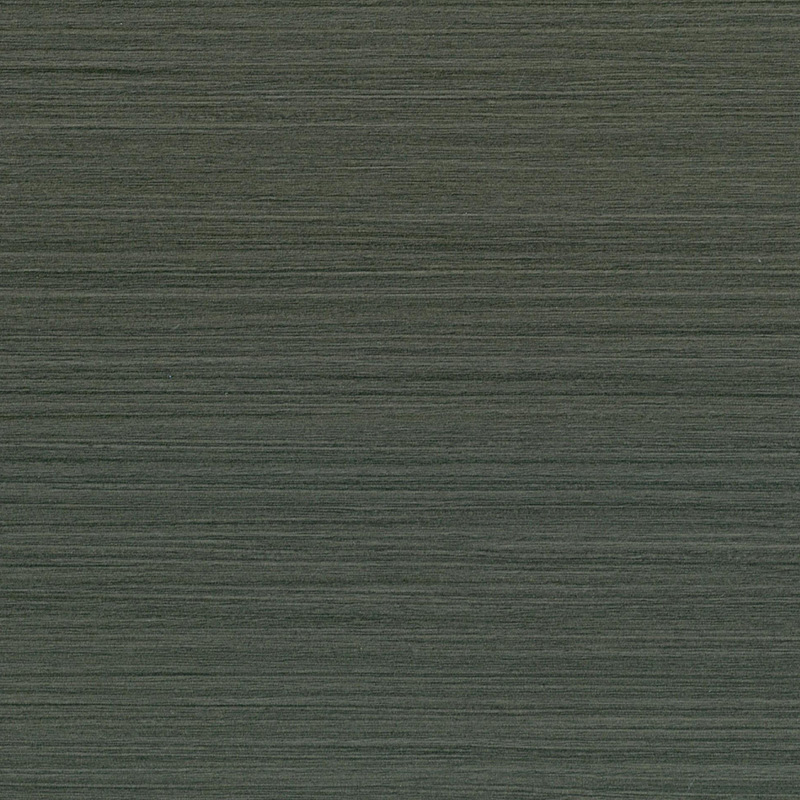
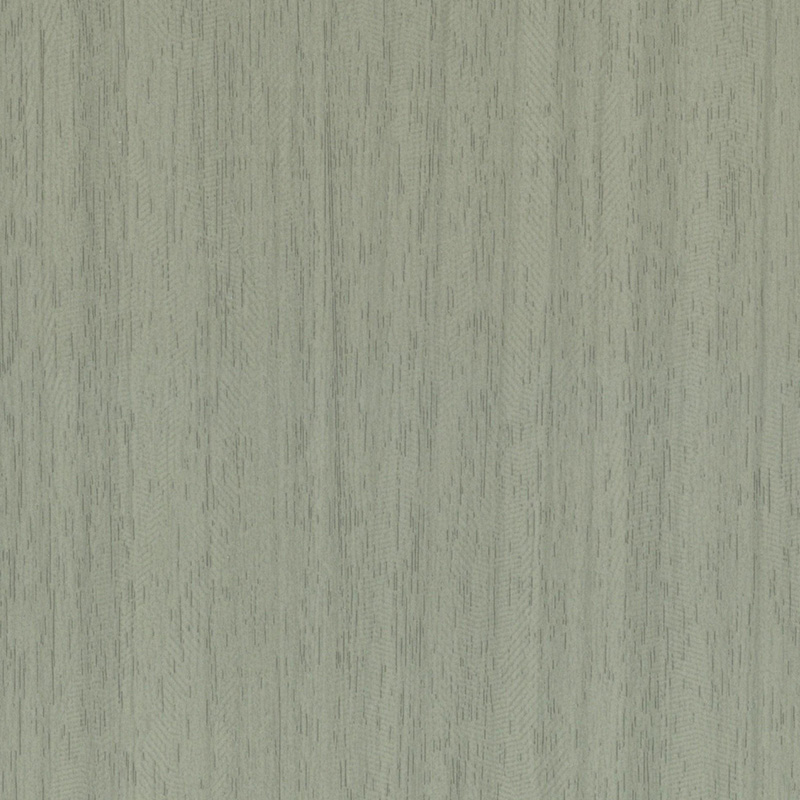
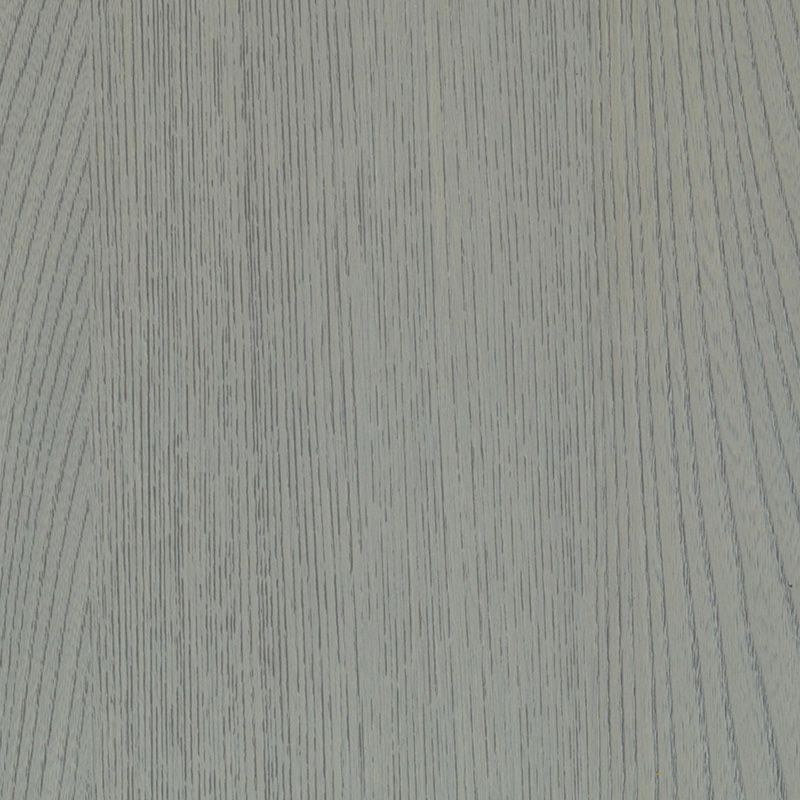
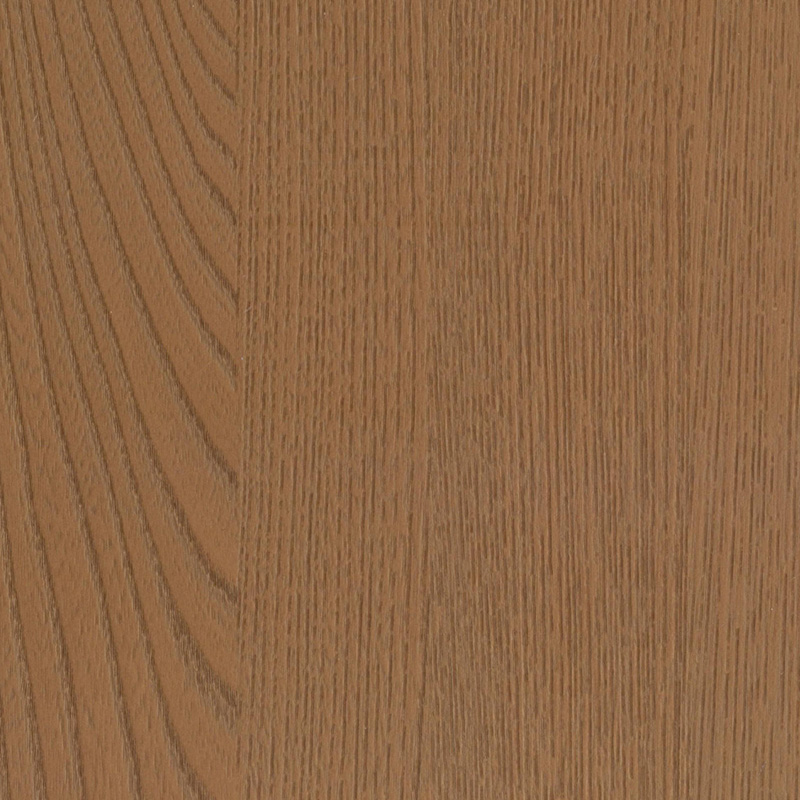
The fundamental appeal of PVC decor film lies in its combination of aesthetic versatility and practical performance. Manufacturers can produce PVC decor film in an allots of limitless array of colors, patterns, and textures. High-definition printing technology allows for accurate reproductions of wood grains, marble veining, abstract designs, and solid colors. This enables brands and fabricators to achieve high-end visual effects at a lower cost and with greater consistency than some natural materials. From a functional standpoint, a high-quality PVC decor film typically features a protective wear layer that provides resistance to scratches, moisture, stains, and fading from light exposure, making it suitable for demanding environments.
The primary application for PVC decor film is in the furniture and cabinetry industry. It is extensively used to wrap kitchen and wardrobe cabinet doors, drawer fronts, and furniture panels. The process, often involving automated machinery for precision and efficiency, allows for seamless, wrap-around edges that create a continuous surface without visible seams. This capability gives finished products a cohesive, modern appearance. Beyond case goods, PVC decor film is widely adopted for interior decoration, applied to wall panels, column covers, and door skins in commercial spaces like hotels, offices, and retail stores, facilitating rapid renovations and thematic branding.
Another significant sector utilizing PVC decor film is the point-of-purchase and display industry. The material's lightweight nature, flexibility, and printable surface make it ideal for creating eye-catching retail displays, exhibition booths, and signage. Its durability ensures these temporary or semi-permanent structures can withstand handling and transportation. The ability to easily clean and maintain surfaces covered with PVC decor film adds to its practicality in high-traffic commercial settings.
Technological advancements in the production of PVC decor film are focused on enhancing both its environmental profile and its performance characteristics. There is growing development and interest in formulations that reduce the reliance on certain additives, improving the material's sustainability credentials. Furthermore, innovations in adhesive systems and the development of thicker, more rigid grades of PVC decor film are expanding its potential applications, allowing it to be used as a more structural element in some cases. Enhanced embossing techniques also create more convincing tactile textures that closely mimic natural materials like wood or leather.
The trajectory for PVC decor film will likely involve balancing performance with increased environmental consideration. Research into bio-based plasticizers and recyclable film structures is ongoing. However, its core value proposition—offering a durable, decorative, and cost-efficient surfacing solution—remains robust. As manufacturing and printing technologies continue to advance, the visual quality and durability of PVC decor film are expected to improve further, securing its position as a pragmatic and creative choice for surface enhancement across multiple industries, from residential interiors to dynamic commercial spaces.


 No.3 Guangfu \Road, Hecun Town, Jiangshan City, Zhejiang Province, China
 +86-15700041115

Copyright © Zhejiang Jiahong Decoration Material Co., Ltd. All Rights Reserved
