
 English
 русский
 Español
 عربى
عربى Deutsch
High-Definition Decorative Film Advances Surface Realism
The market for interior surfacing and furniture finishes is experiencing a notable shift towards materials that offer exceptional visual depth, clarity, and realism. At the forefront of this trend is High-Definition Decorative Film, a technologically advanced category of laminate film. This product distinguishes itself through sophisticated printing and manufacturing techniques that achieve predominant image resolution, color fidelity, and textural detail compared to standard decorative films. The application of High-Definition Decorative Film is transforming how surfaces imitate natural materials like wood, stone, and fabric, while also enabling intricate custom graphics and patterns for residential, commercial, and retail environments.
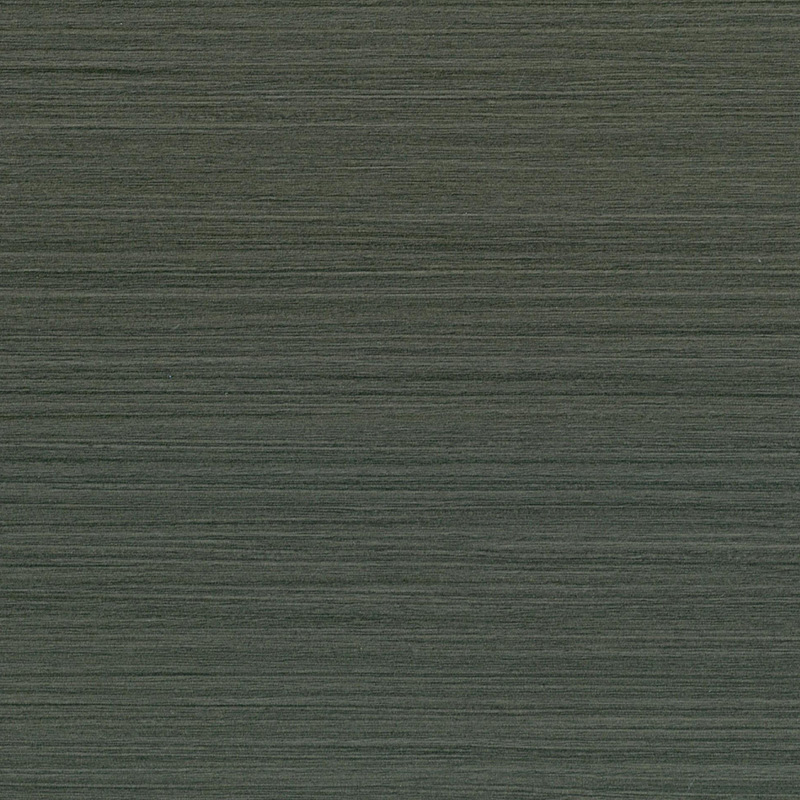
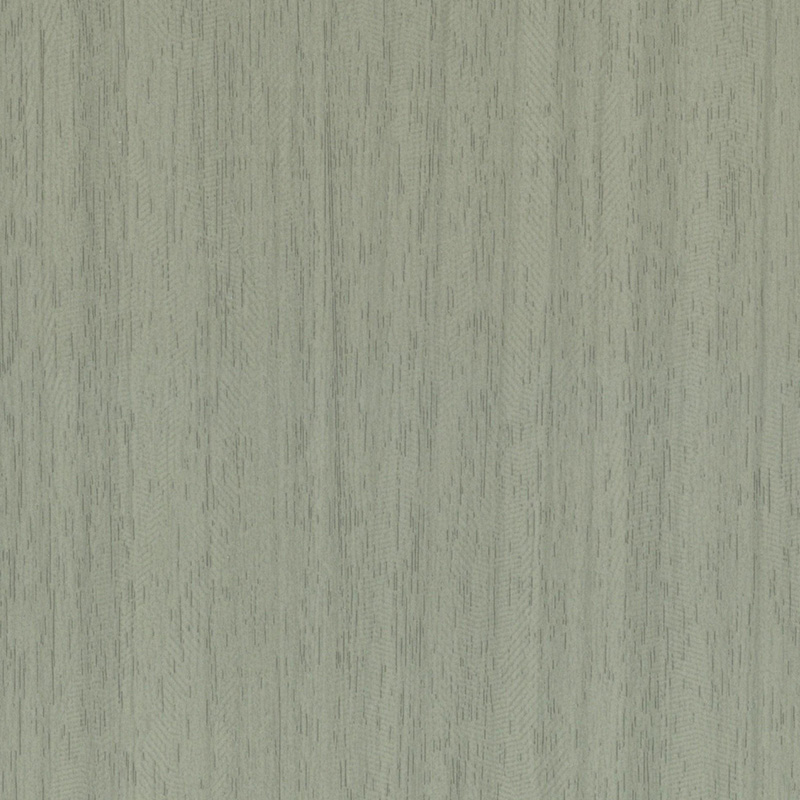
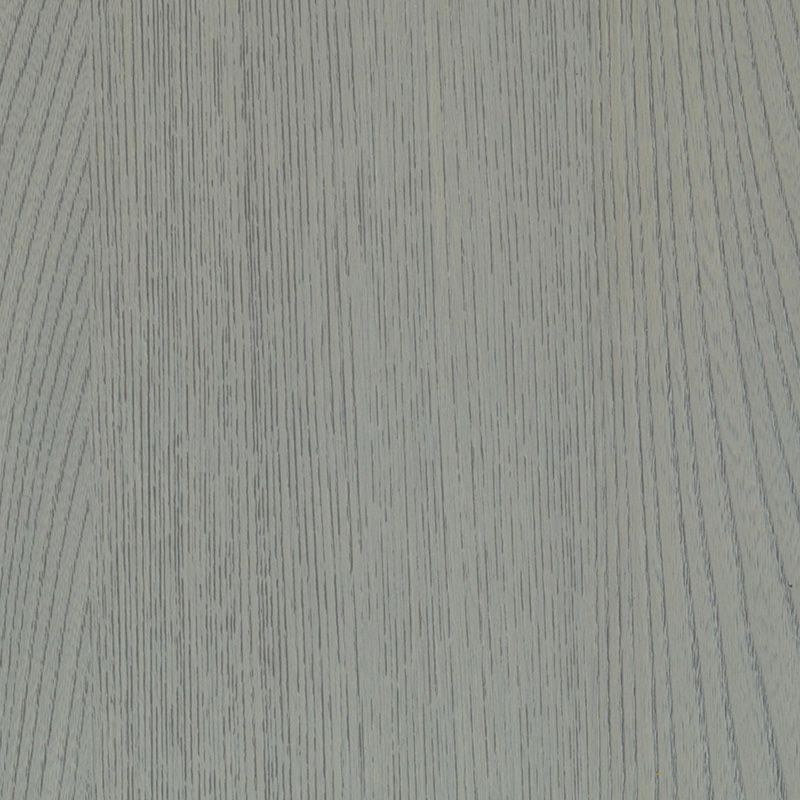
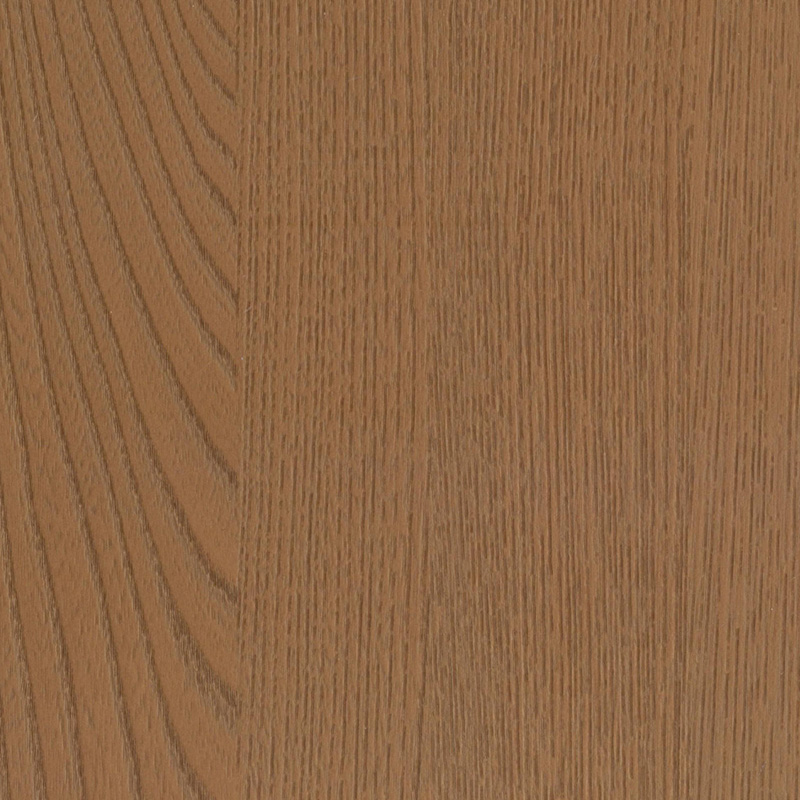
The core advancement of High-Definition Decorative Film lies in its production process. It utilizes high-resolution digital or advanced gravure printing technology capable of producing badly fine detail and a broad, nuanced color gamut. This allows for the precise reproduction of complex natural patterns, such as the subtle variations in wood grain, the intricate veining of marble, or the weave of a textile. Beyond printing, the film's surface treatment is critical. Advanced embossing techniques, often registered to align superbly with the printed image, create a matching three-dimensional texture. This synergy between high-resolution visual detail and precise tactile texture is what defines a true High-Definition Decorative Film, creating an immersive sensory experience that closely mimics the authentic material it represents.
The application of High-Definition Decorative Film spans several design-focused industries. In furniture and cabinet manufacturing, it is used to create surfaces with an exceptional level of realism, elevating the perceived quality of products that utilize engineered wood substrates. For interior architecture, High-Definition Decorative Film is applied as a wall covering, ceiling cladding, or column wrap in settings such as hotel lobbies, corporate offices, and high-end retail stores, where design impact is paramount. The film is also used in the automotive and yachting industries for interior trim components. Its ability to be processed using standard laminating, vacuum forming, or adhesive application methods makes it a versatile upgrade for existing manufacturing workflows seeking a higher-end finish.
Several key benefits are driving the adoption of High-Definition Decorative Film. The lots of immediate is the dramatic enhancement in aesthetic quality and realism, which allows designers to achieve a desired look—whether rustic wood or luxurious stone—with greater authenticity and consistency than previously possible with surface films. This visual appeal is coupled with the practical durability common to quality laminate films, including resistance to scratches, stains, and fading.
The evolution of High-Definition Decorative Film is closely tied to advancements in digital printing, coating chemistry, and material science. Future development is expected to focus on pushing the boundaries of resolution and tactile effects, potentially incorporating variable data printing for truly unique, non-repeating patterns across large surface areas. There is also a focus on improving sustainable attributes, such as developing films with bio-based carriers or enhanced recyclability. As augmented reality (AR) and digital design tools become more integrated into the specification process, High-Definition Decorative Film is well-positioned to serve as a physical counterpart to digital renders, providing a finished surface that matches virtual designs with high accuracy. This ongoing refinement ensures that High-Definition Decorative Film will remain a key tool for architects, designers, and manufacturers aiming to create spaces with sophisticated, durable, and visually compelling surfaces.


 No.3 Guangfu \Road, Hecun Town, Jiangshan City, Zhejiang Province, China
 +86-15700041115

Copyright © Zhejiang Jiahong Decoration Material Co., Ltd. All Rights Reserved
