
 English
 русский
 Español
 عربى
عربى Deutsch
PVC Film for Door Applications Gains Traction in Design
The specialized material used to enhance and protect door surfaces is experiencing significant growth as manufacturers and consumers seek cost-effective alternatives to traditional finishes. PVC film for door applications has evolved from a budget-conscious option to a sophisticated design solution that offers durability, aesthetic versatility, and practical advantages over painted finishes and natural wood veneers. As interior design trends continue to evolve and demand for customizable, low-maintenance surfaces increases, PVC film for door applications is capturing greater market share in both residential and commercial construction.
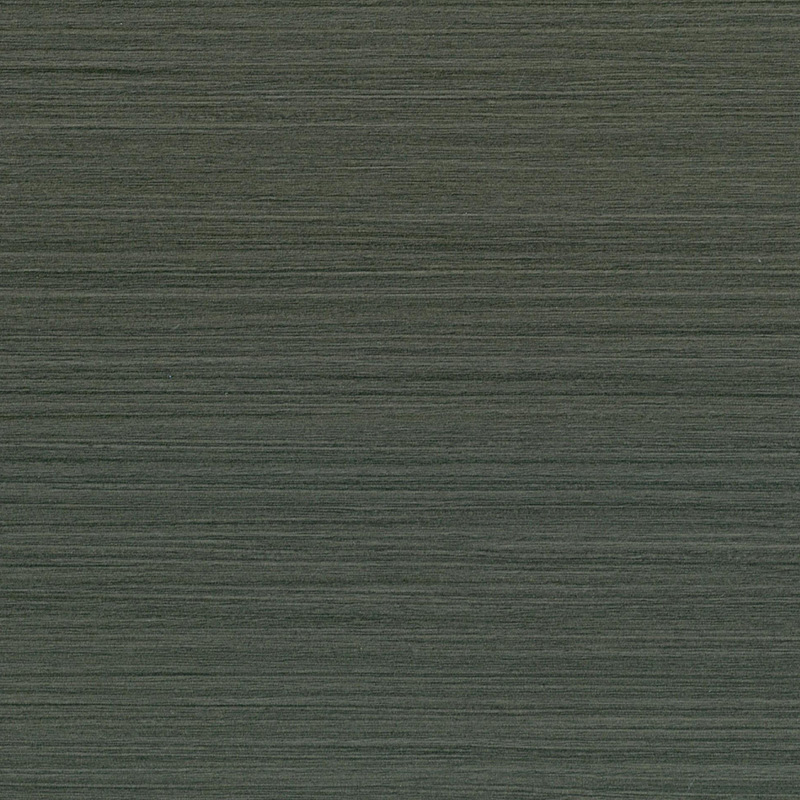
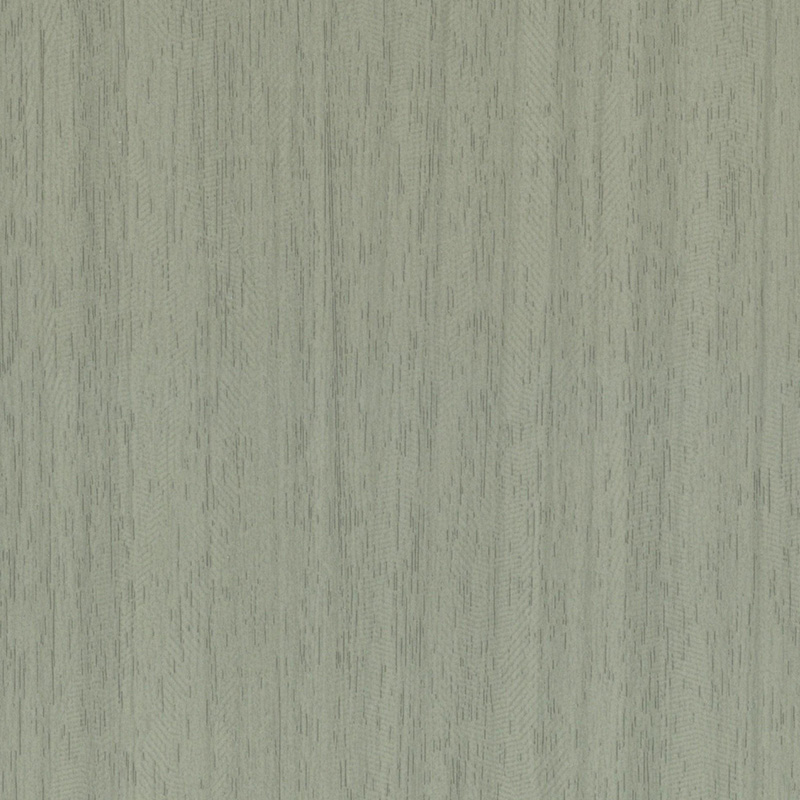
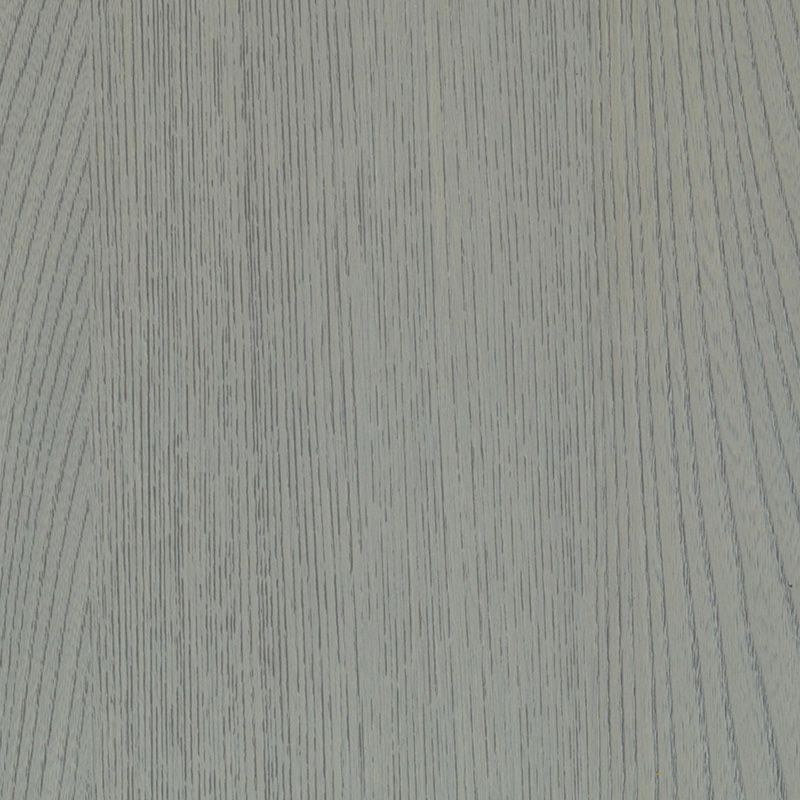
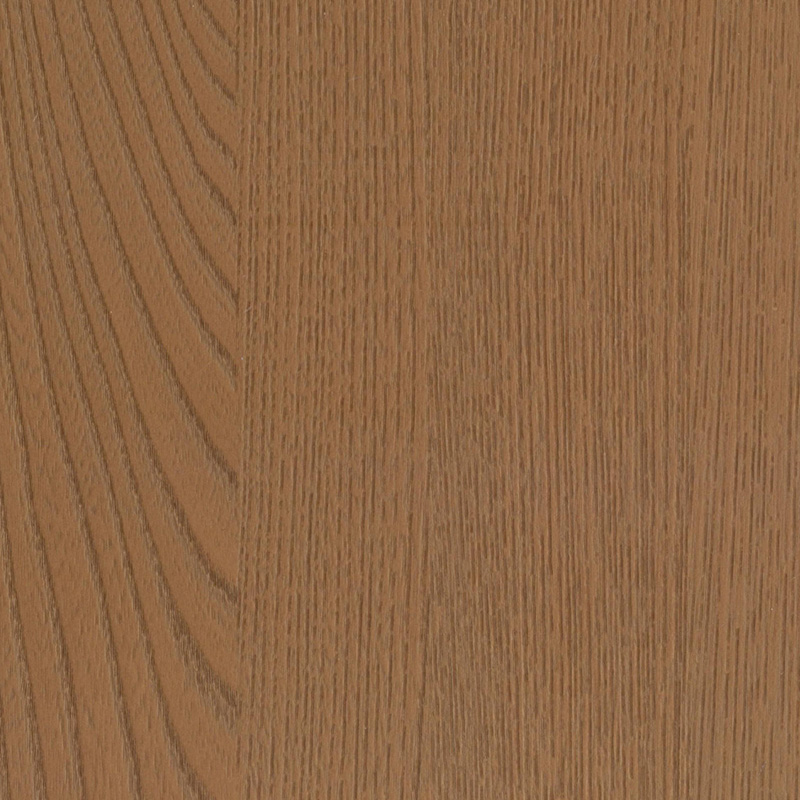
At the heart of this growing adoption is the remarkable aesthetic range that modern PVC film for door applications provides. Advanced printing technologies now reproduce natural materials with exceptional accuracy, allowing doors to display the rich grain patterns of oak, walnut, cherry, and other prized hardwoods at a fraction of the cost. Stone and concrete looks bring industrial-chic aesthetics to interior doors without the weight and expense of genuine materials. Solid colors in virtually any hue allow designers to execute precise color schemes without the inconsistencies often encountered with painted finishes. This visual versatility means that PVC film for door applications can satisfy virtually any design direction.
The tactile quality of PVC film for door applications has improved dramatically alongside visual realism. Embossing techniques create surface textures that mimic the feel of real wood grain, the smoothness of painted surfaces, or the subtle character of natural materials. This haptic authenticity enhances the overall impression, making PVC film for door applications difficult to distinguish from the materials they simulate without close inspection. For applications where doors will be touched regularly, this realistic feel contributes significantly to user satisfaction.
Durability considerations make PVC film for door applications particularly attractive in high-traffic environments. Doors endure repeated contact with hands, cleaning equipment, and incidental impacts that can mar painted surfaces or damage natural veneers. Modern PVC film for door applications incorporates wear-resistant topcoats that resist scratching, scuffing, and abrasion far better than traditional finishes. When impacts occur, the film's flexibility helps absorb energy without cracking or chipping, maintaining appearance over extended service life. This durability translates to reduced maintenance requirements and lower lifecycle costs compared to alternatives.
Moisture resistance represents a significant advantage of PVC film for door applications in humid environments. Bathrooms, kitchens, and entryways expose doors to moisture levels that can cause painted surfaces to blister or natural wood to swell and warp. PVC film for door applications provides an impermeable barrier that protects the underlying door core from moisture intrusion, maintaining dimensional stability and appearance even in challenging conditions. This moisture resistance has expanded the applicability of film-finished doors into areas where traditional door finishes might fail prematurely.
As construction costs continue to rise and demand for design flexibility increases, PVC film for door applications offers an attractive combination of aesthetics, performance, and value. The ongoing refinement of materials and processes ensures that these products will continue to capture applications previously dominated by painted finishes and natural veneers. From residential remodels to large-scale commercial projects, PVC film for door applications delivers the appearance designers seek with the durability owners require.


 No.3 Guangfu \Road, Hecun Town, Jiangshan City, Zhejiang Province, China
 +86-15700041115

Copyright © Zhejiang Jiahong Decoration Material Co., Ltd. All Rights Reserved
