
 English
 русский
 Español
 عربى
عربى Deutsch
High-Definition Decorative Film Replicates Wood and Stone Realistically
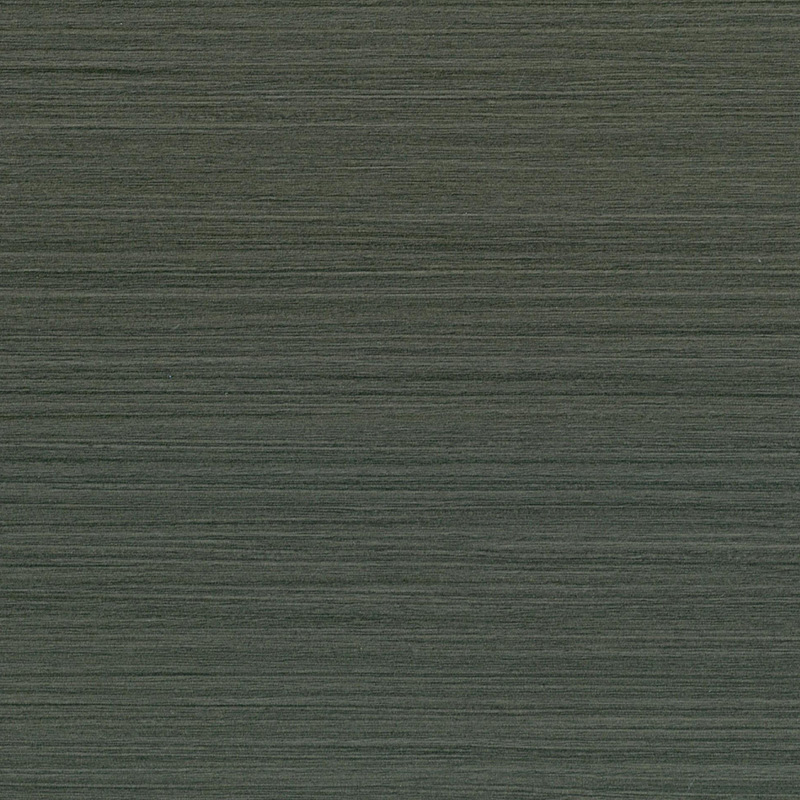
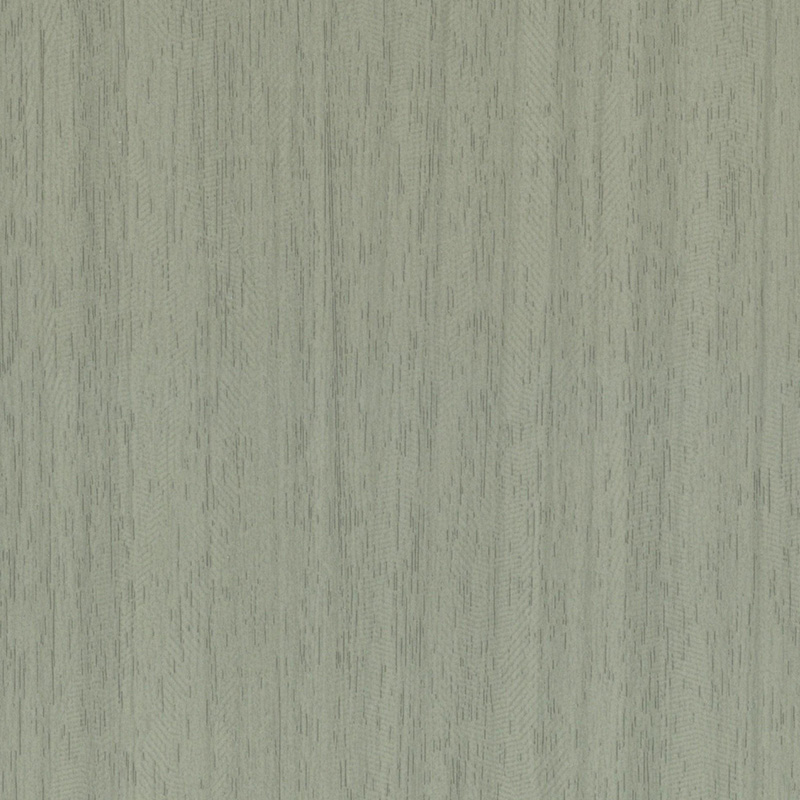
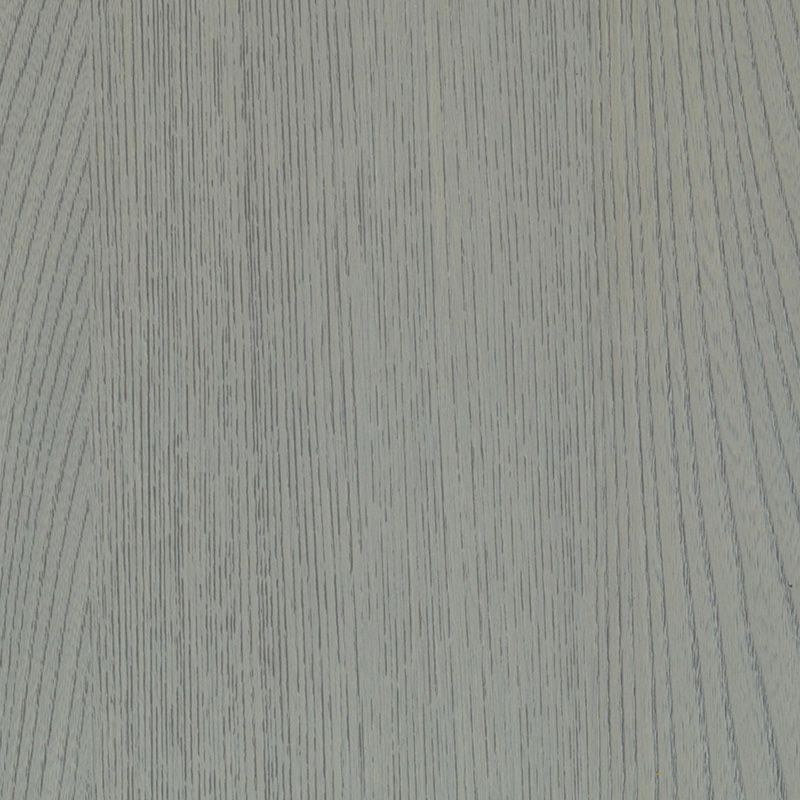
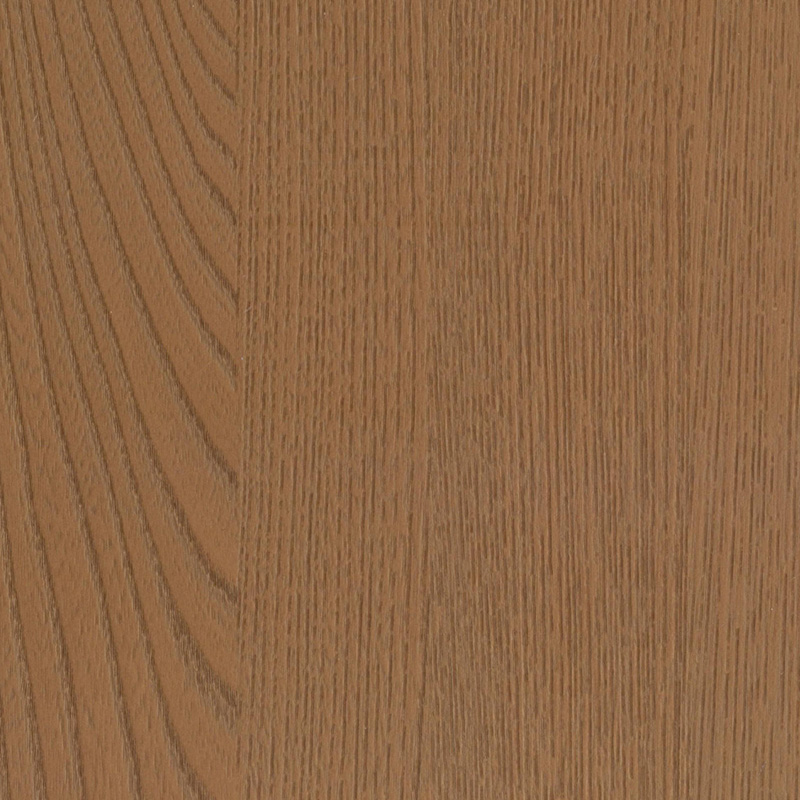
The high-definition decorative film has emerged as a popular choice for furniture manufacturers, cabinet makers, and interior designers seeking cost-effective surface finishes. Unlike standard decorative films with limited pattern clarity, high-definition decorative film uses advanced printing technology to reproduce wood grain, stone, and abstract designs with sharp detail. Furniture producers have selected high-definition decorative film for its ability to mimic natural materials at a fraction of the cost. The visual quality of high-definition decorative film explains its growing presence in ready-to-assemble furniture and kitchen cabinetry. Film manufacturers continue to develop high-definition decorative film with improved print resolution and texture replication.
Printing technology for high-definition decorative film involves multiple color stations and precise registration. A rotogravure printing press produces high-definition decorative film with consistent color across large production runs. The resolution of high-definition decorative film typically reaches 300 to 600 dots per inch for fine detail reproduction. A digital printing process for high-definition decorative film allows shorter runs and custom pattern creation. The ink formulation used in high-definition decorative film resists fading from UV exposure over years of use. A color management system ensures that high-definition decorative film matches design specifications across different production batches.
Texture embossing adds tactile realism to high-definition decorative film. An embossing roll presses surface texture into high-definition decorative film synchronised with the printed pattern. The grain direction of high-definition decorative film texture should align with the printed image for realistic appearance. A registered embossing process for high-definition decorative film places texture exactly over corresponding print elements. The depth of texture on high-definition decorative film ranges from subtle to pronounced depending on product grade. A high-definition decorative film with matched texture and print fools even close visual inspection.
Substrate materials for high-definition decorative film include PVC, PET, and polypropylene. A PVC-based high-definition decorative film offers flexibility for curved surfaces and profiled edges. A PET high-definition decorative film provides higher heat resistance for applications requiring durability. The thickness of high-definition decorative film ranges from 0.10 to 0.40 millimeters depending on intended use. A thinner high-definition decorative film wraps around corners more easily on cabinet doors. A thicker high-definition decorative film resists tearing during application on large panels.
Application methods for high-definition decorative film include heat pressing and adhesive lamination. A vacuum press applies high-definition decorative film to profiled surfaces such as raised panel doors. The temperature for applying high-definition decorative film typically ranges from 110 to 160 degrees Celsius. A pressure-sensitive adhesive version of high-definition decorative film allows room temperature application for DIY projects. The adhesion strength of high-definition decorative film must withstand daily cleaning and temperature changes. A properly applied high-definition decorative film shows no bubbles or edge separation.
Durability properties of high-definition decorative film suit residential and commercial use. A scratch-resistant coating on high-definition decorative film protects against daily wear from cleaning and contact. The stain resistance of high-definition decorative film allows removal of marker, food, and grease marks. A high-definition decorative film with lightfastness rating of 6 or higher resists color change from sunlight. The abrasion resistance of high-definition decorative film is measured in cycle counts on test equipment. A high-definition decorative film for kitchen cabinets should withstand frequent wiping without surface degradation.
High-definition decorative film will likely continue gaining share from natural materials in furniture manufacturing. Advances in print resolution may make high-definition decorative film indistinguishable from real wood. For manufacturers seeking realistic surfaces at practical costs, high-definition decorative film offers a proven solution.


 No.3 Guangfu \Road, Hecun Town, Jiangshan City, Zhejiang Province, China
 +86-15700041115

Copyright © Zhejiang Jiahong Decoration Material Co., Ltd. All Rights Reserved
