
 English
 русский
 Español
 عربى
عربى Deutsch
How Versatile Is PVC Decorative Film in Projects?
PVC decorative film provides a practical way to update and enhance surfaces in homes and commercial spaces. This material applies to furniture, cabinetry, doors, and walls to create new looks without major structural changes. Its flexibility and range of patterns make it a common choice for renovation and design projects. Beyond appearance, the film also adds a layer of surface protection, helping guard against scratches and moisture while keeping installation quick and straightforward compared to traditional refinishing methods used on similar surfaces.
Material Properties of PVC Decorative Film
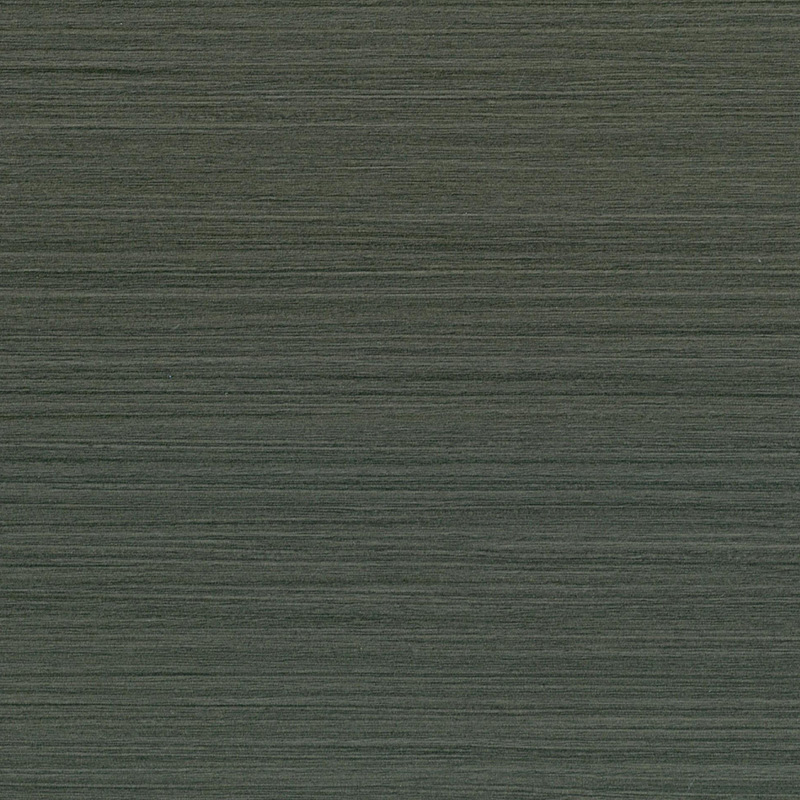
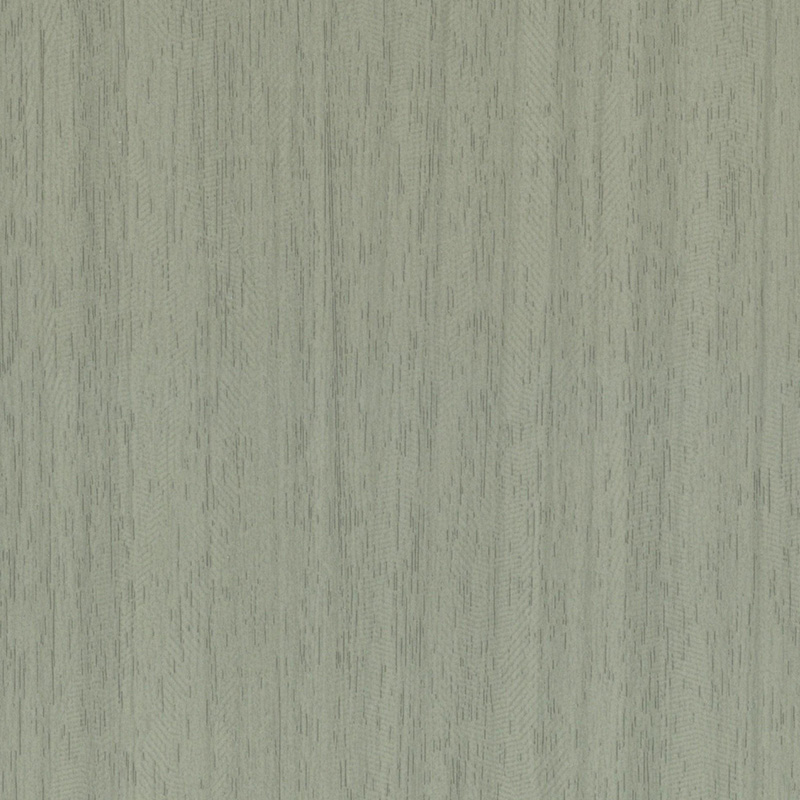
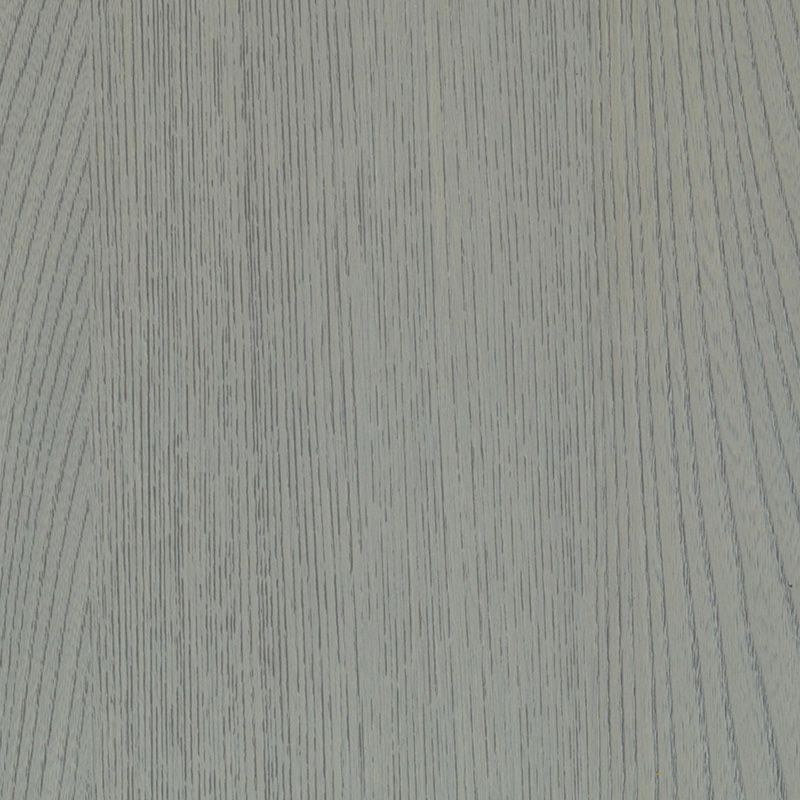
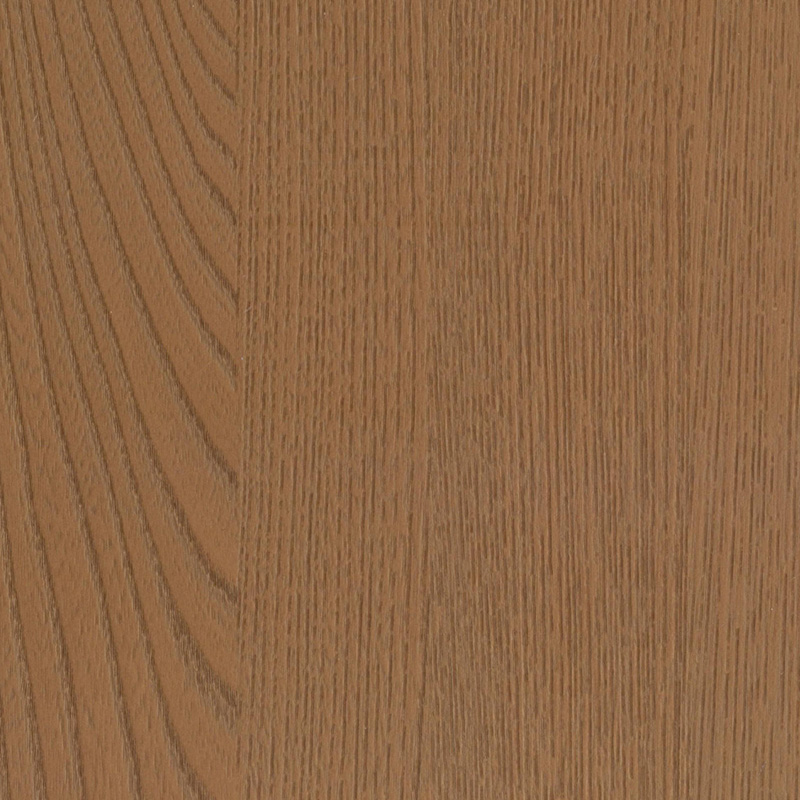
PVC decorative film consists of layers that offer flexibility and adhesion to different substrates. The surface can feature wood grains, stone patterns, or solid colors that mimic other materials. Manufacturers produce the film in various thicknesses to suit specific application needs.
This composition allows the film to conform to curves and flat areas alike. The material resists everyday wear while maintaining its appearance during normal use in living spaces. Its lightweight nature supports easy handling during installation on vertical and horizontal surfaces.
Application Techniques for PVC Decorative Film
Workers apply PVC decorative film using heat and pressure to ensure smooth bonding to the base surface. Careful alignment prevents air pockets and creates a uniform finish across the area. The process works on furniture pieces, wall panels, and door fronts with consistent results.
Technicians trim excess film along edges for a clean look that integrates with surrounding elements. The film adapts to different shapes, making it suitable for both simple and more detailed projects in residential and office environments.
Uses in Furniture and Cabinetry
PVC decorative film covers tabletops, shelves, and drawer fronts to refresh their appearance. In kitchen and bathroom cabinetry, the film provides a coordinated look across multiple units. The material allows for matching or contrasting effects that tie design elements together.
Designers use the film to update older pieces and bring them into line with current styles. The covering protects the underlying surface while adding visual interest through texture and pattern choices. This approach supports cost-effective updates to living spaces.
Role in Wall and Door Treatments
On walls, PVC decorative film creates accent panels or full coverings that add dimension to rooms. Door surfaces receive the film to match surrounding cabinetry or create focal points in entryways. The application transforms plain surfaces into features that contribute to the room’s character.
The film works well in high-traffic areas where durability matters. Its patterns can simulate natural materials or introduce geometric designs that enhance interior layouts. This versatility supports creative approaches to space division and decoration.
Integration in Design Projects
PVC decorative film combines with other materials such as wood, glass, and metal in complete interior schemes. The film’s patterns and textures complement lighting and furnishings within the space. Designers select films that align with the overall theme of a room or building.
This material supports quick updates during renovations or new constructions. The range of available options allows coordination across multiple elements in a single project. Its application contributes to cohesive designs that feel complete and intentional.
PVC decorative film continues to serve as a useful option for surface enhancement in various settings. Its adaptability and range of appearances support creative work in homes and professional environments.


 No.3 Guangfu \Road, Hecun Town, Jiangshan City, Zhejiang Province, China
 +86-15700041115

Copyright © Zhejiang Jiahong Decoration Material Co., Ltd. All Rights Reserved
