
 English
 русский
 Español
 عربى
عربى Deutsch
PVC Decorative Film Transforms Ordinary Panels Quickly
PVC decorative film has become a standard surface material across furniture manufacturing, interior fit-out, and architectural finishing. It shows up on kitchen cabinet doors, wardrobe panels, office furniture, retail fixtures, wall cladding, and door skins — anywhere a durable, visually consistent surface finish is needed at a production scale that natural materials like wood veneer or stone simply can't match. Understanding what the material is made from, how it's produced, and where it performs well helps manufacturers, designers, and procurement teams make better material decisions.
Surface Decoration: How PVC Decorative Film Gets Its Appearance
The decorative layer is what people actually see and respond to, and it's where a significant amount of manufacturing sophistication goes into the product:
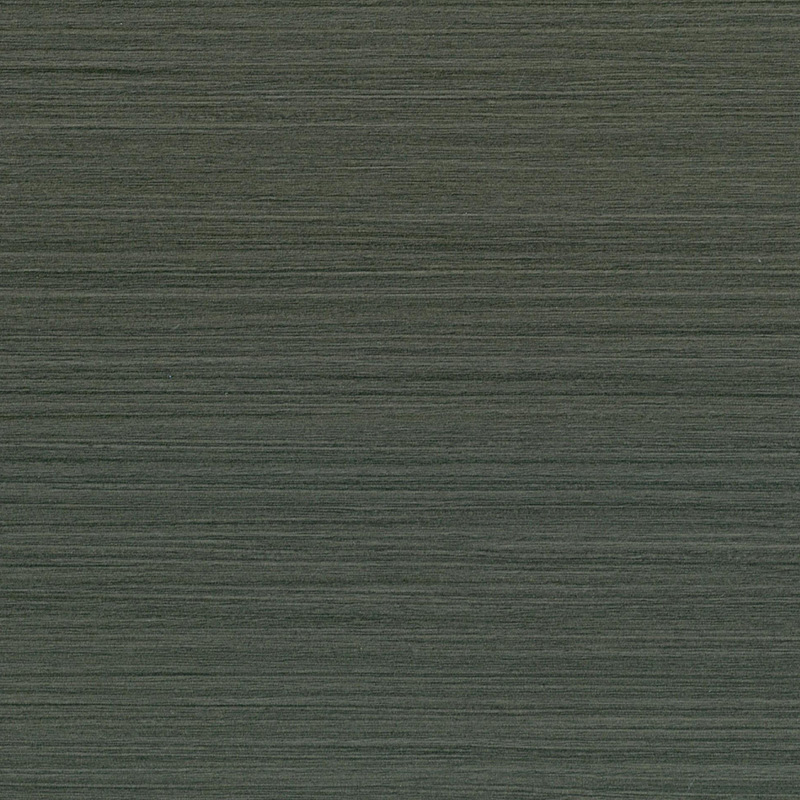
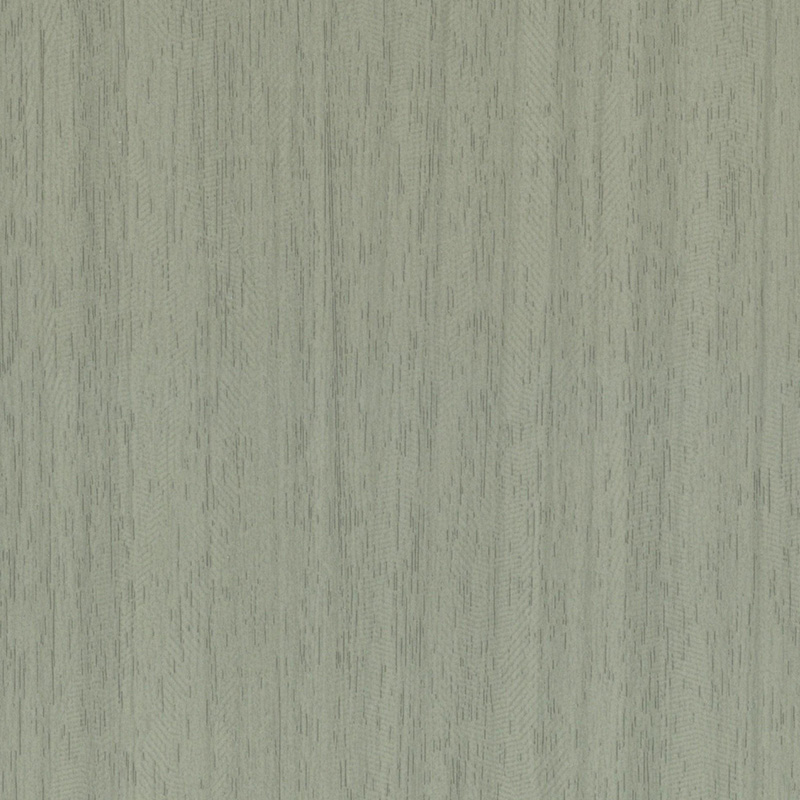
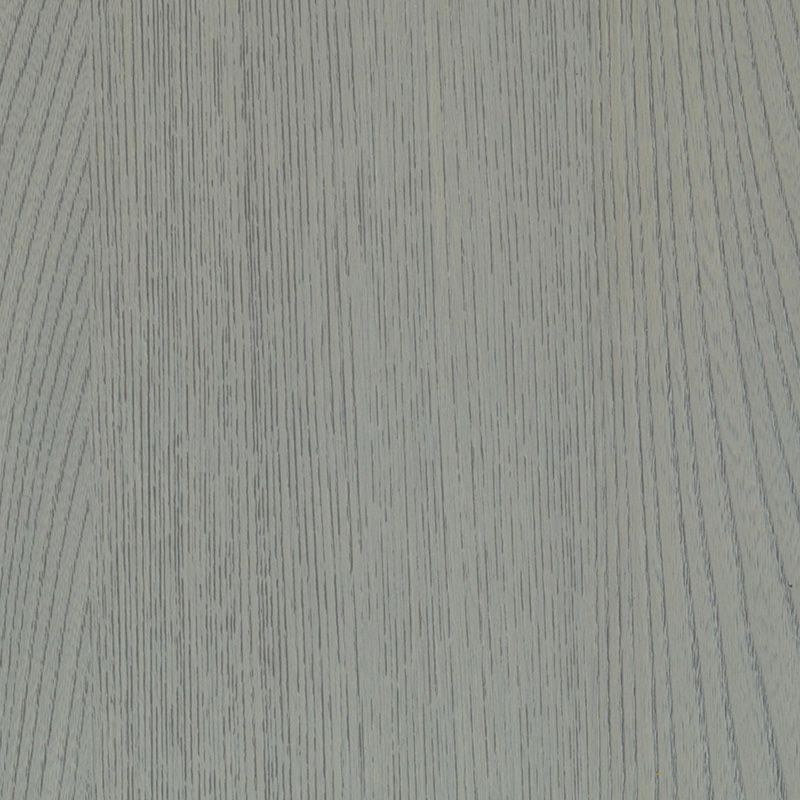
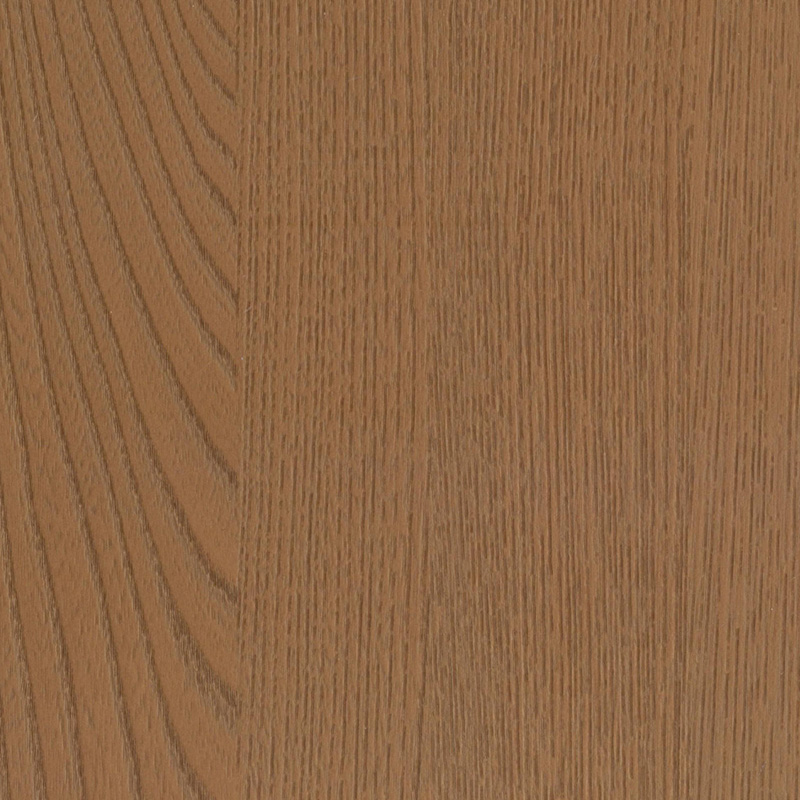
- Printing: Gravure printing is the standard process for applying decorative patterns to PVC film at scale. Wood grain patterns — oak, walnut, maple, pine, and many others — are reproduced with high resolution and color consistency across large production runs. Stone and marble effects, abstract patterns, and solid colors are all achievable through the same process.
- Embossing: After printing, the film surface is embossed with a textured pattern using engraved rollers under heat and pressure. Embossing adds tactile depth that reinforces the visual pattern — a wood grain print combined with a matched wood pore emboss produces a surface that reads as convincingly natural both visually and to the touch.
- Synchronous embossing: A more precise technique where the emboss pattern is registered exactly to the printed design, so the texture aligns with the visual grain or stone veining rather than running independently across the surface. This produces a more refined result in premium product categories.
- Surface coating: A protective lacquer or UV-cured coating is applied over the decorated surface to provide scratch resistance, chemical resistance, and gloss control. Coating formulation determines the final surface sheen — from high gloss through satin to matte finishes — and affects how the film performs in service.
Key Performance Characteristics
Beyond appearance, PVC decorative film is specified for a set of functional properties that determine how well it performs in real applications:
- Flexibility and formability: Films used in membrane pressing and profile wrapping need to stretch and conform around curves, routed edges, and shaped profiles without cracking, whitening, or losing adhesion. Plasticizer content and film thickness both influence formability.
- Adhesion compatibility: PVC decorative film is bonded to substrates — MDF, particleboard, plywood, PVC board, aluminum — using hot melt adhesives, solvent-based adhesives, or water-based systems depending on the lamination process. The film's back surface treatment affects how well it accepts and holds adhesive.
- Dimensional stability: A film that shrinks or expands significantly with temperature changes will cause edge lifting, surface bubbling, or joint opening in finished panels. Stable dimensional behavior over the temperature range typical of interior environments is an important quality parameter.
- Abrasion and scratch resistance: Furniture surfaces take regular physical contact. The protective coating on the film surface needs to resist everyday wear without dulling or marking noticeably over the product's service life.
PVC decorative film occupies a practical middle ground in the surface materials market — more durable and consistent than paper foil, more economical and versatile than real wood veneer, and far easier to process at scale than solid surface materials.


 No.3 Guangfu \Road, Hecun Town, Jiangshan City, Zhejiang Province, China
 +86-15700041115

Copyright © Zhejiang Jiahong Decoration Material Co., Ltd. All Rights Reserved
