
 English
 русский
 Español
 عربى
عربى Deutsch
PVC Decor Film Enhances Interior Surfaces
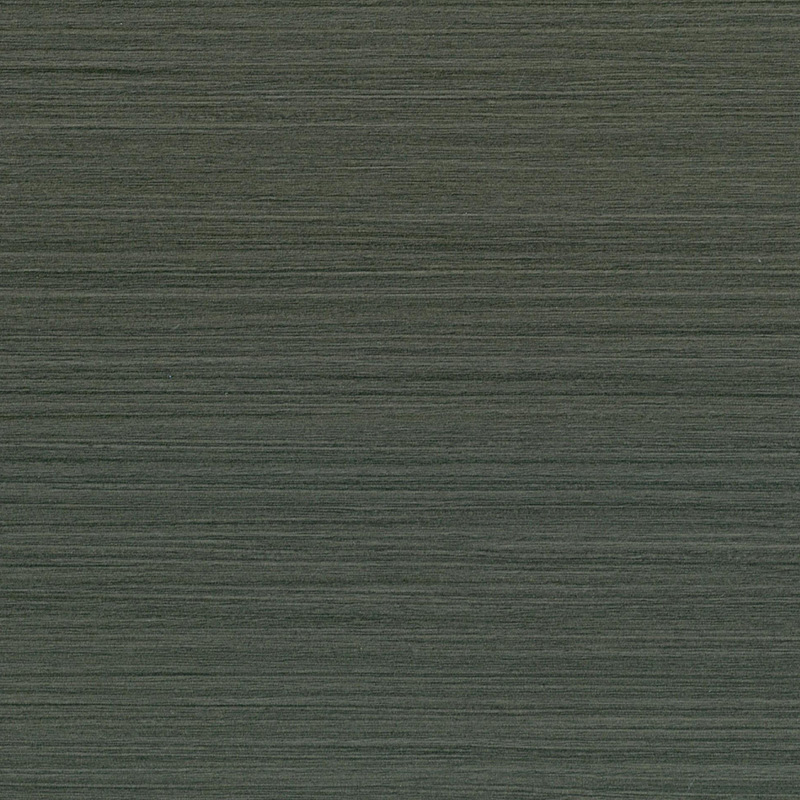
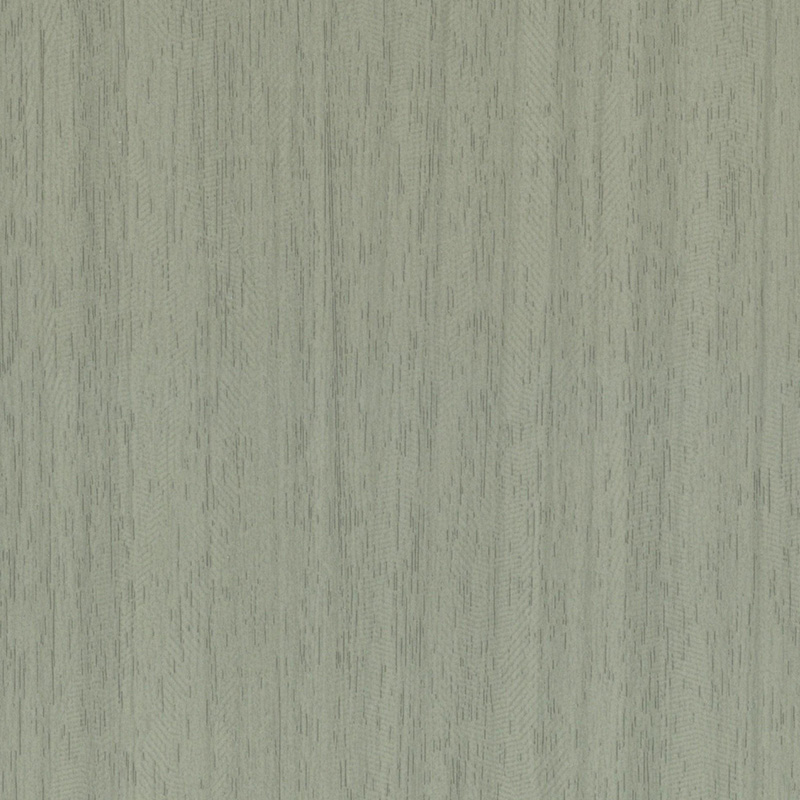
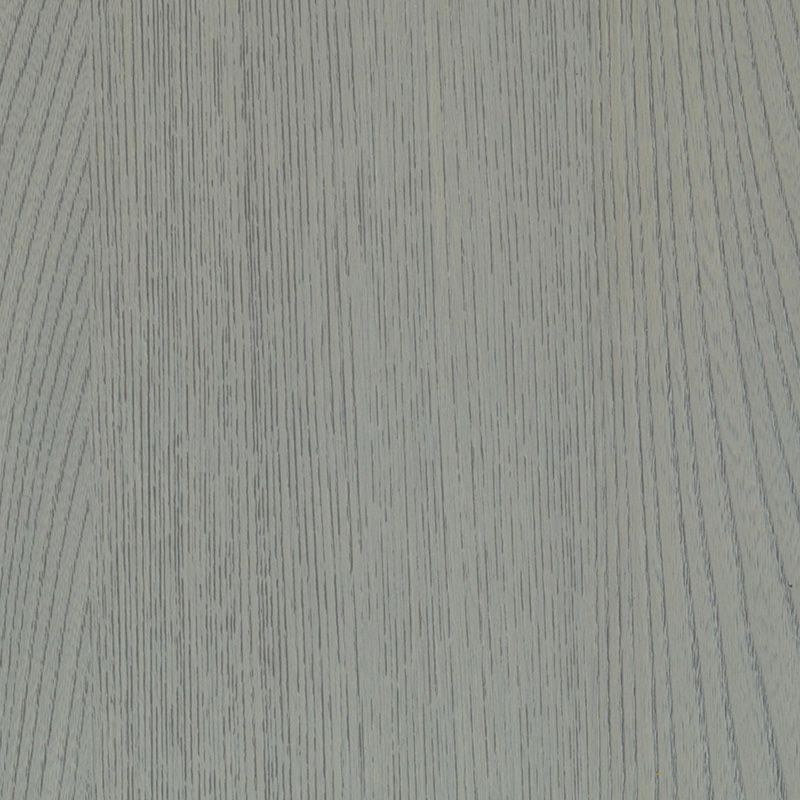
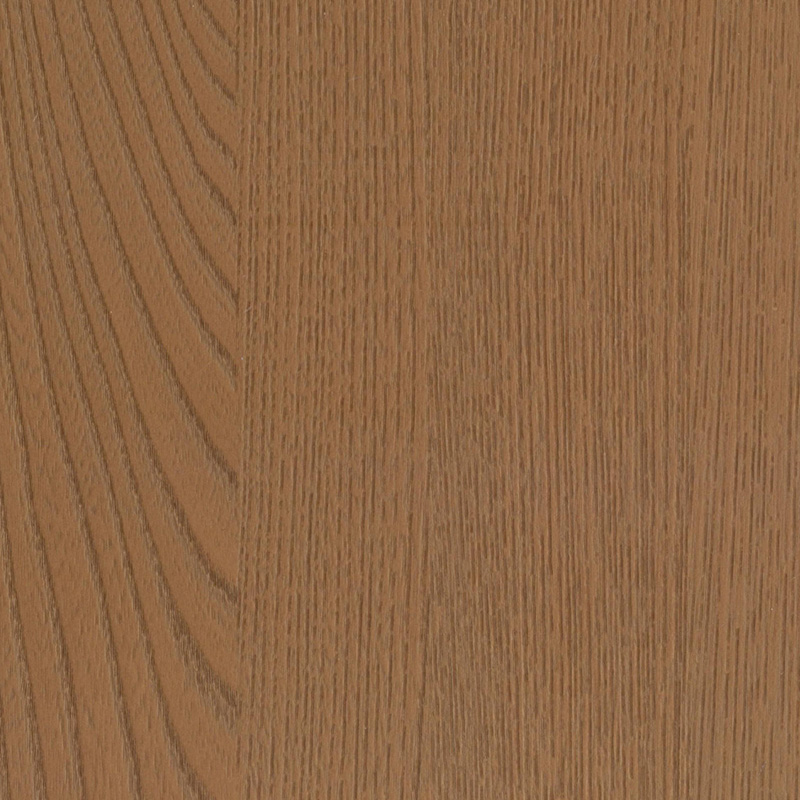
The market for interior finishes and furniture surfacing continues to seek materials that offer aesthetic appeal, durability, and cost-effectiveness. Meeting this demand is PVC Decor Film, a flexible laminated material used to cover substrates like wood, particleboard, and MDF. This thin, versatile film consists of a polyvinyl chloride (PVC) layer that is printed, textured, and finished to mimic a wide array of materials, lots of commonly wood grains, but also solid colors, metallic effects, and abstract patterns. The application of PVC Decor Film transforms standard engineered boards into visually attractive and functional components for cabinets, wardrobes, wall panels, and commercial fixtures, playing a significant role in modern interior design and manufacturing.
The production of PVC Decor Film involves a multi-step coating and printing process. A base layer of flexible PVC is produced, often with additives for UV stability, flexibility, and flame retardancy. This film then passes through sophisticated rotary printing presses that apply detailed, photorealistic patterns. To achieve the realistic tactile feel of wood or other textures, the film is commonly embossed using engraved rollers, with the embossing pattern carefully registered to align with the printed design. A final wear-resistant top coat, often a polyurethane or acrylic layer, is applied to protect the print from scratches, stains, and fading. This results in a durable, ready-to-use PVC Decor Film that is supplied in large rolls for high-volume laminating processes.
The primary application of PVC Decor Film is in the furniture and interior cladding industries through a process called laminating or foiling. The film is bonded to sheet substrates using adhesives under heat and pressure. For flat sheets, this is often done on continuous laminating presses. For finished, three-dimensional cabinet components and door profiles, the PVC Decor Film can be applied using vacuum membrane presses or edgebanding machines. This process allows manufacturers to create furniture with consistent, high-definition surfaces without the cost, variability, and maintenance associated with natural wood veneers or solid wood. Beyond cabinetry, PVC Decor Film is used for wall cladding in commercial spaces, decorative surfaces on doors, and as a finishing material for store fixtures and exhibition stands.
Several key advantages have solidified the position of PVC Decor Film in the market. is its design versatility and consistency. It provides access to an almost limitless library of colors and patterns that would be impossible or prohibitively expensive with natural materials, with superb uniformity across any production run. Second, the surface is highly practical: it is easy to clean, resistant to moisture and many household chemicals, and does not require periodic sealing or polishing like wood. This makes PVC Decor Film an outstanding choice for kitchen and bathroom cabinets. Furthermore, it is a cost-effective solution that allows for stylish furniture at accessible price points, driving its adoption in both residential and contract furniture segments.
The evolution of PVC Decor Film is influenced by design trends, performance demands, and environmental considerations. There is a growing interest in developing films with even more realistic, deep-textured effects and in matte, soft-touch finishes. On the performance side, improvements in top-coat technology continue to enhance scratch and stain resistance. Environmental factors are also shaping the industry, with increased focus on PVC Decor Film products that are phthalate-free and on recycling initiatives for production waste. As digital printing technology advances, it enables even shorter runs and greater customization, allowing for bespoke designs.


 No.3 Guangfu \Road, Hecun Town, Jiangshan City, Zhejiang Province, China
 +86-15700041115

Copyright © Zhejiang Jiahong Decoration Material Co., Ltd. All Rights Reserved
