
 English
 русский
 Español
 عربى
عربى Deutsch
PVC Furniture Film Drives Versatile Surface Solutions
In the dynamic world of furniture production, from mass-market flat-pack items to custom cabinetry and commercial fixtures, a key material enables both aesthetic diversity and functional durability: PVC furniture film. This engineered laminate, made from polyvinyl chloride, is applied to substrates like medium-density fibreboard, particleboard, or plywood to create the finished surface of countless furniture pieces. Far more than a simple coating, PVC furniture film offers manufacturers a versatile, cost-effective, and high-performance solution for achieving desired styles, textures, and protective qualities without relying on traditional veneers or paint.
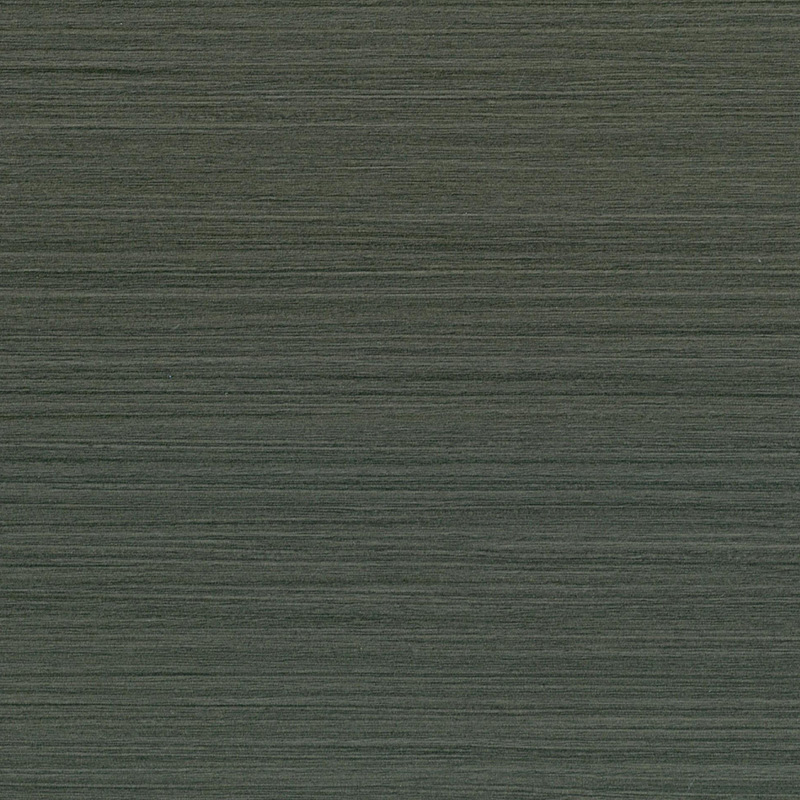
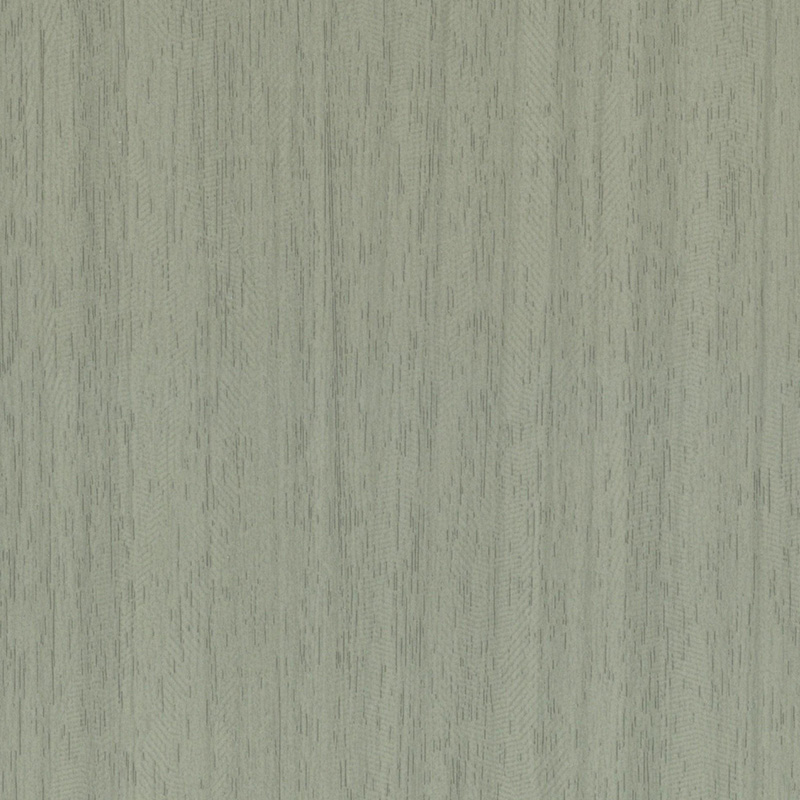
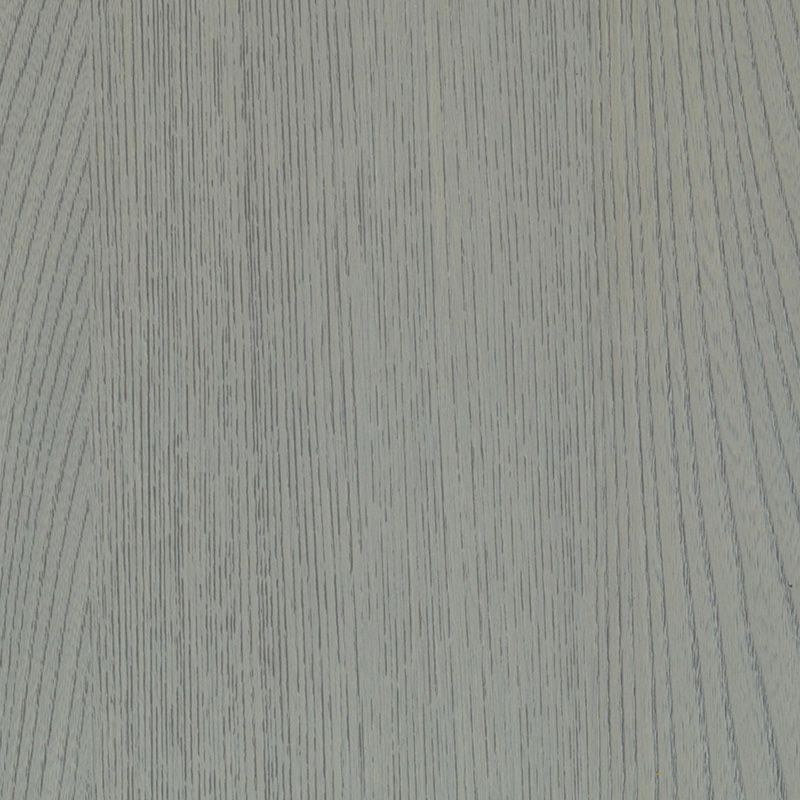
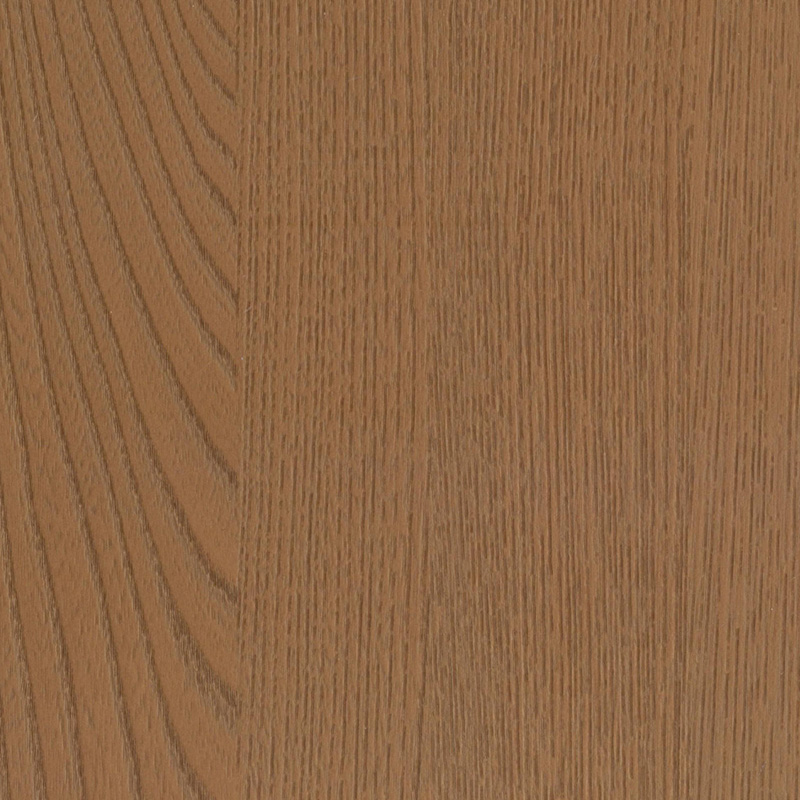
The primary role of PVC furniture film is to act as a durable and decorative skin. Through a lamination process involving heat and pressure, the film is permanently bonded to the engineered wood core. This transforms a plain, functional panel into a finished component that can mimic the appearance of natural wood grain, stone, solid colors, or abstract patterns. The technology behind PVC furniture film allows for an extraordinary range of visual effects—from high-gloss lacquered looks to textured matte finishes and precise reproductions of oak, walnut, or maple—all with remarkable consistency, which is difficult to achieve with natural materials. This consistency is crucial for large production runs.
A significant advantage driving the use of PVC furniture film is its balance of performance and economics. Compared to solid wood or real wood veneer, PVC furniture film provides a more affordable route to attractive furniture, making stylish design accessible to a broader market. From a functional standpoint, the film creates a highly practical surface. It is generally resistant to scratches, stains, moisture, and fading, making furniture finished with PVC furniture film suitable for demanding environments like kitchens, bathrooms, offices, and healthcare facilities. The surface is also easy to clean and maintain, a key selling point for consumers.
The application of PVC furniture film is ubiquitous across the industry. It is the standard finish for ready-to-assemble furniture for bedrooms, living rooms, and home offices. Kitchen and bathroom cabinets extensively utilize PVC furniture film, often in woodgrain or solid color finishes, for door fronts and side panels. In commercial settings, such as hotels, restaurants, and retail stores, furniture and fixtures clad with PVC furniture film offer durability and design cohesion. The material's ability to be thermoformed also allows it to be applied to slightly curved or profiled components, expanding design possibilities beyond flat panels.
The manufacturing and composition of quality PVC furniture film involve multiple layers. A base PVC carrier holds the printed or embossed decorative layer. A clear protective top coat is added for enhanced wear and chemical resistance. The bottom features an adhesive layer activated during lamination. Advanced production techniques enable incredibly realistic textures; embossing rollers can impart a feel that closely matches the tactile grain of real wood. This attention to multi-sensory detail is what allows high-quality PVC furniture film to convincingly replicate more expensive materials.
Innovation in PVC furniture film is strongly influenced by sustainability trends and technological advancements. The industry is actively developing films with reduced environmental impact, such as those using recycled PVC content, bio-based plasticizers, or chlorine-free alternatives. Digital printing technology is revolutionizing customization, allowing for short runs of unique designs without traditional cylinder costs. As consumer expectations for durable, stylish, and responsibly made furniture continue to evolve, PVC furniture film will adapt, maintaining its central role in furniture manufacturing by offering ever-more sophisticated, sustainable, and high-performing surface solutions.


 No.3 Guangfu \Road, Hecun Town, Jiangshan City, Zhejiang Province, China
 +86-15700041115

Copyright © Zhejiang Jiahong Decoration Material Co., Ltd. All Rights Reserved
