
 English
 русский
 Español
 عربى
عربى Deutsch
PVC Film for Door Enables Affordable Surface Renewal
In the renovation of residential and commercial interiors, updating doors can be a significant undertaking. A technology that offers a cost-effective and versatile alternative to full replacement or complex refinishing is the application of PVC film for door. This specially engineered polyvinyl chloride laminate is designed to be adhered directly to the existing surface of a door, instantly transforming its appearance with a new color, pattern, or wood-grain effect. The use of PVC film for door projects represents a growing trend in quick, non-invasive upgrades, providing aesthetic enhancement, added durability, and moisture resistance to both interior and some exterior doors.
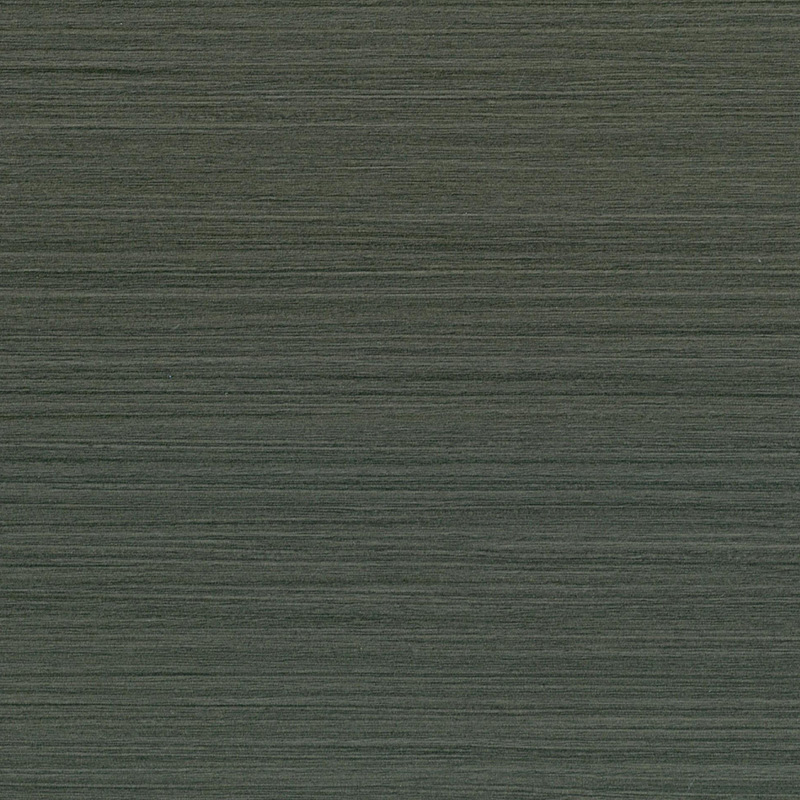
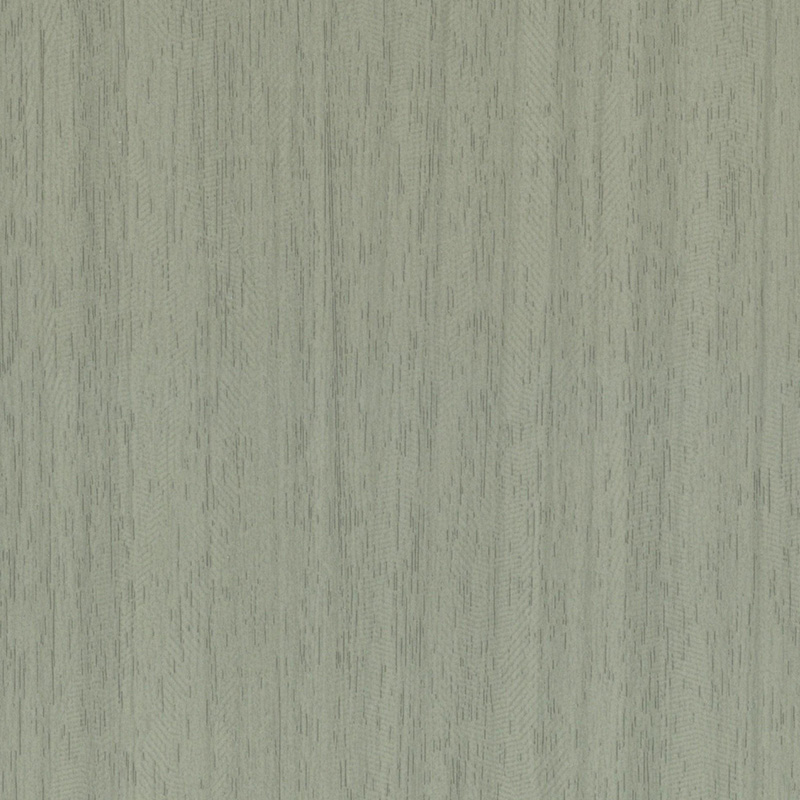
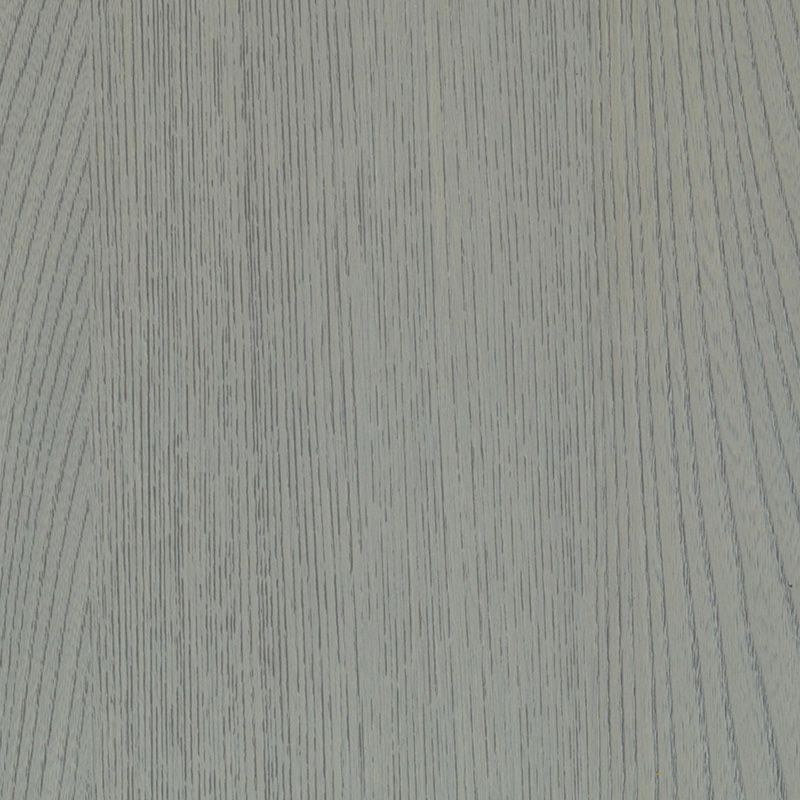
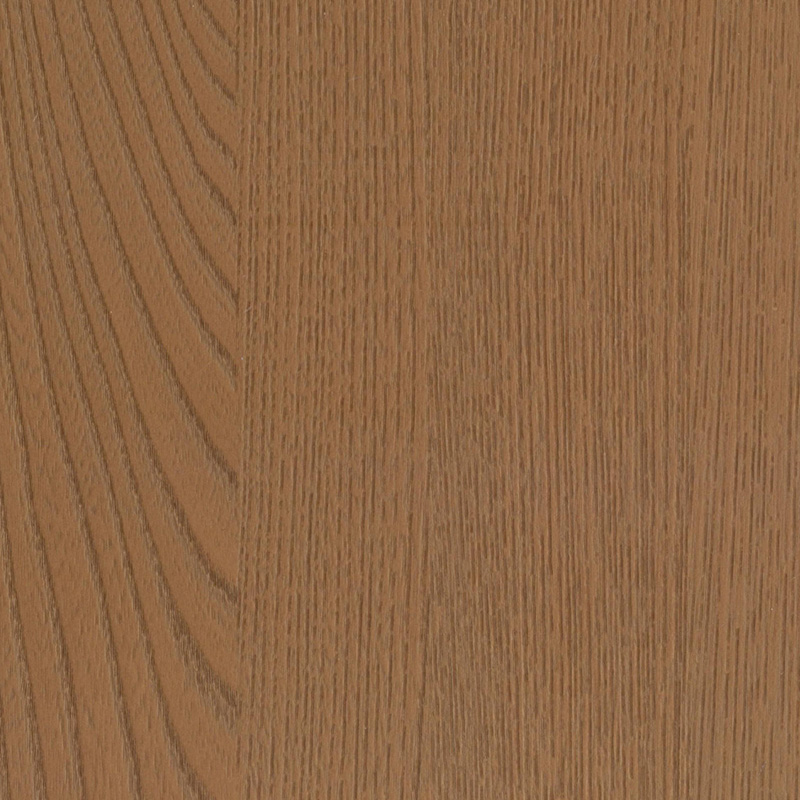
The core function of PVC film for door application is surface cladding. The thin, flexible film is supplied on rolls and is typically applied using heat activation and pressure to ensure a smooth, bubble-free, and permanent bond. This process can refresh outdated, stained, or damaged door surfaces without the dust, odor, or extended downtime associated with sanding and painting. The variety available in PVC film for door products is extensive, including realistic reproductions of oak, walnut, maple, and other wood species, as well as solid colors, metallic finishes, and textured patterns. This allows for dramatic style changes or seamless matching with existing cabinetry and trim.
The practical advantages of using PVC film for door are compelling for both homeowners and property managers. It is a significantly less expensive option than purchasing and installing a new solid wood or laminated door. The installation process is relatively quick and clean, small disruption. Once applied, the PVC film for door creates a durable, easy-to-clean surface that is resistant to scratches, stains, and moisture—making it particularly suitable for doors in kitchens, bathrooms, and high-traffic areas. It can also help protect the underlying door material from further wear and environmental damage.
The application scope for PVC film for door extends across various settings. In residential settings, it is used to update interior room doors, closet doors, and cabinet fronts for a cohesive look. In commercial and hospitality environments, such as hotels, offices, and retail spaces, PVC film for door provides an efficient way to rebrand or refresh a large number of identical doors during a remodel. It is also employed in the manufacturing sector as a finishing layer for new, mass-produced flush doors, where it offers consistent appearance and performance at a controlled cost.
Material quality and installation technique are crucial for a successful PVC film for door outcome. High-quality film features a stable PVC base, a realistic printed or embossed decorative layer, a protective top coat for durability, and a responsive adhesive backing. Professional installation requires skill to properly prepare the door surface (ensuring it is clean, smooth, and dry), to accurately cut the film, and to use the correct tools to apply heat and pressure for a superb finish without wrinkles or edge lifting.
Innovation in the PVC film for door sector is focusing on enhanced performance, sustainability, and ease of use. Developments include films with improved UV resistance for greater color fastness, textured finishes that more closely mimic real wood, and the introduction of more environmentally friendly adhesive systems. The growth of digital printing technology also allows for greater customization, enabling small batches of doors to be clad with unique designs. As the demand for affordable, low-waste renovation solutions continues to rise, PVC film for door is poised to remain a popular and evolving choice, offering a practical bridge between desire for new aesthetics and the practicalities of budget and time.


 No.3 Guangfu \Road, Hecun Town, Jiangshan City, Zhejiang Province, China
 +86-15700041115

Copyright © Zhejiang Jiahong Decoration Material Co., Ltd. All Rights Reserved
