
 English
 русский
 Español
 عربى
عربى Deutsch
PVC Film Serves Diverse Industrial and Medical Applications
From the protective shrink wrap on consumer products to the vibrant graphics on commercial signage and the durable layers in medical bags, a versatile plastic sheeting plays a foundational role: PVC film. This material, produced from polyvinyl chloride resin, is engineered into thin, flexible sheets with a wide range of properties. The adaptability of PVC film—achieved through variations in formulation, thickness, and processing—has cemented its status as an essential component across packaging, construction, healthcare, and numerous manufacturing sectors.
The core characteristics of PVC film are defined during its production. By combining PVC resin with plasticizers, stabilizers, and other additives, manufacturers can tailor the film's flexibility, clarity, strength, and resistance to elements. Rigid PVC film, containing little to no plasticizer, is strong and dimensionally stable, used for items like blister packs and credit cards. Flexible PVC film, softened with plasticizers, is supple and can be used for applications like medical tubing, inflatable products, and shower curtains. This ability to engineer specific properties from a common base material is a primary reason for the widespread adoption of PVC film.
In the realm of packaging, PVC film is a long-established material. It is commonly used for blister packs and clamshells, providing clear visibility of the product while offering a degree of tamper resistance and protection. Shrink sleeves and stretch films made from PVC film conform tightly to containers for secure bundling and eye-catching labels. While its use in certain food-contact packaging has diminished in some regions due to environmental and health considerations, PVC film remains prevalent in non-food consumer goods packaging and industrial wrapping.
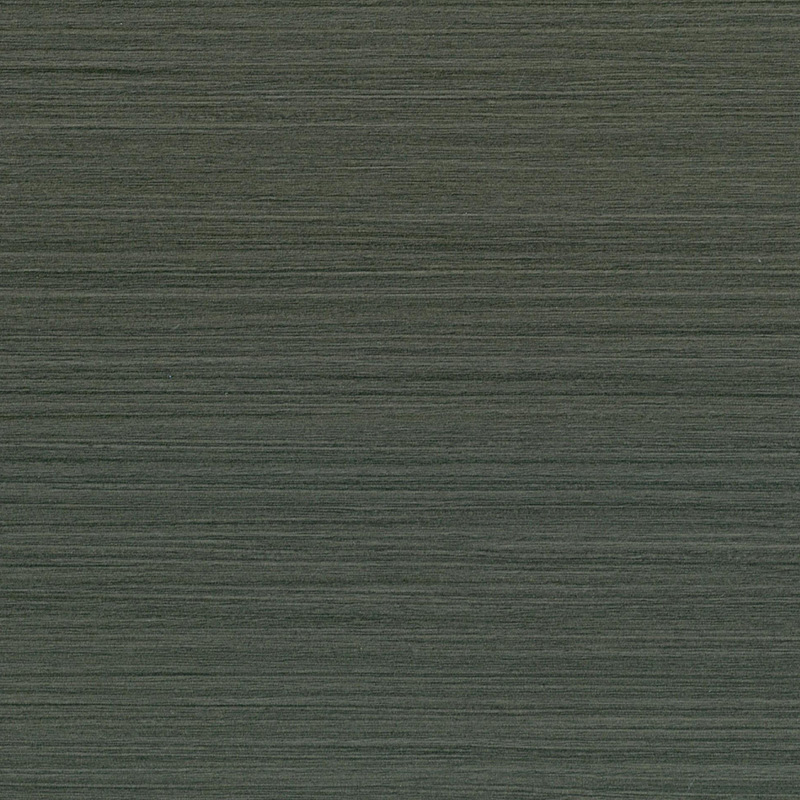
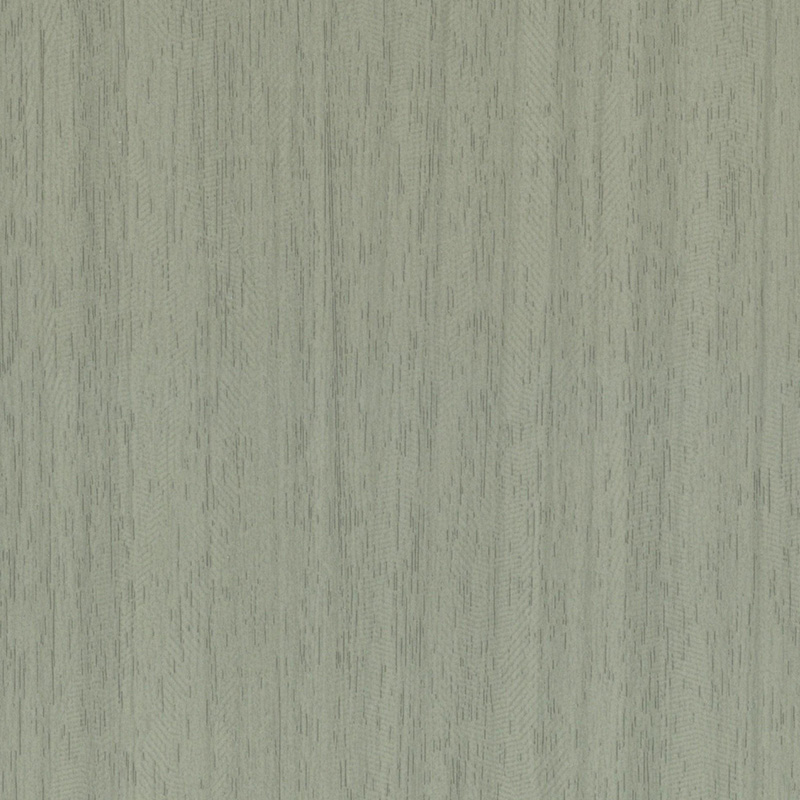
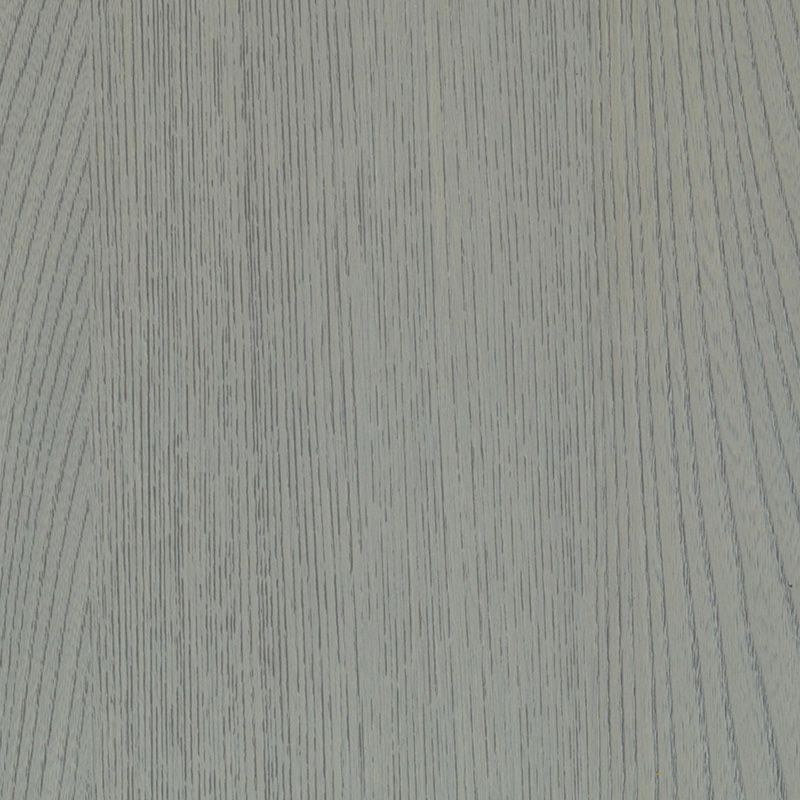
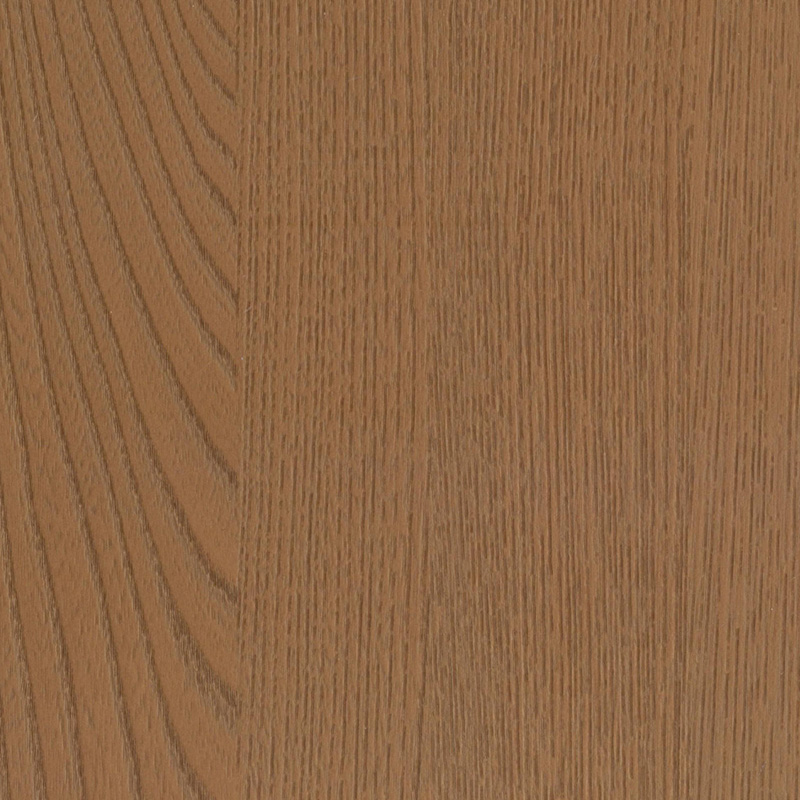
Beyond packaging, PVC film finds extensive application in construction and design. In construction, it is used as a waterproofing membrane, vapor barrier, and pond liner due to its durability and resistance to moisture. In interior design, PVC film is the base material for many wall coverings and decorative laminates applied to furniture and fixtures. The advertising and signage industry relies on printable PVC film for banners, window graphics, and vehicle wraps, valuing its flexibility, weather resistance, and ability to hold vibrant inks.
A critical and sensitive application area for specially formulated PVC film is the medical field. Medical-grade PVC film, manufactured under strict controls, is used to produce blood bags, intravenous fluid bags, and tubing. Its clarity, flexibility, sterility, and compatibility with various medical solutions have made it a staple material in healthcare for decades, although this use also invites scrutiny and drives innovation toward alternative materials in some applications.
The environmental profile of PVC film is a significant driver of both debate and innovation within the industry. Concerns center on the challenges of recycling due to chlorine content and plasticizer migration, and on the potential environmental impact of certain additives. This has spurred considerable development. Trends include creating PVC film with alternative, non-phthalate plasticizers, enhancing recyclability through mono-material structures, and increasing the use of recycled PVC content. Research into bio-based plasticizers and more efficient recycling technologies aims to improve the sustainability footprint of PVC film.
The evolution of PVC film will be shaped by regulatory pressures, material science advancements, and market demands for more sustainable solutions. While its unique combination of clarity, durability, and cost-effectiveness ensures continued use in many established applications, innovation will focus on "greener" formulations and closed-loop recycling systems. The future of PVC film lies in its ability to adapt—retaining its functional advantages while addressing environmental concerns through advanced chemistry and responsible lifecycle management.


 No.3 Guangfu \Road, Hecun Town, Jiangshan City, Zhejiang Province, China
 +86-15700041115

Copyright © Zhejiang Jiahong Decoration Material Co., Ltd. All Rights Reserved
