
 English
 русский
 Español
 عربى
عربى Deutsch
PVC Decorative Film Enables Versatile Surface Design
In the worlds of interior design, furniture manufacturing, automotive interiors, and consumer goods, achieving a specific aesthetic or protective finish often relies on a versatile and cost-effective material: PVC decorative film. This thin, flexible laminate, made from polyvinyl chloride, is engineered to be bonded to substrates like wood, metal, or medium-density fibreboard. PVC decorative film serves a dual purpose: it provides a durable, easy-to-clean surface layer while offering an immense range of colors, textures, patterns, and visual effects that would be difficult or expensive to achieve with paint or solid materials alone.
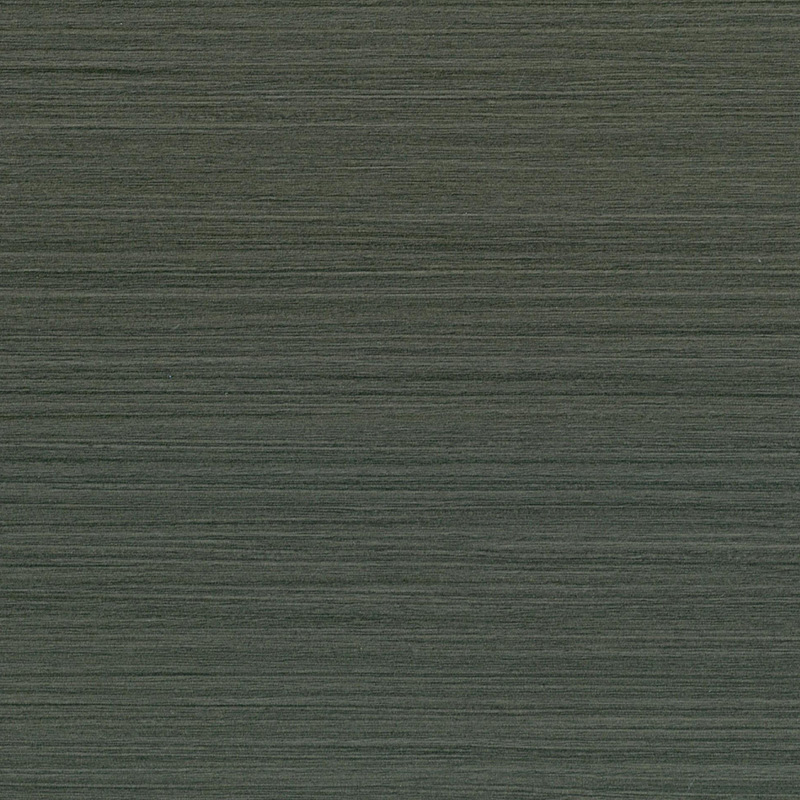
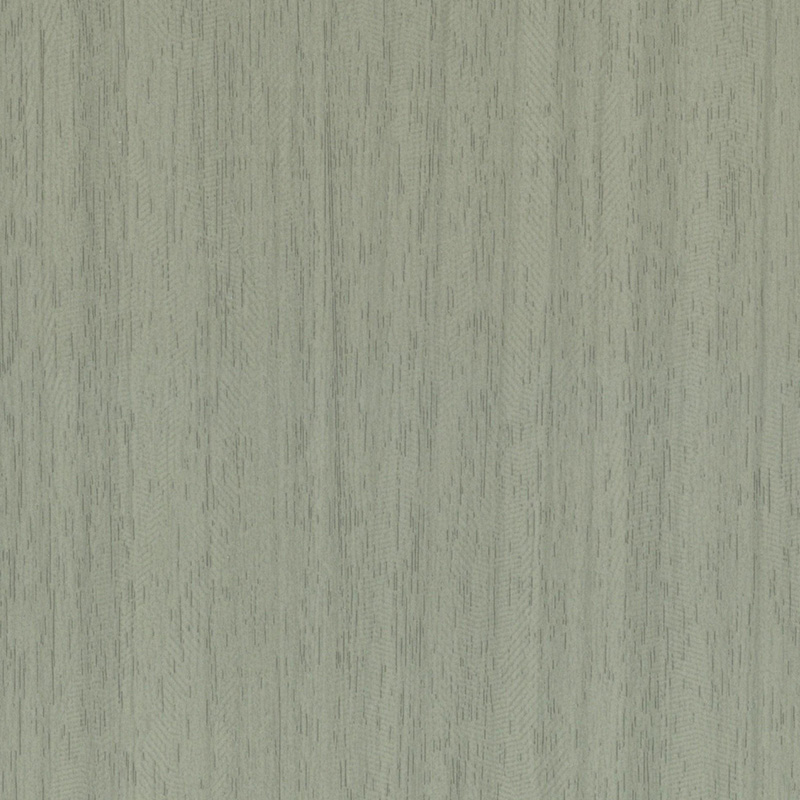
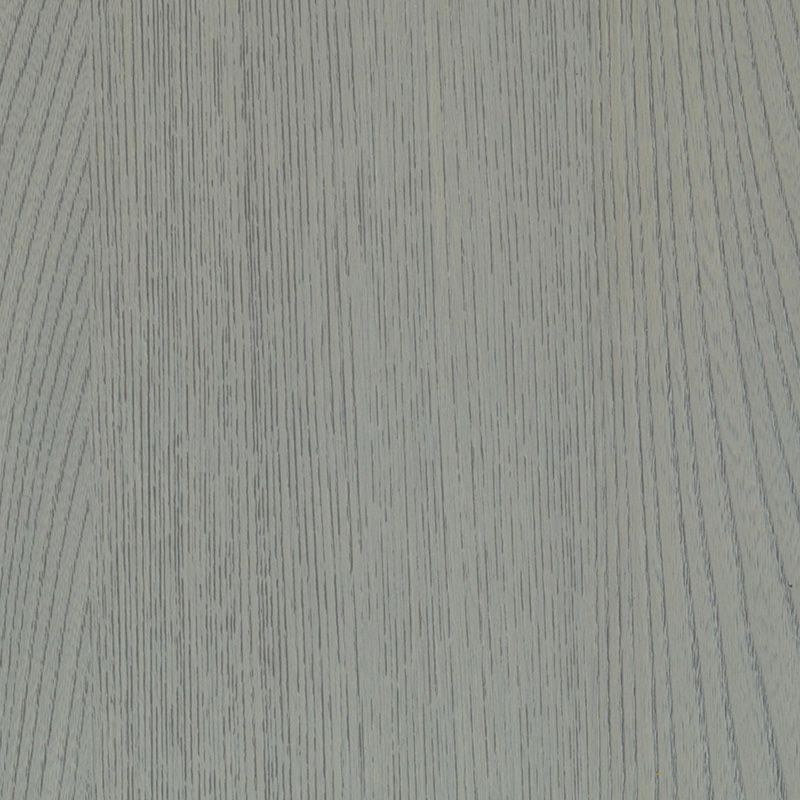
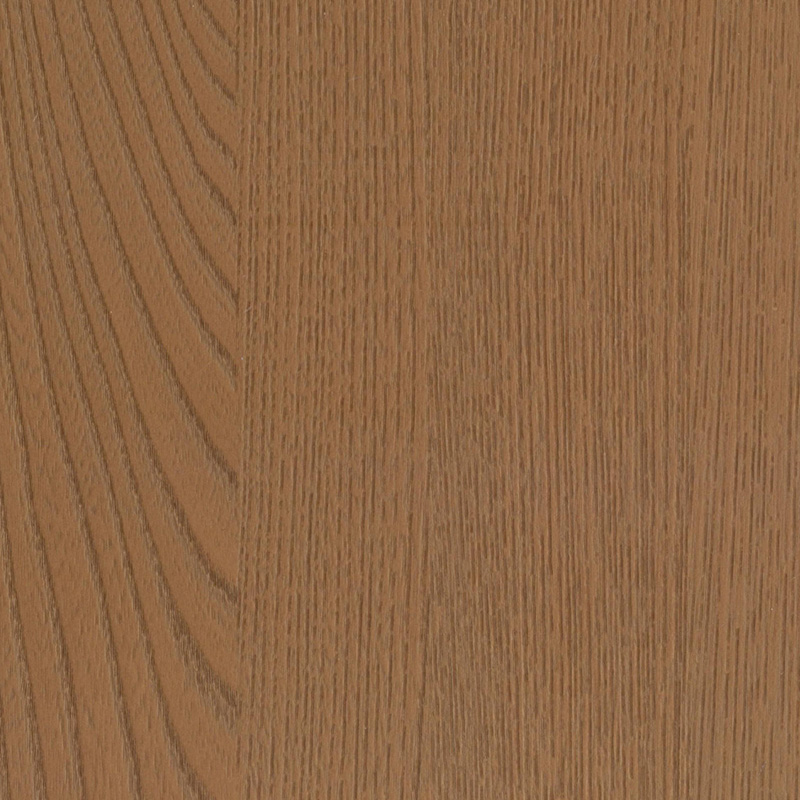
The fundamental appeal of PVC decorative film lies in its design versatility and application efficiency. Manufacturers can produce PVC decorative film in an almost limitless array of finishes. This includes solid colors, realistic wood grains and stone patterns, metallic sheens, abstract designs, and high-gloss or matte textures. This allows designers and manufacturers to transform a plain substrate into a product that looks like solid wood, brushed aluminum, marble, or any number of other materials at a fraction of the cost and weight. The application process, often involving heat, pressure, and adhesive systems, allows the PVC decorative film to conform smoothly to flat panels or gently curved surfaces, enabling high-volume, consistent finishing.
A primary application sector for PVC decorative film is in furniture and cabinetry. Kitchen cabinets, wardrobes, office furniture, and retail fixtures frequently utilize PVC decorative film as a finish over engineered wood cores. It provides a scratch-resistant, moisture-resistant, and easy-to-maintain surface that is highly suitable for high-traffic environments. In interior architecture, PVC decorative film is used to create feature walls, decorative panels, and door skins, offering a quick and impactful way to update a space without major construction. Its role extends to the automotive industry for interior trim components and to the production of appliances and electronics casings.
The construction of a quality PVC decorative film involves multiple layers, each serving a specific function. The base is a PVC carrier film, which is then printed or embossed with the desired pattern. A clear protective top coat is often applied to enhance durability, UV resistance, and ease of cleaning. The bottom side is coated with an adhesive layer, which may be activated by heat or pressure during the lamination process. Advanced manufacturing techniques allow for incredibly detailed reproduction of natural materials, with textured embossing that mimics the feel of real wood grain or leather, adding a tactile dimension to the visual appeal.
Innovation in the PVC decorative film industry is driven by demands for greater sustainability, enhanced performance, and new visual effects. Trends include the development of PVC decorative film using bio-based plasticizers or recycled PVC content, the creation of chlorine-free alternatives, and films with improved fire-retardant or anti-bacterial properties. Digital printing technology is also revolutionizing the field, enabling fully customized, short-run designs without the need for traditional printing cylinders. As the desire for personalized, durable, and aesthetically diverse surfaces continues to grow across industries, PVC decorative film is poised to remain a key enabling material, constantly evolving to meet new design challenges and environmental standards.


 No.3 Guangfu \Road, Hecun Town, Jiangshan City, Zhejiang Province, China
 +86-15700041115

Copyright © Zhejiang Jiahong Decoration Material Co., Ltd. All Rights Reserved
