
 English
 русский
 Español
 عربى
عربى Deutsch
PVC Furniture Film Suits Many Applications
Furniture makers are always looking for materials that combine visual appeal with practical handling on the production line. PVC furniture film has become one such material, giving manufacturers a way to add color, texture, and pattern to furniture surfaces without relying on traditional paint or veneer processes.
Understanding PVC Furniture Film
PVC furniture film is a decorative surface material made from polyvinyl chloride, produced in rolls and applied to substrates such as MDF, particleboard, and plywood. The film typically consists of several layers, including a printed design layer and a protective surface layer, which together create a finished look that resembles wood grain, stone, solid color, or abstract patterns. Because it comes in roll form, it can be applied using wrapping or laminating equipment, making it suitable for continuous production runs rather than piece-by-piece finishing.
Where It Fits in Production
Factories that manufacture cabinets, doors, and furniture panels often choose PVC furniture film because it integrates into automated or semi-automated finishing lines. The film is heated and wrapped around profiles or laminated flat onto panel surfaces, which allows manufacturers to cover edges, curves, and moldings in one continuous process. This is particularly useful for kitchen cabinet doors, wardrobe panels, and window and door frames, where consistent coverage across irregular shapes matters more than on flat panels alone.
Colors, Patterns, and Textures
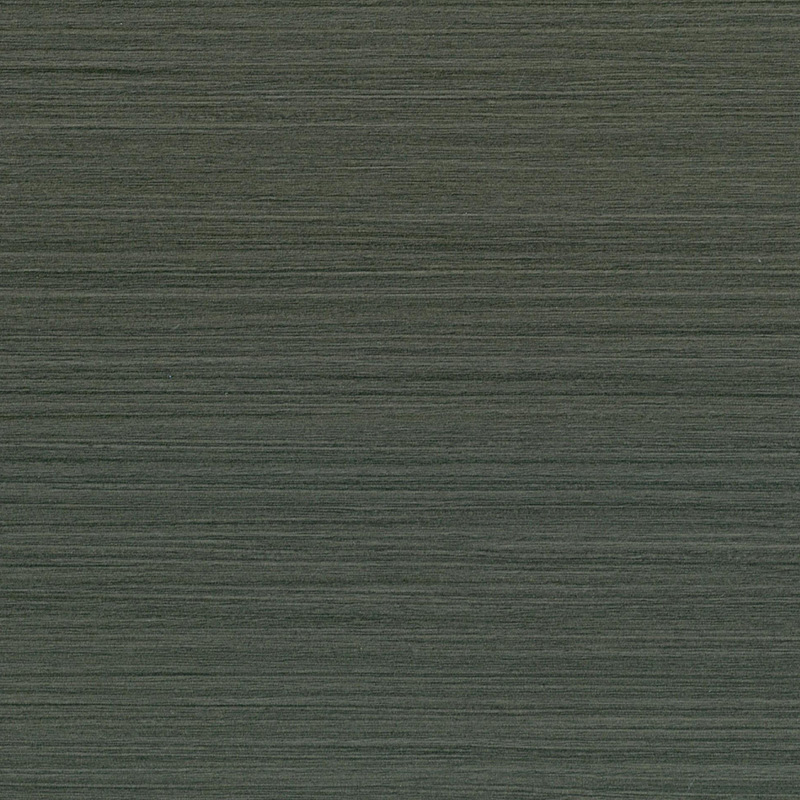
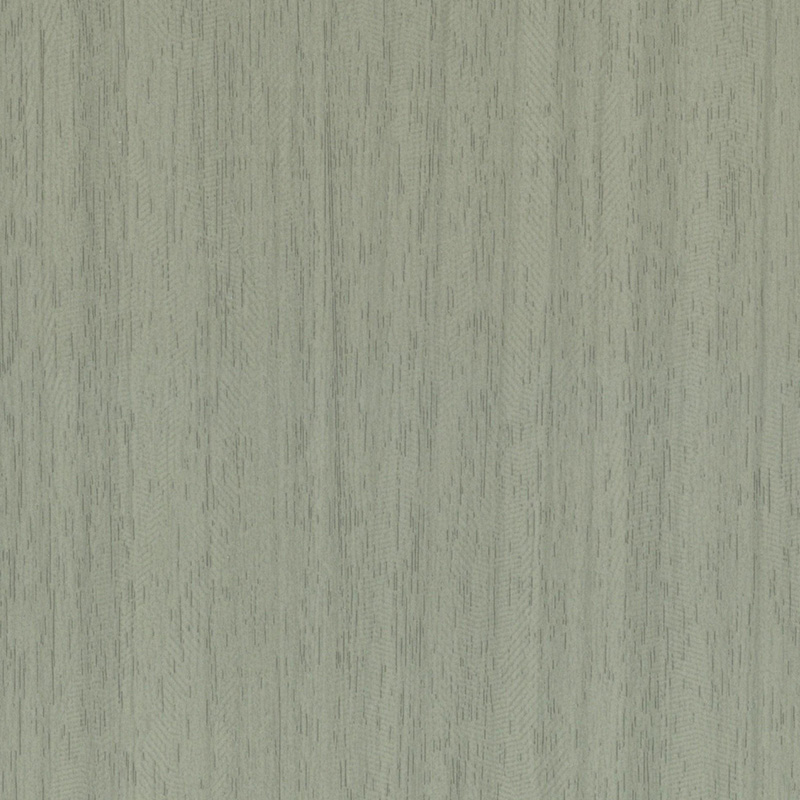
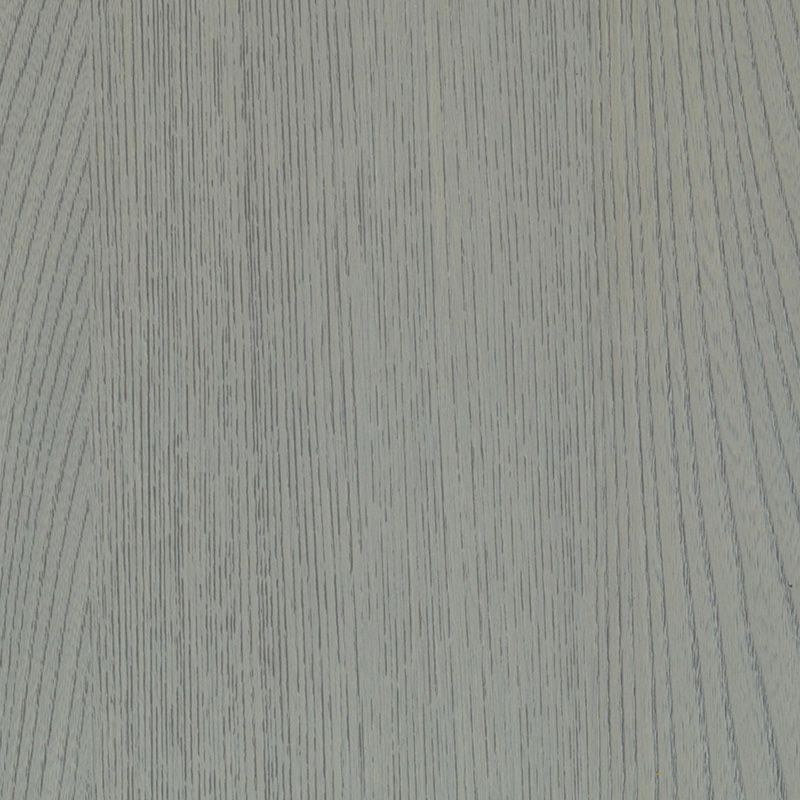
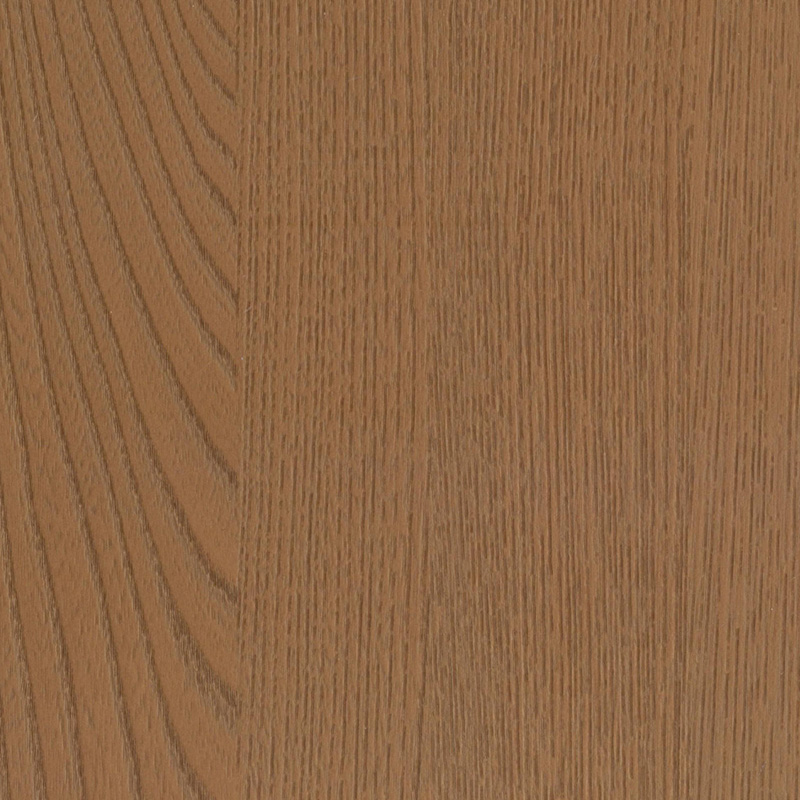
One reason buyers keep returning to PVC furniture film is the range of surface options available. Suppliers typically offer wood grain patterns in various tones, solid colors ranging from neutral shades to brighter finishes, and textured surfaces such as matte, glossy, or embossed effects. Some rolls mimic natural materials like oak, walnut, or marble, giving furniture a layered appearance without sourcing the actual raw material. This variety lets manufacturers match film choices to different furniture lines or regional market preferences without changing their underlying production setup.
Common Applications
PVC furniture film shows up across several furniture categories. Kitchen cabinets and wardrobes are among the more common uses, since the film can be wrapped around door frames and panel edges cleanly. It also appears in office furniture, such as desk panels and shelving units, where a consistent finish across many units is useful for bulk orders. Some manufacturers use it on interior doors and window frames as well, applying the same wrapping techniques used for cabinet components. Because the film can be produced in long rolls, it works well for buyers placing large or repeat orders rather than one-off custom pieces.
Sourcing Considerations for Buyers
For furniture manufacturers and distributors evaluating suppliers, a few practical points tend to come up during sourcing conversations. Roll width and thickness affect which substrates and equipment the film will work with, so buyers often request samples before committing to larger volumes. Adhesion quality and how the film behaves during wrapping or lamination can vary between suppliers, which is why sample testing on actual production lines is a common step. Buyers also compare pattern catalogs, since a wider selection of finishes can make it easier to serve different customer segments without switching suppliers repeatedly.
A Flexible Material for Furniture Production
Across cabinet making, office furniture, and door and window manufacturing, PVC furniture film continues to serve as a flexible option for adding finished surfaces at scale. Its roll format suits automated wrapping and laminating lines, while the range of available patterns gives manufacturers room to differentiate their product lines. For businesses weighing surface material options, understanding how PVC furniture film fits into existing production workflows is often the starting point before moving on to supplier comparisons and sample testing.


 No.3 Guangfu \Road, Hecun Town, Jiangshan City, Zhejiang Province, China
 +86-15700041115

Copyright © Zhejiang Jiahong Decoration Material Co., Ltd. All Rights Reserved
