
 English
 русский
 Español
 عربى
عربى Deutsch
Can PVC Film For Door Resist Scratches?
Paint chips. Veneer peels. Solid wood swells in humid weather and cracks in dry seasons. A thin printed film solves a lot of that headache in one step, which is exactly why PVC film for door manufacturing has become such a common finishing method across furniture and interior door production.
Printing And Texture Come From The Same Roll
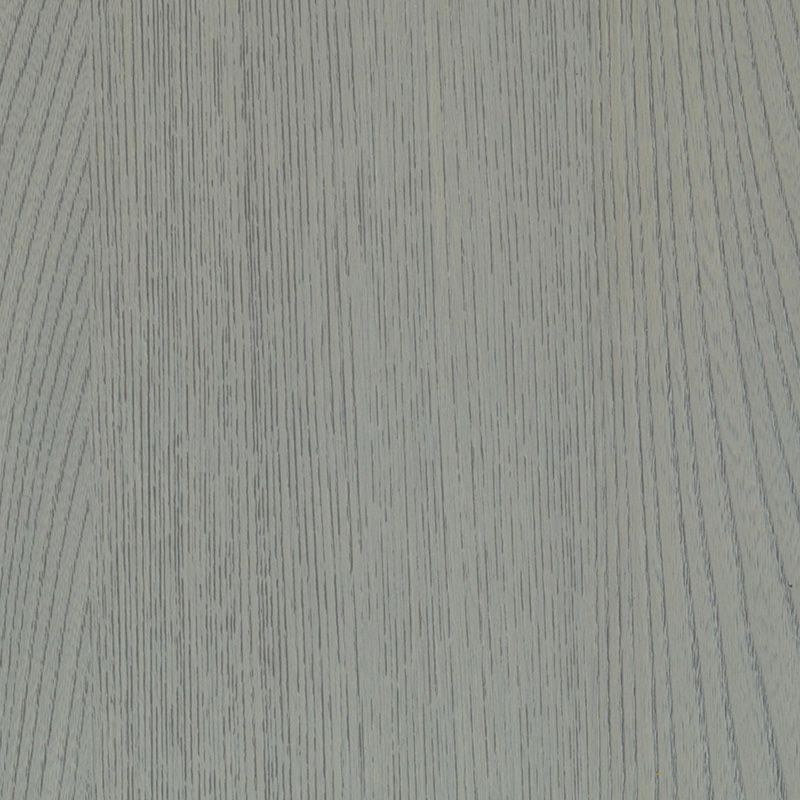
Wood grain remains the dominant pattern category across PVC film for door production, largely because doors sit right next to real wood trim, flooring, and cabinetry in homes, and a mismatched finish stands out immediately. Manufacturers print these patterns using rotogravure printing, a method that transfers ink from engraved rollers directly onto the moving film, capable of reproducing fine grain detail — knots, streaks, color variation — with a level of consistency actual wood veneer can't guarantee sheet to sheet.
Surface texture gets added separately from the printed pattern, usually through an embossing roller pressing a matching texture pattern into the film after printing. Matte, satin, and high-gloss finishes all start from the same base film; the difference comes down to which embossing roller and top coating get applied during that final pass.
Bonding The Film To A Door Substrate
MDF (medium-density fiberboard) serves as the substrate for a large share of doors finished with PVC film, since its flat, consistent surface takes lamination evenly across the whole panel. Particleboard and certain engineered wood products work too, though surface smoothness matters more here than with solid wood, since any texture irregularity in the substrate telegraphs through the thin film layer once it's bonded.
Lamination itself happens under a combination of heat and pressure, softening the PVC film enough to conform tightly around door profiles — including routed panel details, raised molding edges, and curved trim sections that flat veneer sheets struggle to wrap without cracking. This flexibility is part of what pushed PVC film ahead of traditional veneer for doors carrying decorative profile shapes rather than flat slab designs.
A few substrate and profile combinations show up often in production:
- Flat slab doors, laminated across one continuous smooth surface
- Raised panel doors, requiring the film to wrap around molded edges without tearing
- Louvered or grooved doors, where film needs to follow recessed detail lines cleanly
Color Range And Custom Pattern Requests
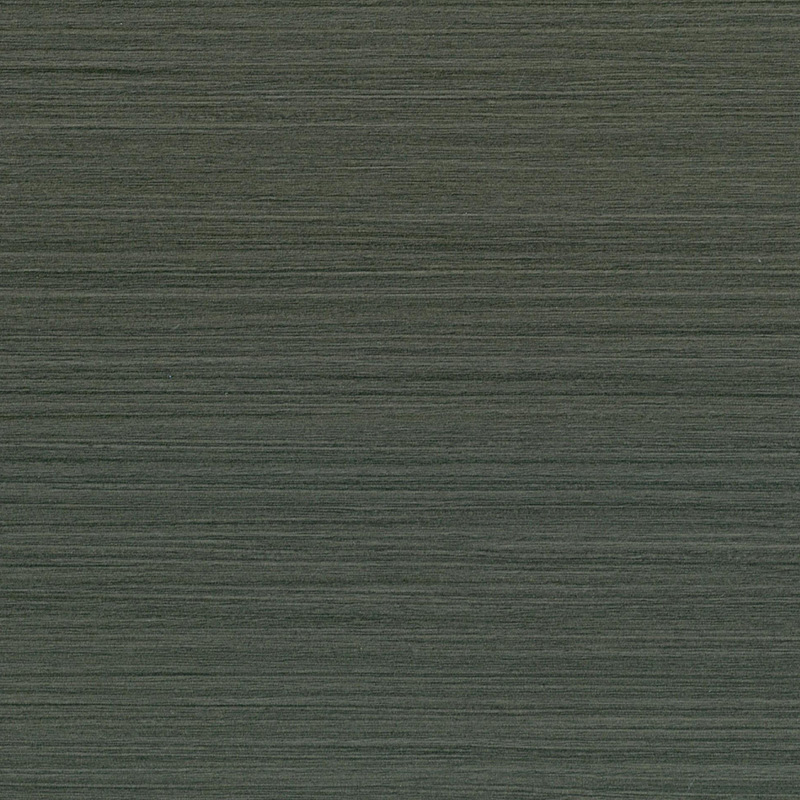
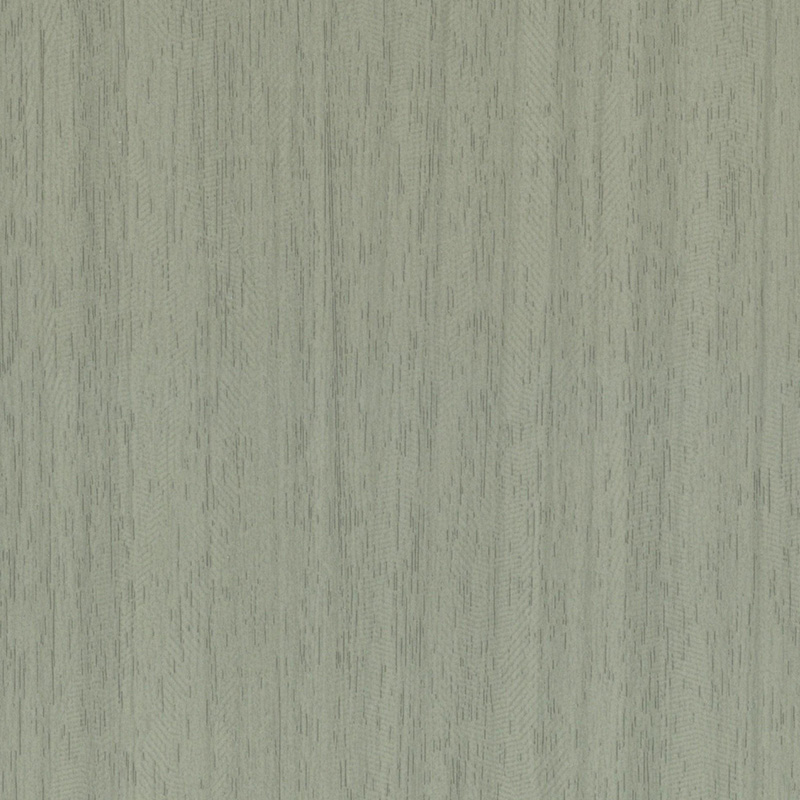
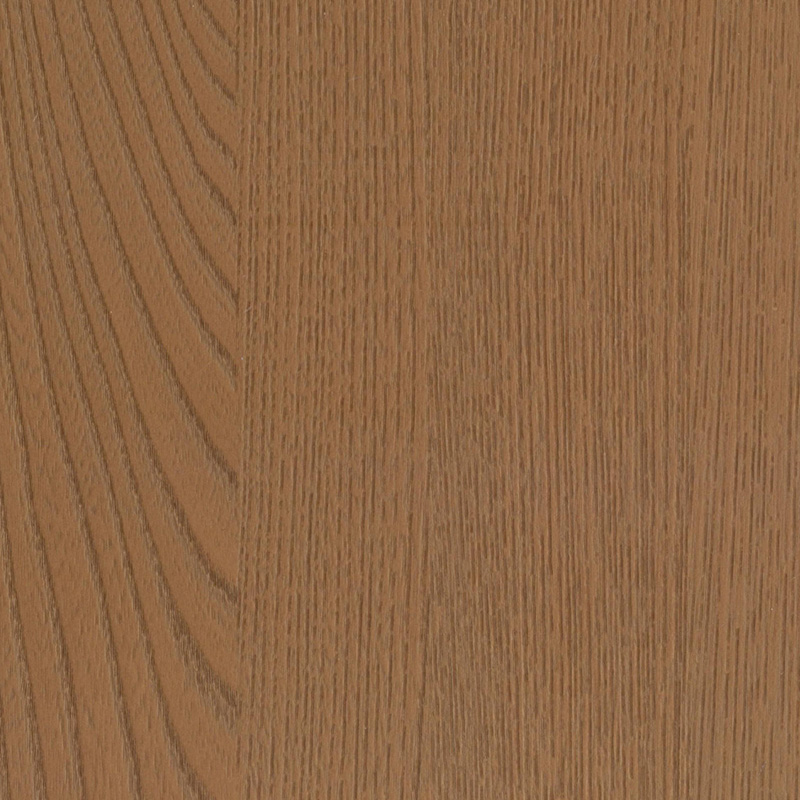
Wood tones dominate catalog offerings, running from pale oak and ash through medium walnut shades and darker mahogany or wenge finishes. Solid colors round out product lines too, popular for kitchen cabinet doors in contemporary interior styles where a uniform matte white or gray finish suits the design better than a wood grain pattern would.
Custom pattern requests come up regularly among furniture manufacturers building private-label product lines. Buyers supply reference images or color codes, and film producers match grain direction, color depth, and texture against that reference before running full production, since even small shifts in tone or grain scale can make a matched cabinet set look inconsistent once installed side by side in a kitchen or closet.
Durability Compared To Painted Surfaces
Painted door surfaces chip at corners and edges over repeated contact, revealing bare substrate underneath within a few years of regular use. PVC film for door applications resists that specific failure mode better, since the film wraps continuously across edges and corners rather than sitting as a thin coating layer prone to flaking at stress points.
Moisture resistance factors in too, particularly in kitchen and bathroom applications where humidity and occasional water contact are routine. The PVC layer itself doesn't absorb moisture the way raw wood or MDF underneath it would if left exposed, though seam edges and film termination points still need careful bonding during manufacturing to prevent moisture from working its way in around the perimeter over time.


 No.3 Guangfu \Road, Hecun Town, Jiangshan City, Zhejiang Province, China
 +86-15700041115

Copyright © Zhejiang Jiahong Decoration Material Co., Ltd. All Rights Reserved
