
 English
 русский
 Español
 عربى
عربى Deutsch
PVC Decorative Film Surface Choices
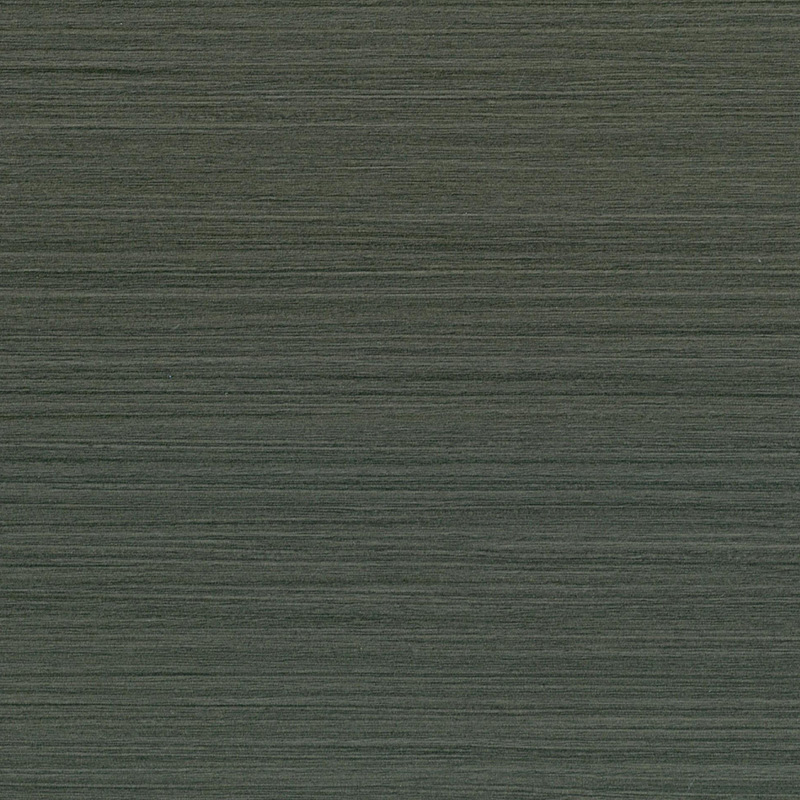
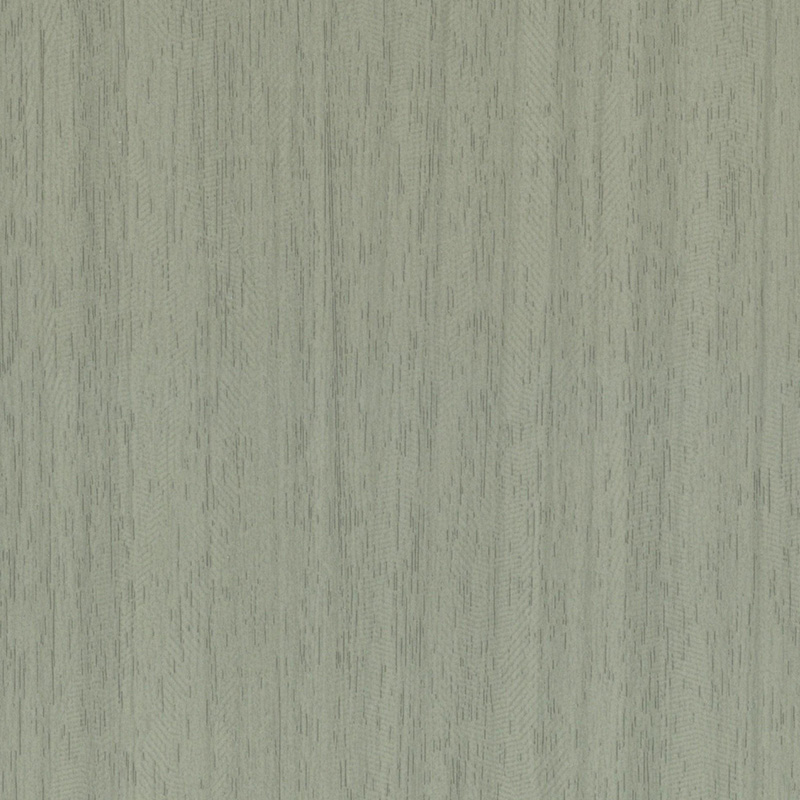
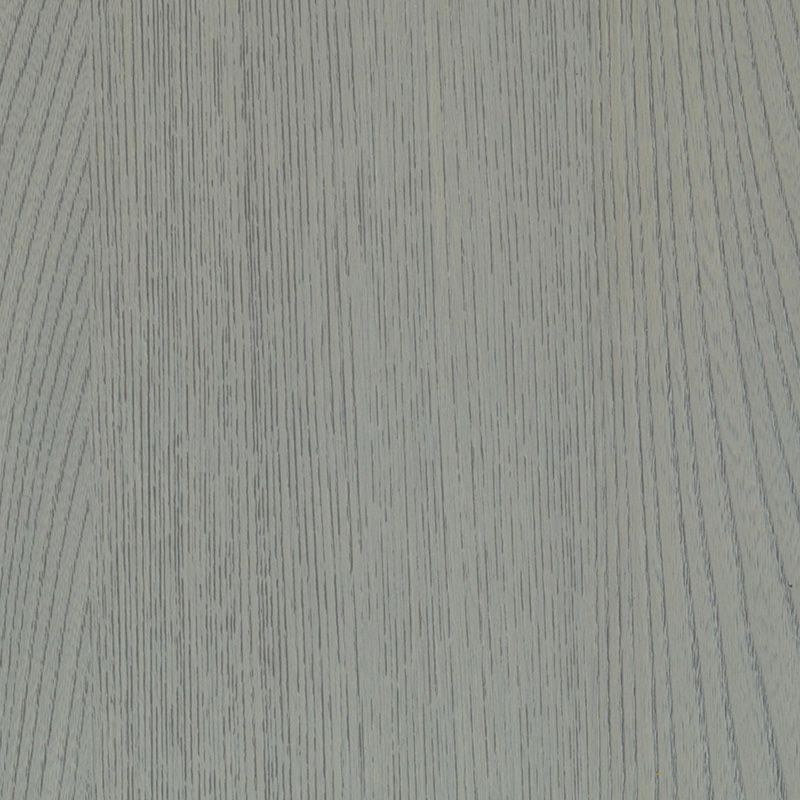
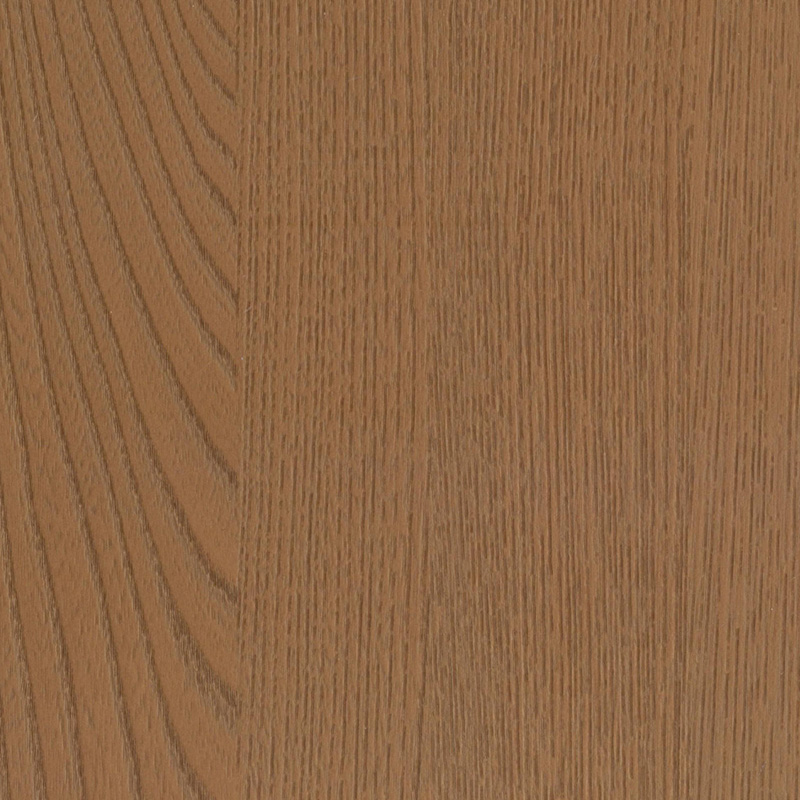
PVC Decorative Film brings color, pattern, and texture to surfaces in homes, offices, and commercial interiors. Designers and homeowners turn to this material when they want a fresh look without replacing entire pieces of furniture or wall panels. The film adheres to flat or gently curved surfaces and creates the appearance of wood grain, stone, solid color, or abstract motifs.
Basic Nature of the Material
The film consists of a thin PVC layer printed with patterns and finished with a protective top coat. Adhesive on the reverse side allows it to bond to wood, metal, plastic, or composite boards. Once applied, the surface gains a uniform finish that resists everyday wear from light contact. Thickness stays modest so edges remain neat and the original shape of the object stays intact.
Many interior projects benefit from this approach. A plain cabinet door can receive a warm wood look. A reception desk can shift from plain white to a subtle metallic sheen. The change happens at the surface level, keeping the underlying structure unchanged.
Where the Film Finds Frequent Use
Furniture makers apply PVC Decorative Film to cabinet faces, drawer fronts, and table surfaces. Interior fit-out teams use it on wall panels, sliding doors, and display fixtures. In retail settings the material refreshes counter fronts and shelf edges without major reconstruction. Residential users often choose it for wardrobe interiors, kitchen island sides, or bathroom vanity panels.
The film works well on both horizontal and vertical planes. On vertical surfaces it creates continuous runs that hide seams when applied carefully. On horizontal surfaces it provides a consistent top layer that feels smooth to the touch.
Practical Advantages During Projects
Application requires basic tools: a squeegee, sharp blade, and clean workspace. The film arrives in rolls of various widths, so installers cut pieces to size before positioning. Heat guns help the material conform around gentle curves or edges. Once pressed into place, the adhesive holds firmly under typical indoor conditions.
Color consistency across a roll supports larger projects. Matching panels on a run of cabinets stay uniform from one end to the other. When a single surface needs attention, the film allows selective updates rather than full replacement of the item.
Design Flexibility in Different Rooms
In living areas the material can introduce subtle texture to media units or sideboards. In kitchens it updates lower cabinets or island panels while the original carcass remains. Office environments gain a coordinated look across partitions and storage units. Even smaller items such as desk organizers or display stands receive a finished appearance that blends with surrounding surfaces.
The range of available finishes supports both calm, neutral schemes and bolder accent choices. A soft gray matte film can quiet a busy room, while a deeper wood tone can add warmth to an otherwise cool palette. Because the film sits on the surface, future changes remain possible by applying a new layer over the existing one after proper preparation.
Everyday Scenarios Where It Fits Naturally
A homeowner refreshes a set of closet doors with a light oak pattern that matches the flooring. A small café updates its counter front with a stone-effect film that ties into the wall finish. An office manager coordinates storage units across several rooms with the same neutral tone. In each case the PVC Decorative Film delivers a consistent visual result without altering the structural parts of the furniture or fixtures.
The material also supports modular design approaches. Sections can be replaced or updated independently, which keeps larger installations flexible over time. When a single panel shows wear, only that area needs attention rather than the entire assembly.


 No.3 Guangfu \Road, Hecun Town, Jiangshan City, Zhejiang Province, China
 +86-15700041115

Copyright © Zhejiang Jiahong Decoration Material Co., Ltd. All Rights Reserved
