
 English
 русский
 Español
 عربى
عربى Deutsch
Can PVC Furniture Film Cover Different Shapes?
Basic Features of PVC Furniture Film
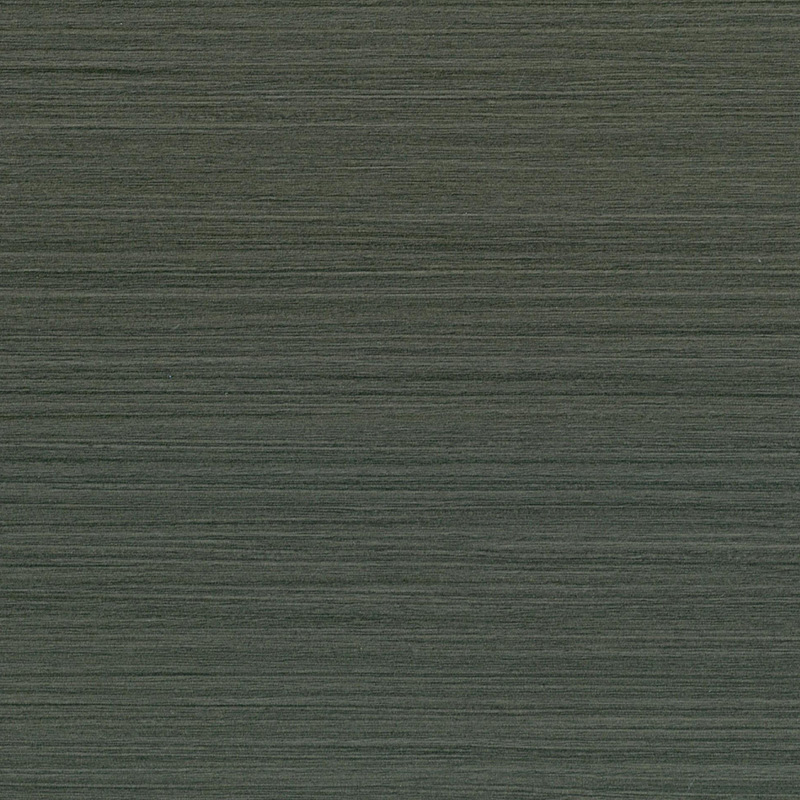
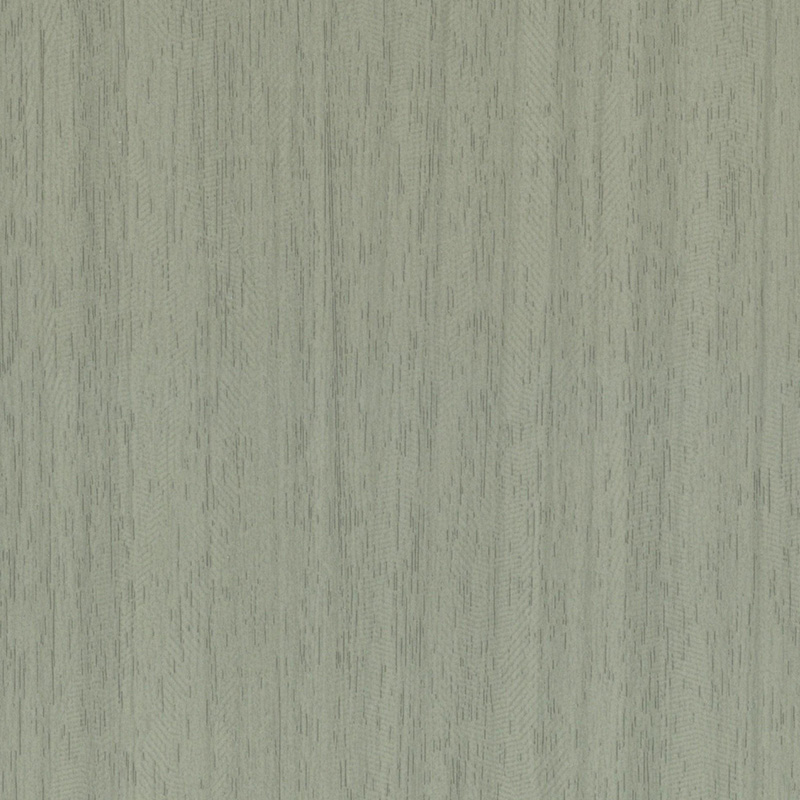
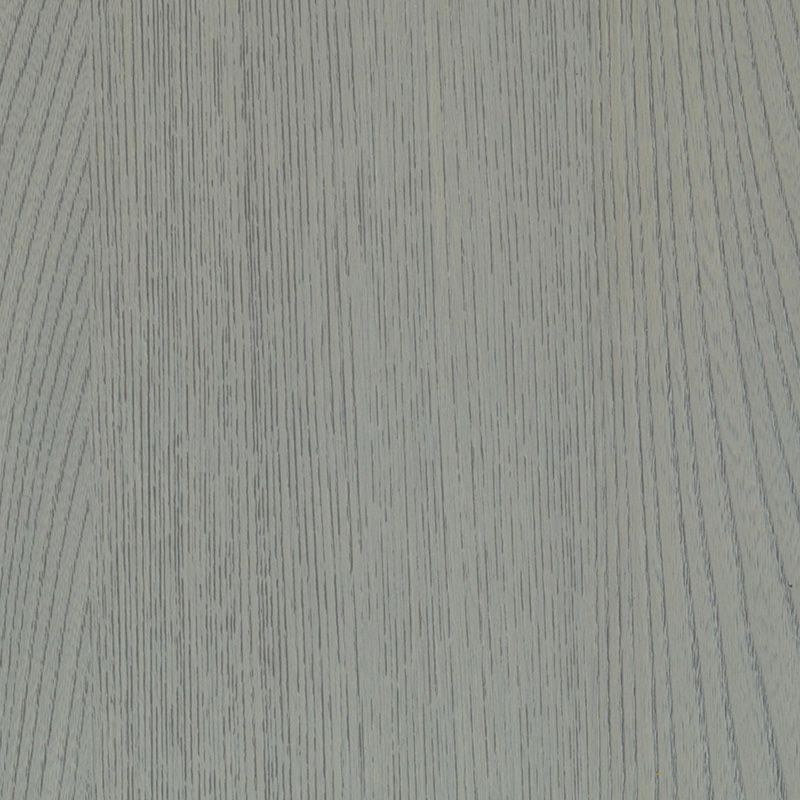
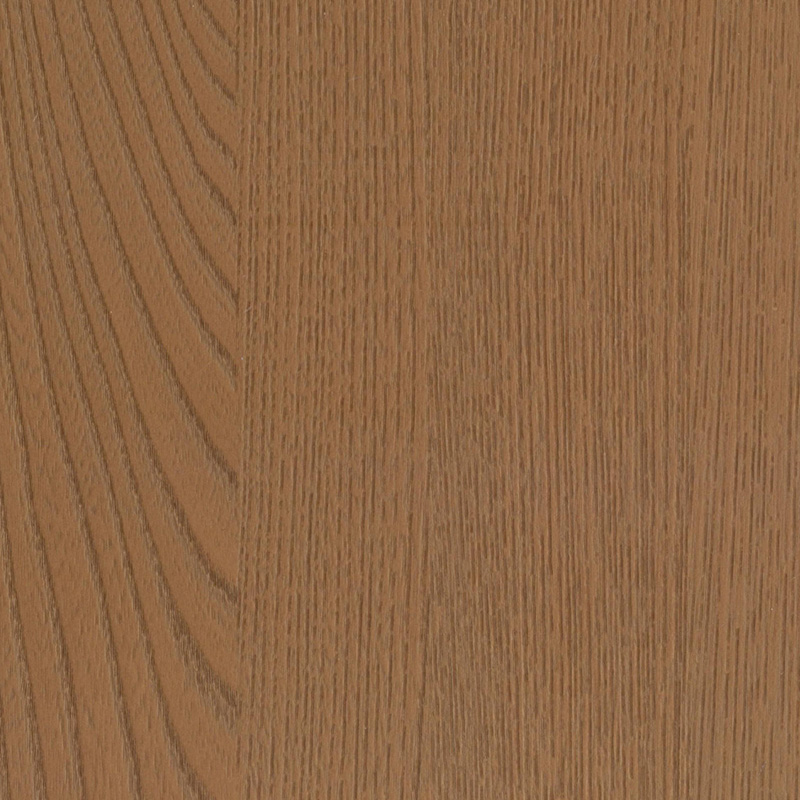
PVC Furniture Film consists of a polyvinyl chloride layer that can carry printed patterns or solid colors. The surface may mimic wood grain, stone, fabric, or smooth solid tones. A thin adhesive backing or separate glue helps the film bond to the substrate. Thickness stays consistent across the roll so coverage remains even. The material bends around edges and curves, which allows it to follow the shape of doors, drawers, and molded panels.
Manufacturers produce the film in various widths and lengths. This flexibility lets workshops cut pieces to match specific furniture sizes. The finish can be matte, semi-gloss, or high-gloss depending on the desired effect. Some versions include a slight emboss that adds tactile depth while keeping the surface easy to wipe.
How PVC Furniture Film Gets Applied
Application usually starts with a clean, smooth base. Workers sand or prepare the substrate so no dust or oil remains. They then position the film and use heat or pressure to activate the adhesive. A vacuum press or membrane press often handles larger panels, pulling the film tightly over edges and profiles. For smaller pieces or on-site work, hand tools and rollers complete the process.
Once bonded, the film sits firmly in place. Trimming removes excess material at the edges. The result is a continuous surface that covers the original material completely. The same method works on flat panels and three-dimensional shapes, giving designers freedom to update existing stock or create new collections.
Places Where PVC Furniture Film Appears
Cabinet doors in kitchens and bathrooms frequently receive this covering. Wardrobe fronts, desk surfaces, and shelving units also use it. Office furniture lines apply the film to create uniform appearances across large installations. Retail display units and hotel furnishings benefit from the ability to match themes or refresh looks quickly. Even smaller items such as side tables and storage boxes can gain a new exterior with carefully cut pieces.
The material suits both mass production and custom workshops. In factory settings, automated presses handle high volumes. In smaller shops, manual techniques allow one-off pieces. Either approach produces consistent results when the film and substrate match properly.
Practical Benefits in Everyday Use
PVC Furniture Film helps furniture retain a finished appearance under regular handling. The surface resists everyday scratches from keys, utensils, or light contact. Spills wipe away without leaving marks on the printed layer. Color stays stable under indoor light, so the chosen pattern continues to look intentional over time.
Designers appreciate the wide range of available patterns. A single furniture line can offer multiple wood looks or modern solid colors without changing the underlying construction. This variety supports different room styles while keeping production methods the same. The film also adds a uniform texture that hides minor imperfections in the base material.
Because the layer is thin, it adds little weight or bulk. Furniture remains easy to move and install. Edges and corners stay neat when the film wraps correctly, giving a clean final outline.
Points to Consider When Choosing PVC Furniture Film
Selection begins with the intended use. High-touch surfaces may need a thicker or more durable grade. Pattern choice depends on the overall design direction of the space. Matching the film’s flexibility to the complexity of the furniture shape ensures smooth coverage around curves and profiles.
Adhesive strength and surface preparation influence how long the bond lasts. Workshops test small samples before full production runs. Storage of unused rolls in a dry, temperate area keeps the material ready for later jobs. Clear labeling of different patterns prevents mix-ups on the production floor.


 No.3 Guangfu \Road, Hecun Town, Jiangshan City, Zhejiang Province, China
 +86-15700041115

Copyright © Zhejiang Jiahong Decoration Material Co., Ltd. All Rights Reserved
