
 English
 русский
 Español
 عربى
عربى Deutsch
How Does PVC Decor Film Mimic Wood Grain?
Walk through a furniture showroom or a kitchen cabinet display and there's a good chance you're looking at PVC decor film without realizing it. This thin, printed layer gets applied over substrates like MDF, particleboard, or metal profiles to give them the look of wood grain, stone, or solid color without the cost or weight of the real material. For furniture manufacturers, door producers, and profile wrapping operations, this film has become a routine part of how products get their finished appearance.
How the Film Gets Made
Production starts with a base PVC resin layer, which gets a printed design applied — often a high-resolution wood grain, marble pattern, or matte solid tone. A protective topcoat then seals the print, giving it some resistance to scuffing and everyday handling. The finished roll is thin and flexible enough to wrap around edges and contours, which is part of why it works so well on cabinet doors, window profiles, and furniture panels that have curves or routed details rather than flat surfaces alone.
Some producers use a lamination process, bonding the film directly onto the substrate with heat and pressure. Others rely on membrane press or vacuum wrapping techniques, which pull the film tightly around three-dimensional shapes like molded door panels or curved furniture edges. The method chosen often depends on the shape of the product being covered and the volume a factory needs to run through in a given day.
Wood Grain Remains a Steady Request
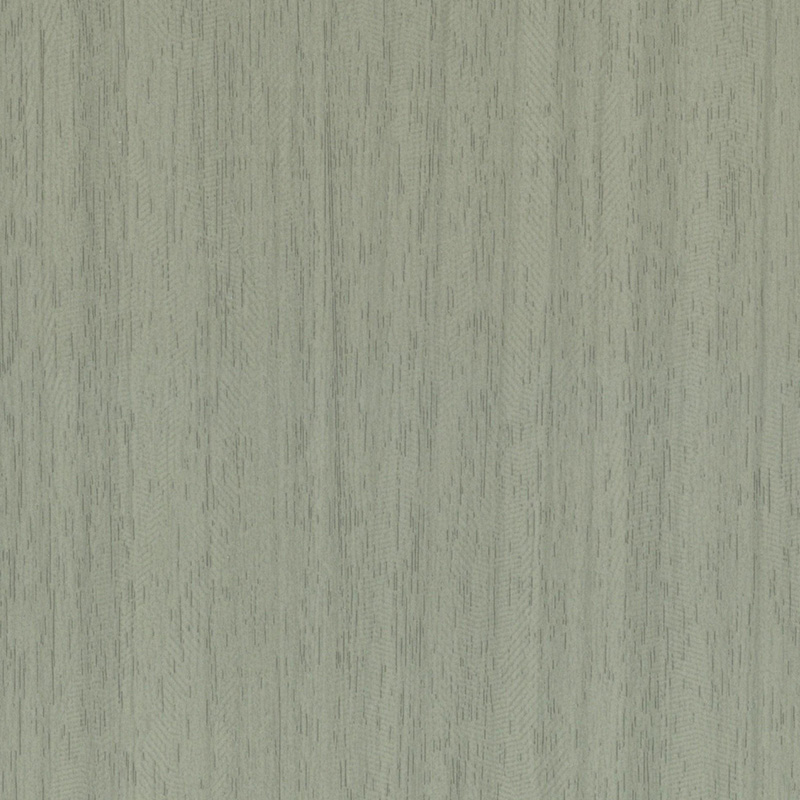
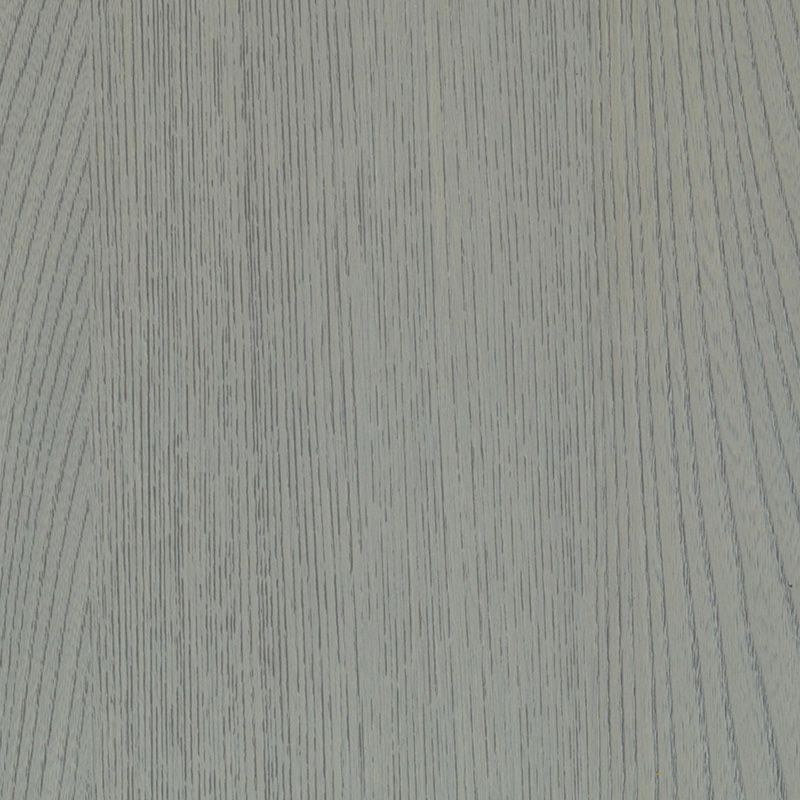
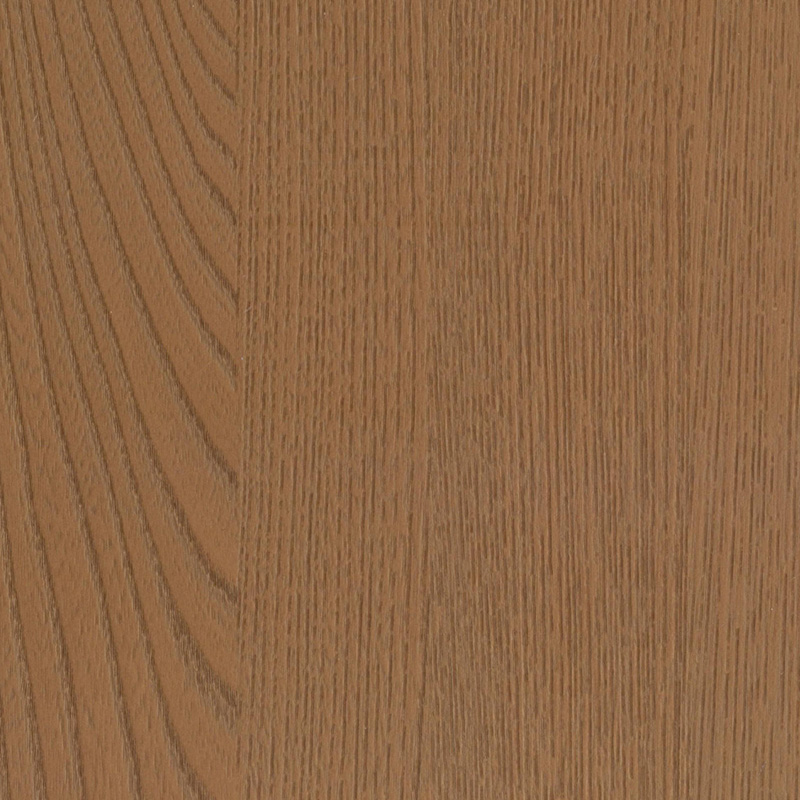
Among buyers sourcing PVC decor film, wood grain patterns continue to make up a large share of orders. Oak, walnut, and teak-style prints are common choices for kitchen cabinets and closet systems, since they let manufacturers offer a wood-look product at a lower material cost than solid timber or genuine veneer. Printing technology has advanced enough that grain patterns can include subtle color variation and texture embossing, so the surface doesn't just look like wood in a photo — it can feel closer to it under a hand as well.
Solid Colors and Matte Finishes
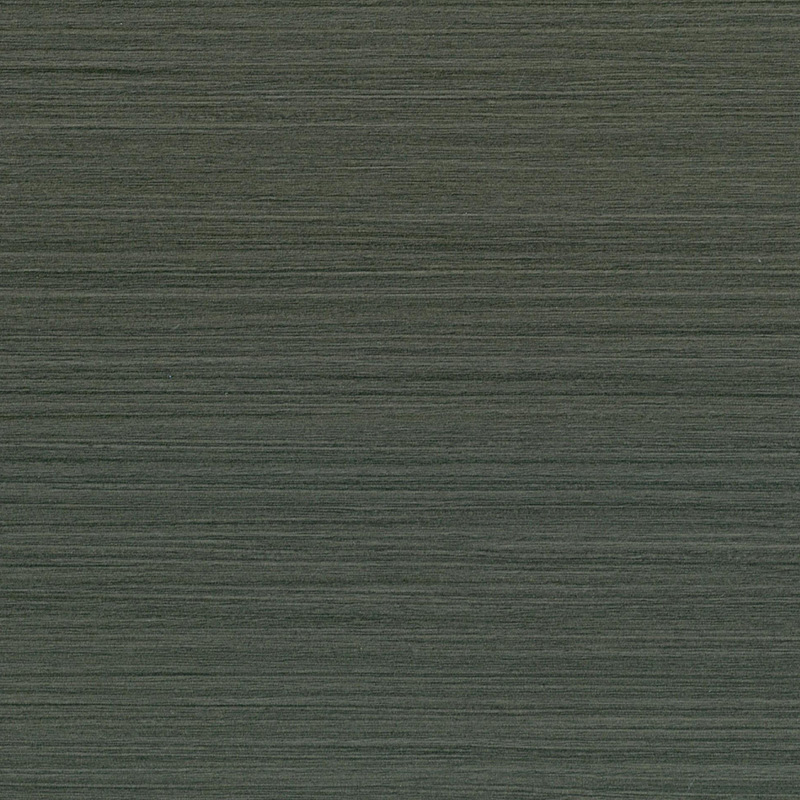
Alongside wood grain, solid color PVC decor film has picked up interest from buyers working on modern or minimalist furniture lines. Matte white, soft gray, and deep charcoal tones show up frequently in cabinet and wardrobe applications where a clean, uniform surface is the goal rather than a printed pattern. Matte finishes in particular have become popular because they resist fingerprints and light scratches better than high-gloss alternatives, which matters for kitchen environments where surfaces get touched constantly.
Where the Film Gets Applied
Cabinet doors and drawer fronts account for a large portion of PVC decor film use, but the material shows up in plenty of other places too. Window and door profile manufacturers use it to wrap aluminum or PVC frames, giving them a wood-like appearance without the maintenance concerns tied to real wood exposed to weather. Furniture panel producers apply it to wardrobe interiors, shelving units, and tabletops. Some flooring skirting and trim pieces also use decor film as a cost-effective way to match a room's overall color scheme.
Matching Film to the End Product
The right PVC decor film choice depends heavily on what it's going onto and how that product will be used day to day. A film destined for a kitchen cabinet door faces different demands than one wrapping a closet shelf edge or a window frame profile. Buyers who communicate clearly about substrate type, application method, and expected handling tend to get a film that performs well once it's actually applied and in use.


 No.3 Guangfu \Road, Hecun Town, Jiangshan City, Zhejiang Province, China
 +86-15700041115

Copyright © Zhejiang Jiahong Decoration Material Co., Ltd. All Rights Reserved
