
 English
 русский
 Español
 عربى
عربى Deutsch
Where Does PVC Film Fit Modern Interiors?
Interior surfaces do not always need a complete replacement to get a different appearance. A new surface finish can change the visual character of furniture, wall panels, doors, cabinets, and other decorative elements. PVC Film has become a practical material for this purpose, offering a wide selection of colors, patterns, textures, and surface effects for interior products.
Wood Grain Brings Natural Texture Indoors
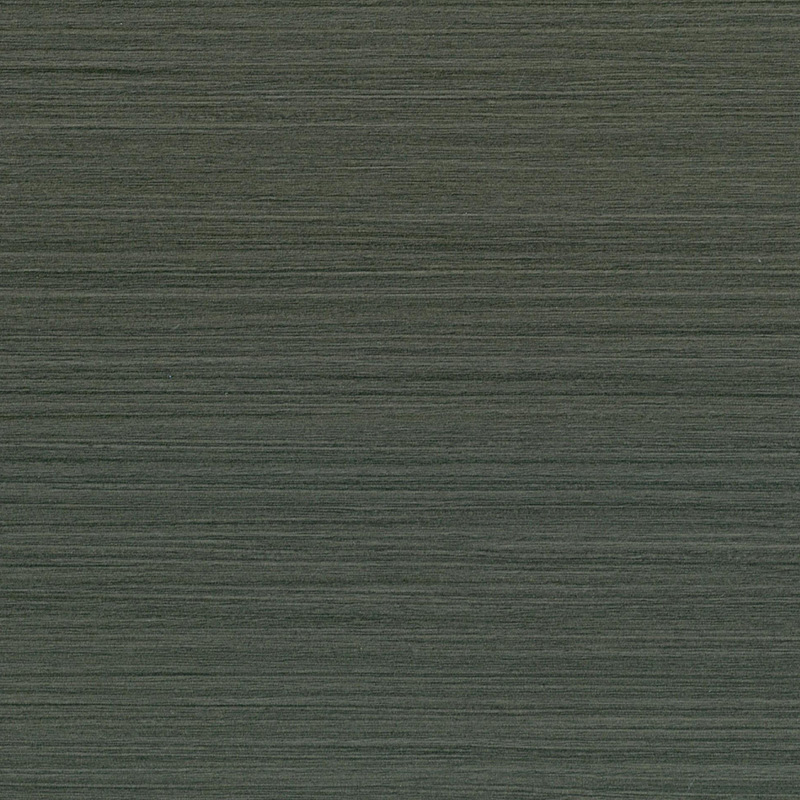
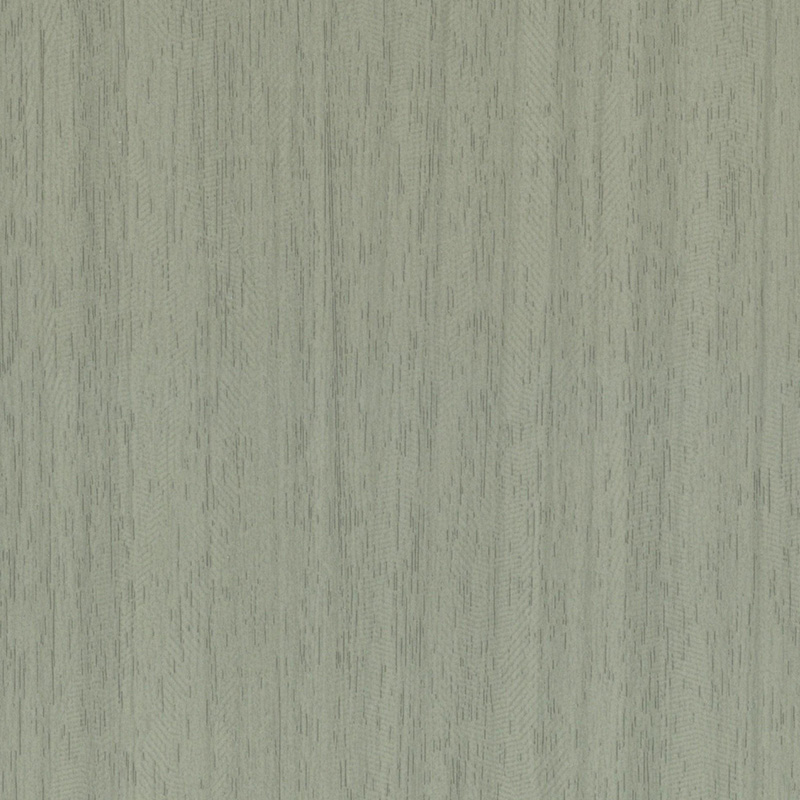
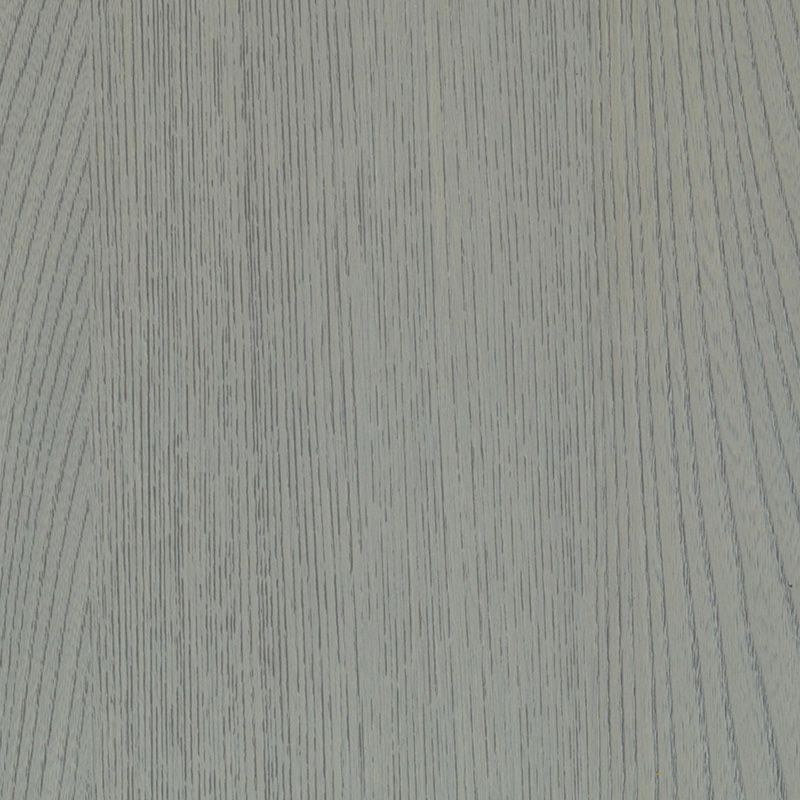
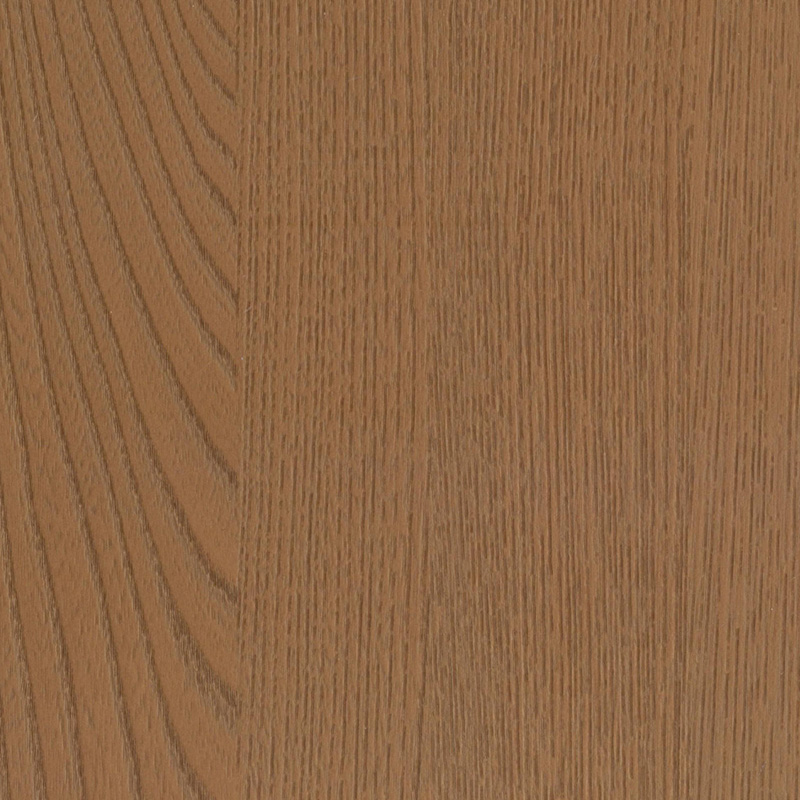
Wood-inspired designs remain popular in furniture and interior decoration. Wood grain film can reproduce visual details such as oak, walnut, ash, and other wood patterns without requiring the surface to use natural wood as its visible finish.
The printed grain can range from subtle lines to more pronounced patterns. Color also changes the overall impression. Light wood shades can create a clean appearance, while deeper brown tones can give cabinets and panels a warmer character.
This type of decorative film can be applied to furniture boards, doors, cabinets, wall panels, and other flat or shaped surfaces.
Marble Patterns Add A Stone-Like Look
Marble-inspired film provides another design direction. It can reproduce flowing veins, irregular lines, and layered color combinations associated with natural stone.
White marble patterns are commonly associated with bright interior spaces, while darker designs can create a stronger visual effect. Gray, beige, black, and mixed-tone patterns offer additional choices for different furniture and interior concepts.
The advantage of a printed stone pattern is that designers can introduce a stone-inspired appearance across multiple surfaces while keeping the underlying panel material unchanged.
Solid Colors Keep Designs Simple
Not every interior needs a detailed pattern. Solid-color film provides a cleaner visual approach for cabinets, furniture, doors, and wall panels.
White, black, gray, beige, blue, green, and other colors can be selected according to the overall design concept. A consistent color can also help different furniture components appear visually connected.
For commercial interiors, solid colors may be combined with wood grain or metallic finishes to create contrast between different sections of the same space.
Glossy And Matte Finishes Change The Feel
Surface finish can change how people perceive a decorative panel. High-gloss film reflects more light and can create a bright, polished appearance. It may suit modern cabinets, furniture panels, and decorative surfaces.
Matte film has a softer visual character and reduces strong reflections. It can work well for minimalist furniture and interior panels where a quieter surface appearance is preferred.
Textured finishes introduce another layer of visual interest. Embossed patterns can create a surface that looks and feels different from a completely smooth film.
Where Decorative Film Fits
PVC Film can be used across many interior products. Furniture manufacturers may apply decorative film to MDF, particle board, plywood, and other suitable substrates. Door manufacturers can use it for surface decoration, while cabinet producers may select different patterns for kitchen and storage furniture.
Wall panels are another application. A single panel can take on the appearance of wood, marble, fabric, concrete, or another decorative surface through the selected film design.
The final appearance depends on the substrate, film pattern, surface finish, application process, and overall product structure.
Customization Gives Designers More Choices
One reason PVC Film attracts attention in decorative manufacturing is the range of available visual combinations. Manufacturers can select colors, patterns, gloss levels, textures, and decorative effects according to a particular product line.
Some projects may require a consistent wood grain across several furniture components. Others may combine marble patterns with solid colors or metallic accents.
For buyers, defining the desired appearance before production can make material selection easier. Details such as color, pattern, surface texture, film width, and application area can all influence the final result.


 No.3 Guangfu \Road, Hecun Town, Jiangshan City, Zhejiang Province, China
 +86-15700041115

Copyright © Zhejiang Jiahong Decoration Material Co., Ltd. All Rights Reserved
