
 English
 русский
 Español
 عربى
عربى Deutsch
PVC Film For Door Daily Application Guide
PVC film for door provides a practical surface finish for interior doors and cabinet panels. The thin flexible sheet bonds to wood, MDF, or other substrates to create a smooth, consistent appearance. Home builders, furniture makers, and renovation teams use it to refresh doors without replacing the entire structure. The material offers color and texture options that suit different room styles while remaining straightforward to apply.
Composition of PVC Film For Door
PVC film for door consists of a polyvinyl chloride base layer that receives printed patterns or solid colors. A protective top layer adds surface durability against light scratches and everyday contact. Some versions include an adhesive backing that activates under heat or pressure, while others require separate glue during installation.
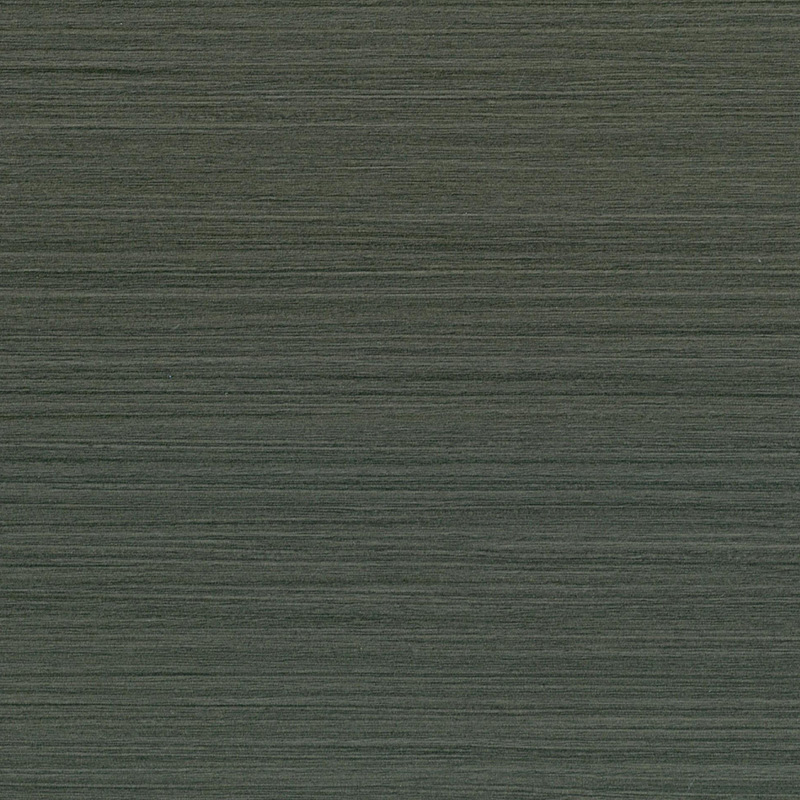
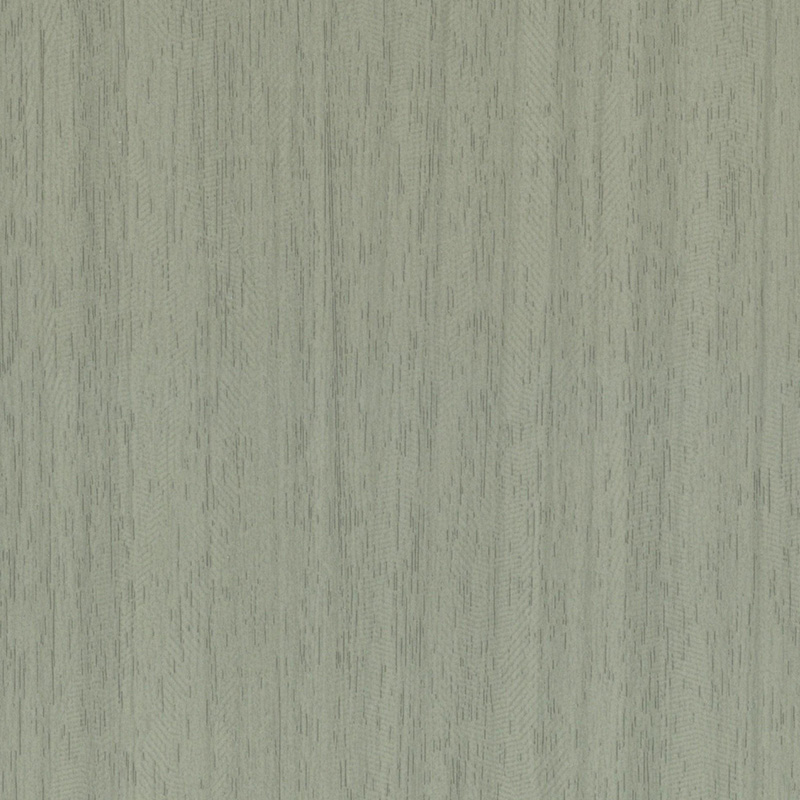
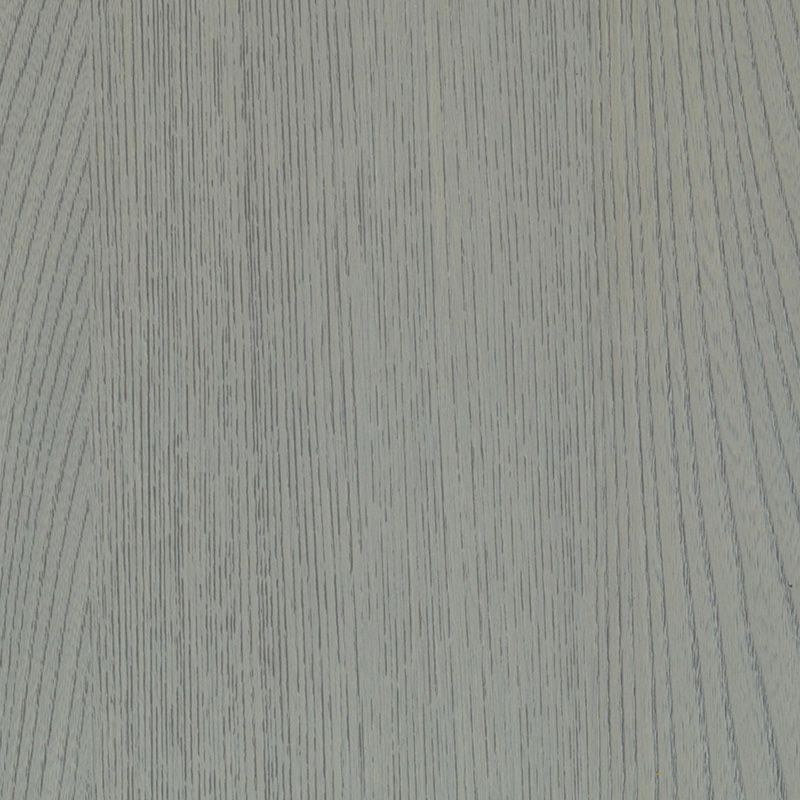
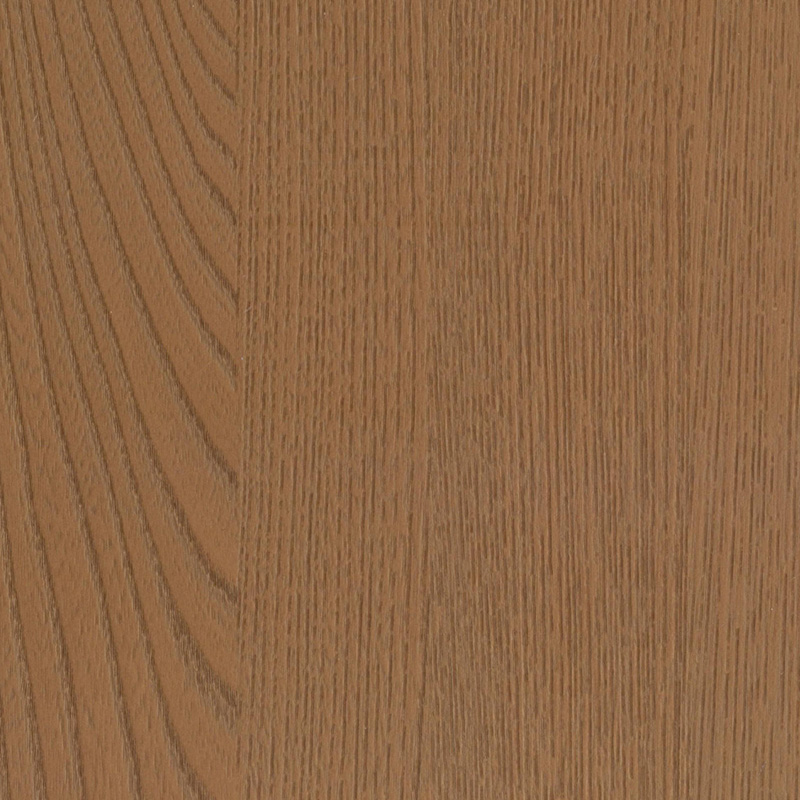
The film comes in rolls of varying widths and thicknesses. Thinner sheets suit detailed profiles and curved edges. Slightly thicker options handle flat door faces that see frequent use. The printed designs often mimic wood grain, stone, or solid tones. The base material remains flexible so that it follows the shape of the door panel without cracking at the edges.
Production focuses on consistent thickness and color matching across each roll. This uniformity helps installers achieve an even look across multiple doors in the same space.
How the Film Attaches to Doors
Application begins with a clean, smooth substrate. The door panel receives preparation so that dust and grease do not interfere with bonding. Heat presses or vacuum membrane presses activate the adhesive and press the film tightly against the surface. Hand tools help work the film into corners and around edges.
Once cooled, the film forms a continuous skin over the door face. Excess material trims away cleanly at the edges. The finished door then moves to assembly or installation. The process relies on controlled temperature and pressure rather than complex machinery in every case. Smaller workshops can use simpler heat methods for lower volumes.
The bond remains stable under normal indoor conditions. The film stays attached through regular opening and closing cycles without peeling at the edges when applied correctly.
Performance Traits in Daily Use
PVC film for door resists light moisture and everyday cleaning. The surface wipes clean with common household methods and retains its color under indoor lighting. The protective layer reduces the visibility of minor scuffs that occur during normal handling.
Flexibility allows the film to accommodate slight movement in the door substrate caused by seasonal humidity changes. The material does not crack or lift when the underlying panel expands or contracts within typical ranges. Color consistency holds across batches, which helps maintain a matched appearance when several doors stand side by side.
The thin profile adds little weight to the door. Hinges and hardware continue to operate as designed. The smooth surface also reduces the collection of dust compared with some textured wood finishes.
Practical Considerations for Selection
Teams select PVC film for door by reviewing the door style, expected traffic level, and desired appearance. Wood-grain patterns suit traditional interiors, while solid colors fit contemporary spaces. Thickness choices depend on whether the door has detailed edges or remains largely flat.
Adhesive type matches the application method available on site or in the workshop. Heat-activated films suit membrane presses, while pressure-sensitive versions work for simpler setups. Pattern direction and repeat size affect how the design aligns across larger door faces.
Installation benefits from accurate measuring and careful edge work. Once complete, the doors integrate into standard frames and hardware systems without special adjustments. Many projects prepare sample panels to confirm color and texture under the actual lighting of the space.
PVC film for door offers a workable solution for finishing interior doors and cabinet fronts. Its flexible construction and printed surfaces deliver consistent appearance for everyday residential and commercial use. From kitchen cabinets to room doors, the material supports practical updates and new builds with a process that remains clear and manageable for installers.


 No.3 Guangfu \Road, Hecun Town, Jiangshan City, Zhejiang Province, China
 +86-15700041115

Copyright © Zhejiang Jiahong Decoration Material Co., Ltd. All Rights Reserved
