
 English
 русский
 Español
 عربى
عربى Deutsch
PVC Decor Film Works on Multiple Bases
Interior spaces gain character through thoughtful material choices. PVC decor film offers a versatile option for updating furniture, panels, and other elements with fresh appearances. This thin, flexible material applies to various substrates, creating visual interest in rooms.
Understanding PVC Decor Film Basics
PVC decor film consists of polyvinyl chloride processed into sheets with decorative layers. It comes in rolls for easy handling during lamination or pressing. The material bonds to bases like MDF, particle board, or plywood through heat and pressure methods.
Thickness levels vary to suit different applications, from flat laminations to more complex wrapping. This adaptability supports use in cabinets, doors, and wall panels alike.
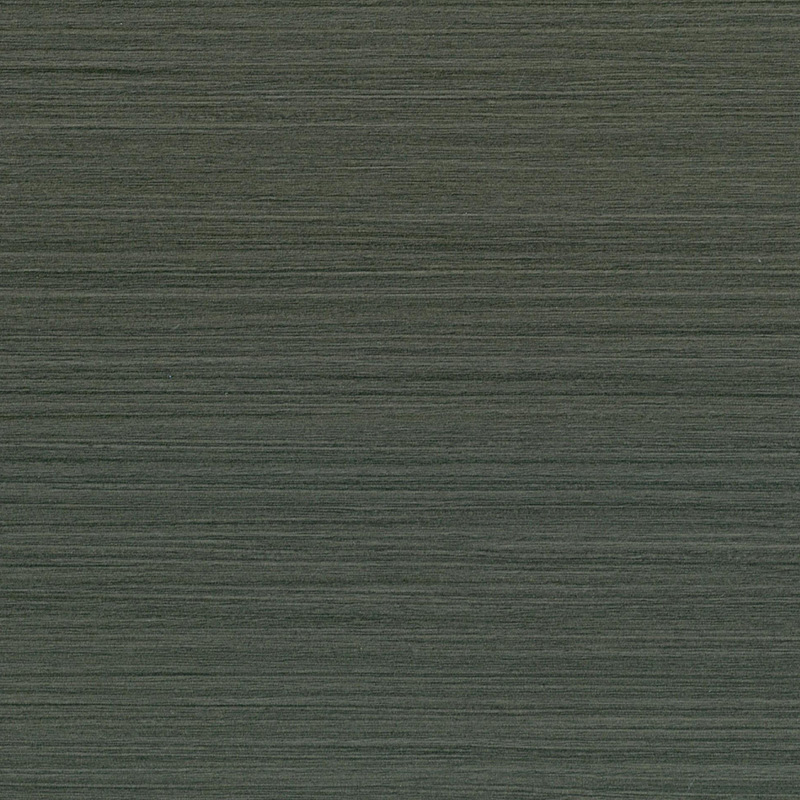
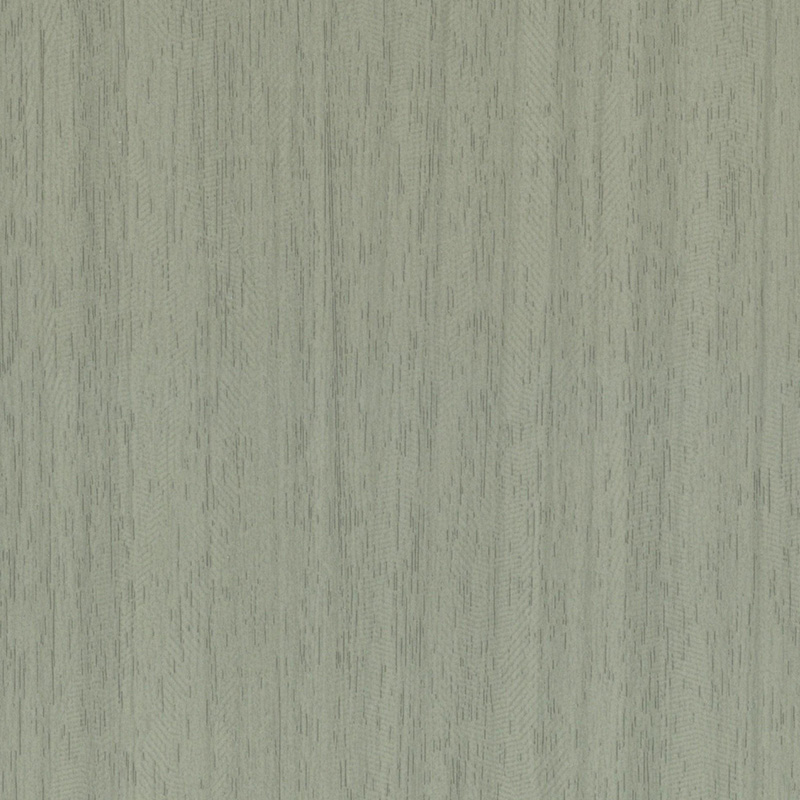
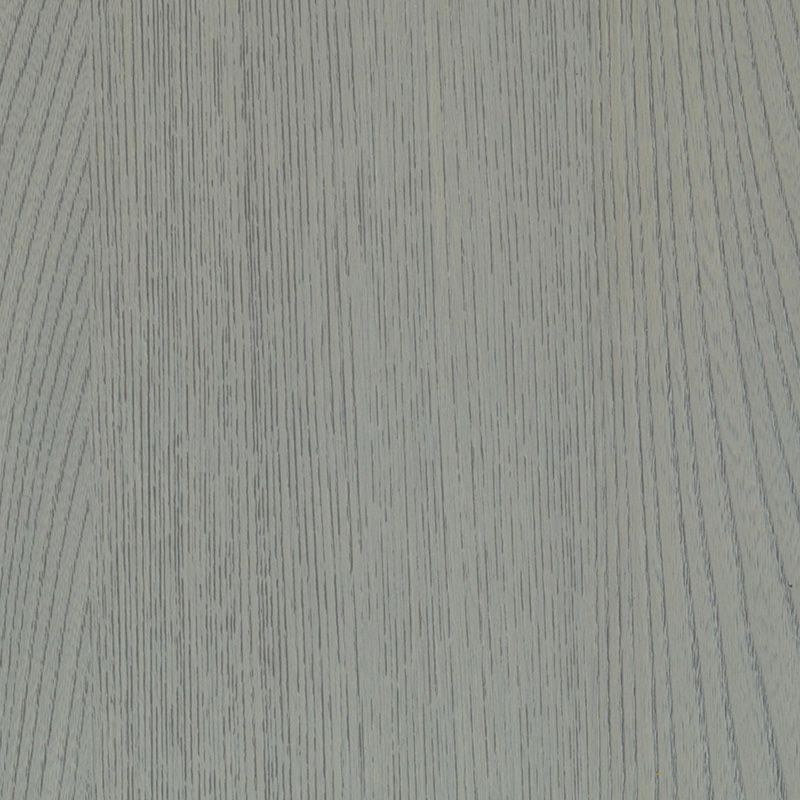
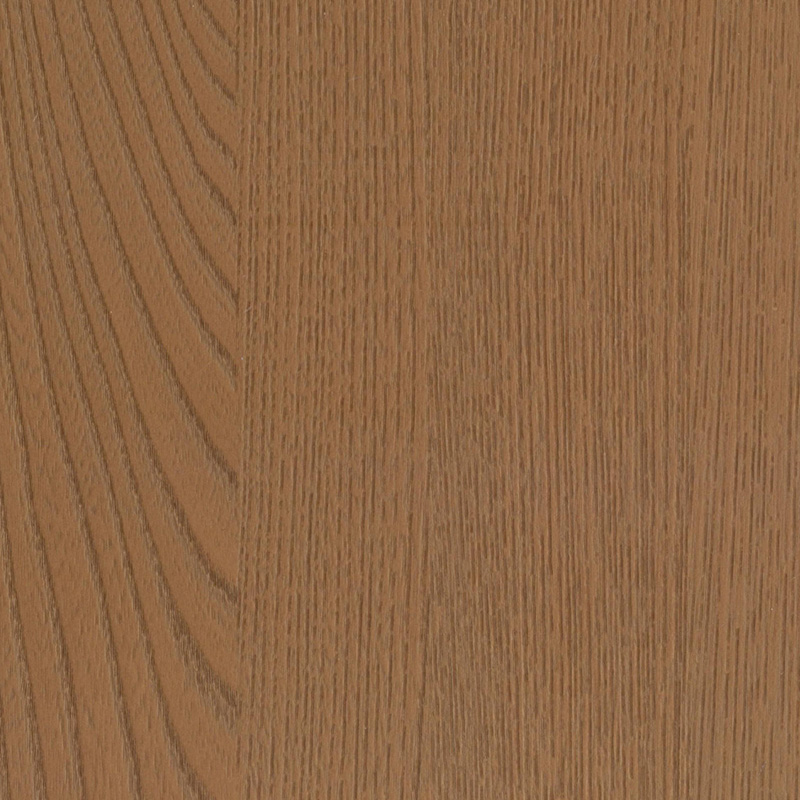
- Wood grain designs: Provide warm, natural appearances.
- Marble and stone looks: Add elegance to surfaces.
- Solid color options: Deliver clean, modern effects.
- Metallic finishes: Introduce subtle shine.
These choices allow coordination across different pieces in a space.
Applications in Furniture and Cabinetry
Furniture makers apply PVC decor film to create consistent finishes on drawers, shelves, and tabletops. Vacuum membrane pressing pulls the film tightly over contours for seamless coverage. Flat lamination works well for larger, even areas.
In kitchens and bathrooms, the film covers cabinet fronts, resisting daily interactions while maintaining appearance. Wardrobes and closets benefit from similar treatments, creating unified storage solutions.
Creative Ways to Incorporate the Film
Home projects often focus on updating existing pieces. A plain dresser receives new life with a wood grain PVC decor film, blending into bedroom schemes. Office furniture gains polish through coordinated solid colors across desks and storage units.
Commercial spaces use the material for counter fronts or display panels, supporting brand aesthetics. The film's flexibility handles curved edges and profiles, expanding design opportunities without complex fabrication.
Process of Applying PVC Decor Film
Preparation involves cleaning the substrate for good adhesion. The film aligns carefully before activation with heat. Machines apply even pressure, ensuring no air pockets remain. Trimming follows to finish edges neatly.
This method produces durable results suitable for indoor environments. Color consistency across batches helps maintain uniformity in larger installations.
Benefits for Interior Projects
PVC decor film adds a protective layer that handles normal wear in living areas. Its surface characteristics support easy cleaning with standard methods. The material's stability under indoor lighting conditions helps preserve tones over time.
Lightweight properties mean it does not add significant load to furniture structures. Variety in textures, from smooth to embossed, allows tactile as well as visual enhancements.
Exploring Design Combinations
Mixing patterns creates dynamic interiors. A marble PVC decor film on a console table pairs with wood grain accents on nearby shelving. High-gloss versions brighten smaller rooms, while matte finishes reduce glare in work areas.
Designers experiment with contrasts or harmonies to guide movement through spaces. The film's availability in multiple widths supports efficient cutting for custom sizes.
- Room coordination: Match film on multiple furniture items.
- Accent features: Highlight specific pieces with distinct patterns.
- Layered effects: Combine with other materials for depth.
Such strategies turn functional items into design statements.
Role in Larger Scale Installations
In apartment buildings or office complexes, PVC decor film streamlines surface treatments across units. Consistent application on doors and panels creates cohesive environments. Renovation teams value the speed of lamination compared to traditional finishing methods.
The material supports quick updates during tenant changes or refreshes. Its compatibility with different base materials simplifies inventory for contractors.
PVC decor film continues to serve as a practical choice for transforming everyday surfaces. Its range of styles and application methods fits into diverse interior approaches, from simple home updates to coordinated commercial designs. The material helps bring ideas to life through reliable performance and visual variety.


 No.3 Guangfu \Road, Hecun Town, Jiangshan City, Zhejiang Province, China
 +86-15700041115

Copyright © Zhejiang Jiahong Decoration Material Co., Ltd. All Rights Reserved
