
 English
 русский
 Español
 عربى
عربى Deutsch
Can PVC Furniture Film Mimic Real Wood?
What PVC Furniture Film Actually Is
PVC furniture film is a decorative surface material made from polyvinyl chloride, applied over substrates like MDF, particleboard, or plywood to give furniture pieces a finished look without relying on paint, veneer, or solid wood. The film itself typically comes printed or embossed with a pattern — wood grain, stone texture, solid color, matte or gloss finish — then laminated onto the substrate surface using heat and pressure or adhesive bonding.
This approach lets manufacturers produce furniture with a wide range of appearances from a relatively small set of substrate materials, since the film does the visual work rather than requiring different core materials for each finish option.
Print Patterns and Finish Options
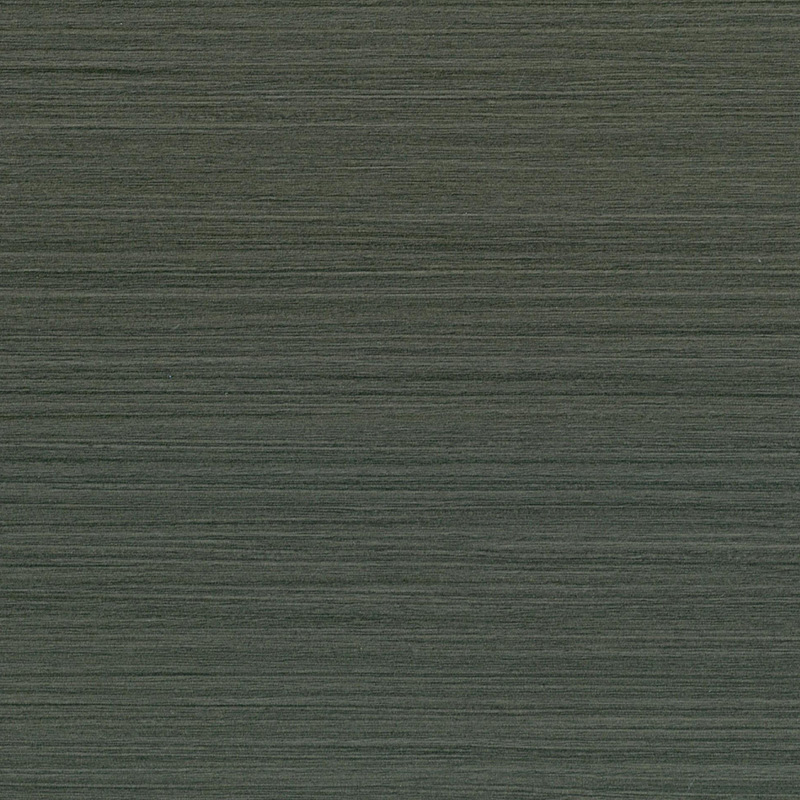
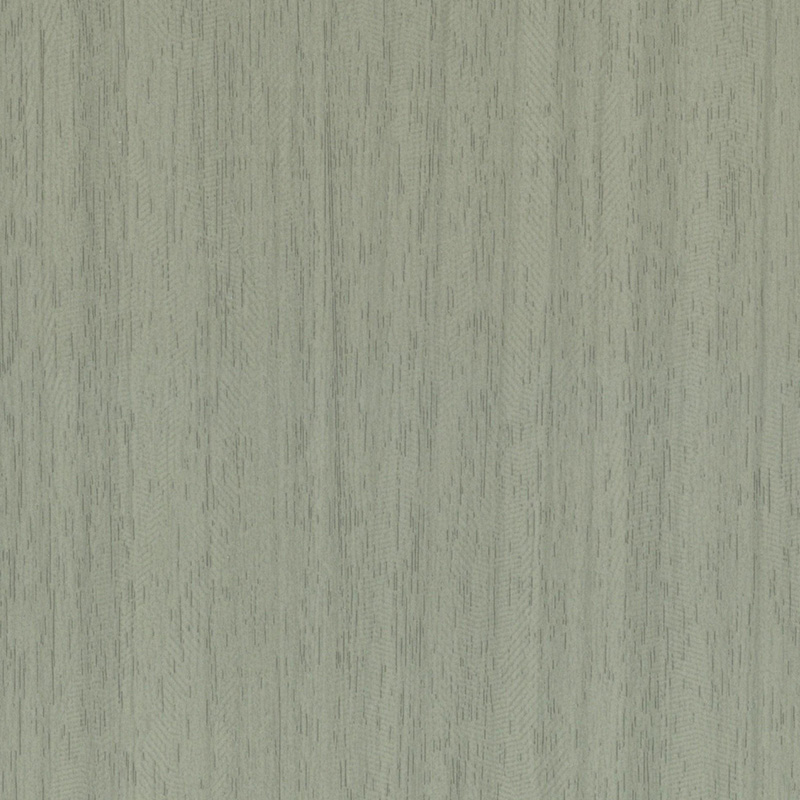
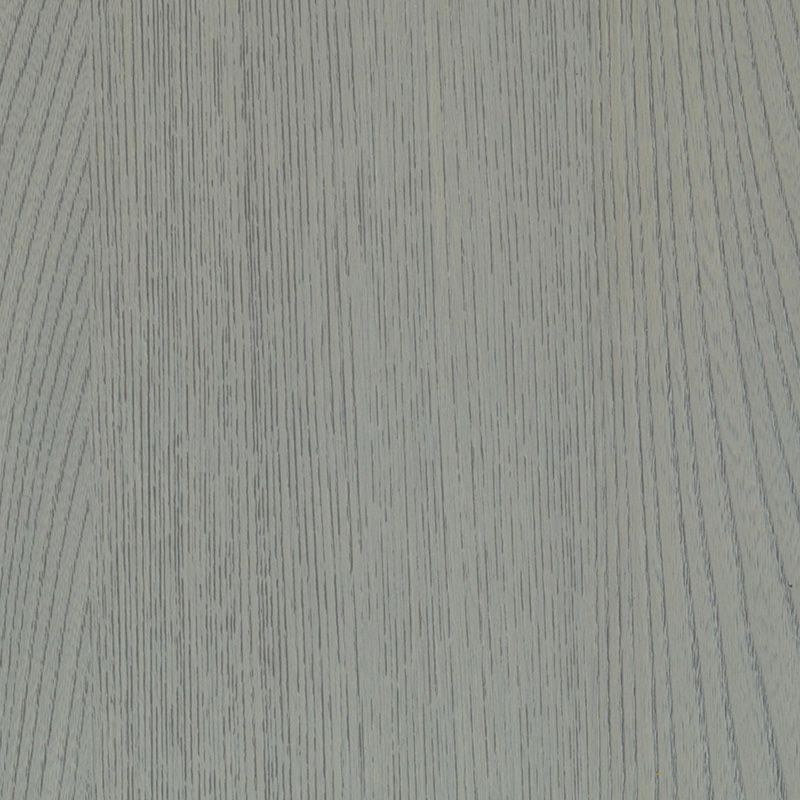
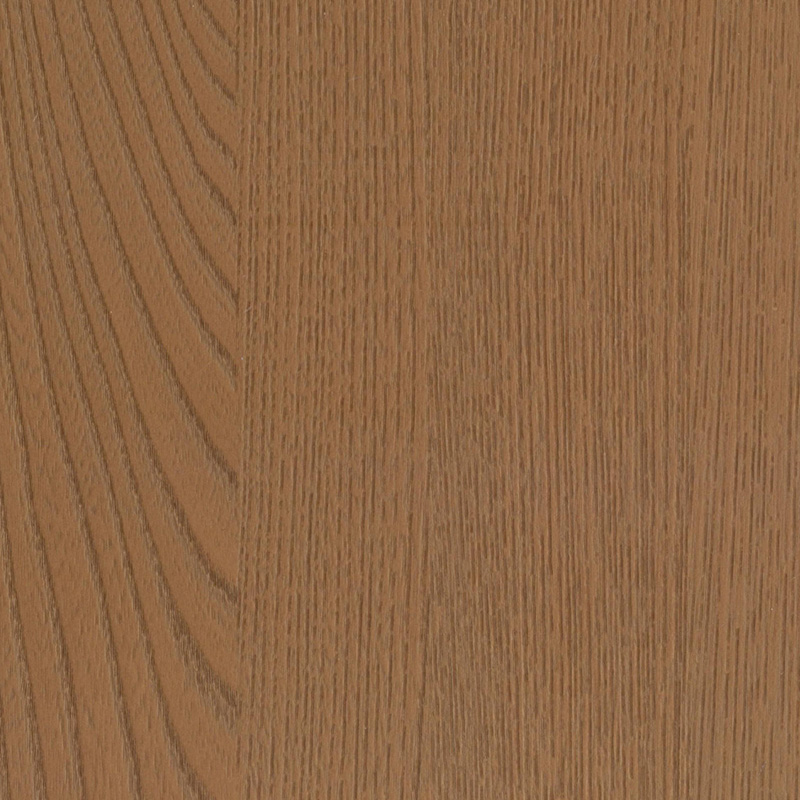
Wood grain remains one of the more common pattern choices, replicating oak, walnut, or other timber appearances without the cost or material variability of actual wood veneer. Solid colors and stone or marble patterns have also become popular, particularly in kitchen cabinetry and office furniture where a consistent, uniform look matters more than natural material variation.
Surface finish adds another layer of distinction. Matte finishes tend to hide fingerprints and light surface marks better, while gloss finishes deliver a more reflective, polished appearance often used in contemporary furniture design. Textured finishes, sometimes embossed to mimic real wood grain texture, add a tactile quality that flat printed film alone doesn't provide.
Application Methods
Manufacturers apply PVC furniture film using a few different methods, chosen based on the substrate shape and production setup. Flat lamination presses film onto flat panel surfaces using heated rollers, suited to cabinet doors, tabletops, and panel faces. Membrane press application uses vacuum pressure to wrap film around three-dimensional or contoured profiles, common for cabinet doors with routed detailing or curved edges.
Edge banding represents another common use, where narrower strips of PVC film get applied along panel edges to cover exposed substrate material and match the surrounding finish. This step matters for both appearance and protecting the substrate edge from moisture or physical damage during handling.
Choosing Between Film Weights and Widths
Film thickness and roll width vary depending on intended use. Thinner films suit simple flat panel work, while thicker films handle wrapped edges and contoured profiles better, since they need to stretch without thinning out or tearing at corners and curves. Roll width typically gets matched to panel dimensions in a manufacturer's production line, reducing seams and material waste during application.
Manufacturers producing a range of furniture types — flat-panel cabinetry, contoured doors, edge-banded shelving — often work with more than one film weight and pattern combination to cover different product lines from a single supplier relationship.
FAQ
Can PVC furniture film be applied to curved or contoured surfaces?
Yes, membrane press application uses vacuum pressure to wrap film around contoured or routed profiles, making it suitable for cabinet doors and detailed panel edges beyond flat surfaces.
Does PVC furniture film come in widths matched to standard panel sizes?
Roll widths vary by supplier, and manufacturers typically select a width that aligns with their panel dimensions to minimize seams and material waste during lamination.
What substrates work well with PVC furniture film?
MDF and particleboard are the common substrate choices, offering smooth, consistent surfaces that laminate evenly compared to solid wood with natural grain variation.
How does surface finish affect the look of PVC furniture film?
Matte finishes offer a softer, less reflective appearance and tend to show fewer surface marks, while gloss finishes create a more reflective, polished look often used in contemporary furniture styles.


 No.3 Guangfu \Road, Hecun Town, Jiangshan City, Zhejiang Province, China
 +86-15700041115

Copyright © Zhejiang Jiahong Decoration Material Co., Ltd. All Rights Reserved
