
 English
 русский
 Español
 عربى
عربى Deutsch
PVC Furniture Film Transforms Cabinet
The furniture industry, particularly the cabinet and built-in segment, relies heavily on engineered panels like particleboard and MDF as a core structural material. The surface finish applied to these panels is what defines their aesthetic and functional character in the final product. A pilot material for this finishing process is PVC Furniture Film. This flexible, laminated film, made from polyvinyl chloride, is specifically engineered to be bonded to substrate panels, creating durable, decorative, and consistent surfaces for kitchen cabinets, wardrobes, office furniture, and retail fixtures. The use of PVC Furniture Film represents a significant manufacturing trend, offering an alternative to traditional laminate, wood veneer, or painted finishes with a distinct set of benefits.
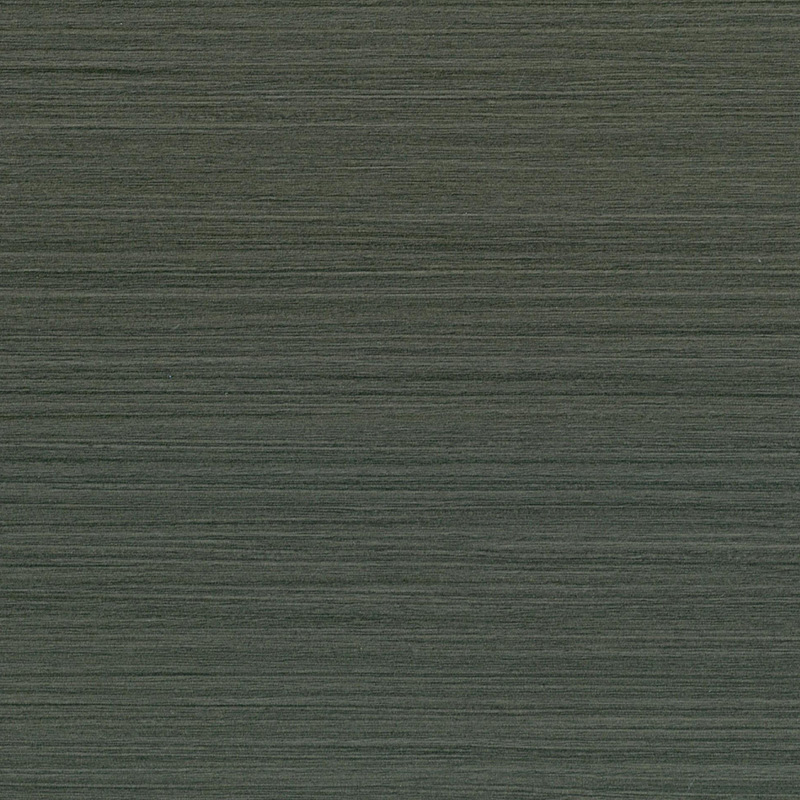
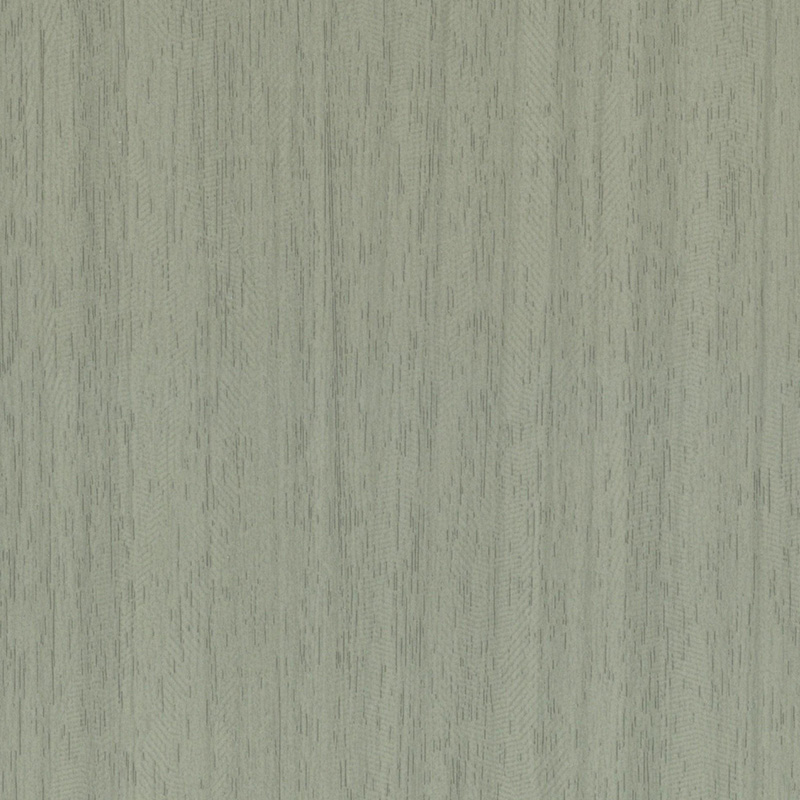
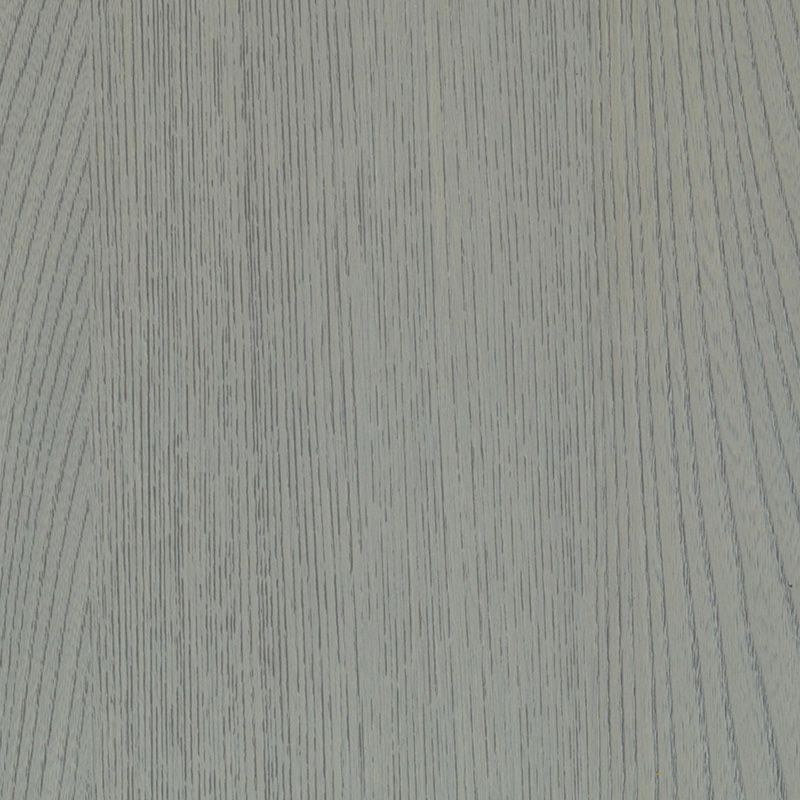
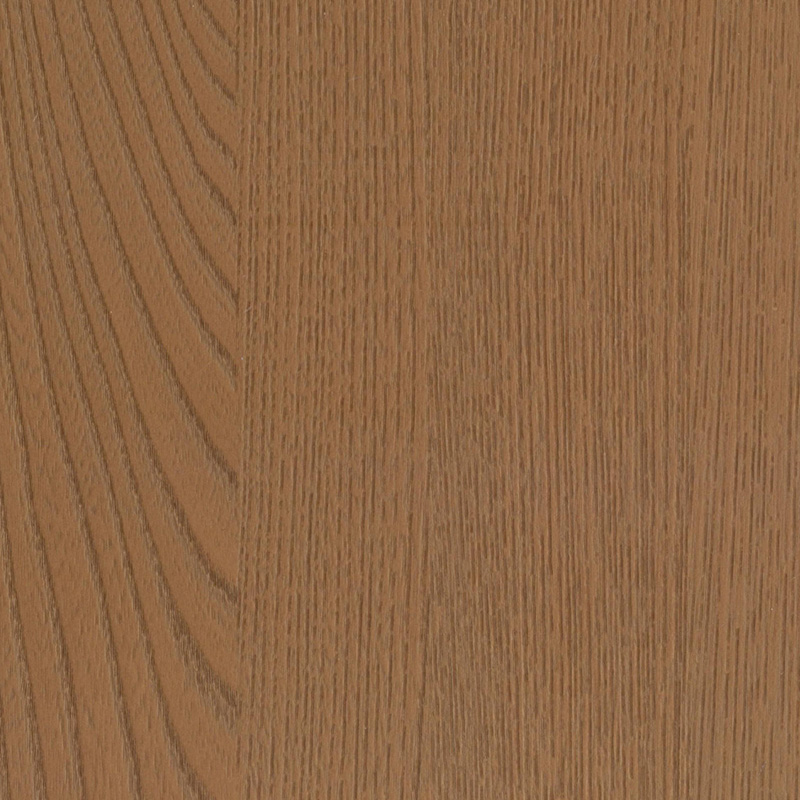
The production of PVC Furniture Film involves creating a multi-layer, flexible sheet. A base layer of PVC compound provides the film's structure and flexibility. This layer is then printed with high-definition patterns, lots of commonly wood grain reproductions, but also including solid colors, metallic looks, and abstract designs. A crucial step is embossing, where a textured roller imprints a surface pattern onto the film, often in superb registration with the print to replicate the tactile feel of real wood grain. Finally, a protective top coat, typically a wear-resistant polyurethane or acrylic layer, is applied. This top coat safeguards the print from scratches, stains, and fading, making the finished PVC Furniture Film suitable for demanding environments like kitchens.
The application of PVC Furniture Film to furniture components is a specialized industrial process. For flat panel components, the film is laminated onto sheet stock using adhesives under heat and pressure in large continuous presses. For three-dimensional parts, such as cabinet doors with profiled edges, a technique called vacuum membrane pressing is widely used. In this process, the PVC Furniture Film is placed over the part, and a flexible membrane uses vacuum pressure to uniformly wrap the film around complex contours and edges, creating a seamless, "soft-formed" finish without visible seams or gaps. This capability to conform to shapes is a key advantage of PVC Furniture Film over rigid laminates.
Several compelling advantages drive the widespread adoption of PVC Furniture Film. is its exceptional design consistency and reproducibility. Unlike natural wood veneer, which has inherent variation, PVC Furniture Film offers a superbly uniform appearance across thousands of cabinets, essential for large projects and production runs. Second, it provides outstanding durability for residential and light commercial use. The surface resists moisture, common household chemicals, and abrasion, making it a practical choice for kitchens and bathrooms. Third, the process allows for a wide range of aesthetic effects, including high-gloss, matte, and textured finishes, at a cost-effective point compared to many alternatives.
Current developments in PVC Furniture Film technology are focused on enhancing realism, performance, and sustainability. Manufacturers are investing in deeper, more authentic embossing textures and advanced printing techniques to create films that are virtually indistinguishable from natural materials. There is ongoing work to improve the chemical and heat resistance of the top coats. From an environmental perspective, the industry is addressing concerns by developing PVC Furniture Film products that are free from heavy metals and certain plasticizers, and by improving recycling streams for production waste. As furniture design trends continue to evolve, the versatility and processing benefits of PVC Furniture Film ensure its continued relevance as a primary surfacing solution, shaping the look and feel of functional furniture in homes and businesses globally.


 No.3 Guangfu \Road, Hecun Town, Jiangshan City, Zhejiang Province, China
 +86-15700041115

Copyright © Zhejiang Jiahong Decoration Material Co., Ltd. All Rights Reserved
