
 English
 русский
 Español
 عربى
عربى Deutsch
PVC Interior Film Enhances Built Environments
The construction and renovation of commercial and residential interiors increasingly utilize materials that offer both visual impact and functional performance. Among these, PVC Interior Film has emerged as a significant product category for surface enhancement and design articulation. This flexible, laminated material, based on polyvinyl chloride, is engineered for direct application to walls, ceilings, doors, and built-in elements. Unlike paints or rigid panels, PVC Interior Film provides an integrated solution that combines decorative graphics, texture, and physical protection in a single, easy-to-install layer, contributing to the aesthetic and practical quality of spaces such as hotels, offices, retail stores, healthcare facilities, and modern homes.
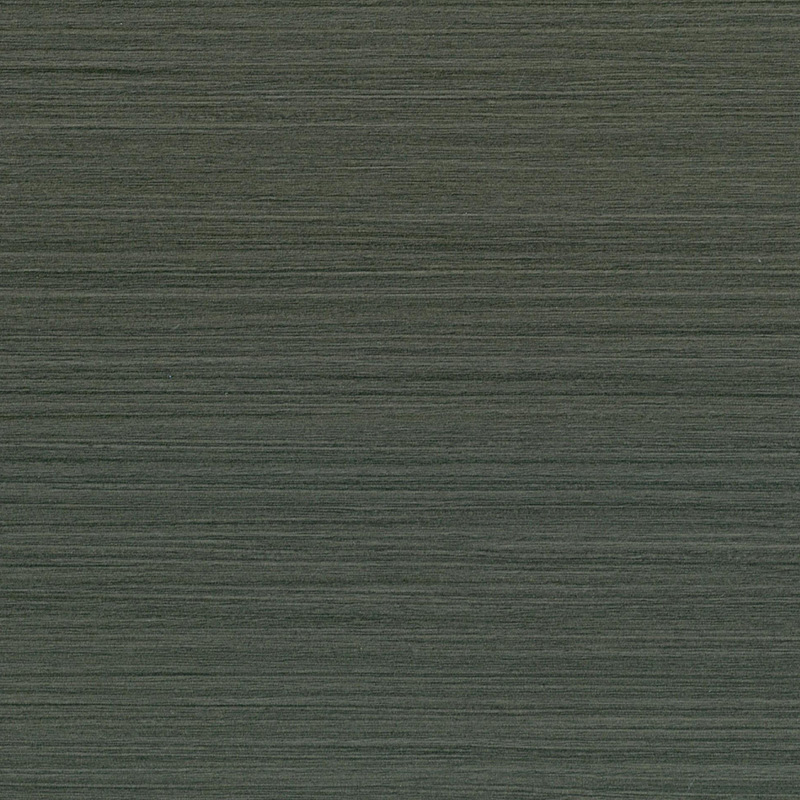
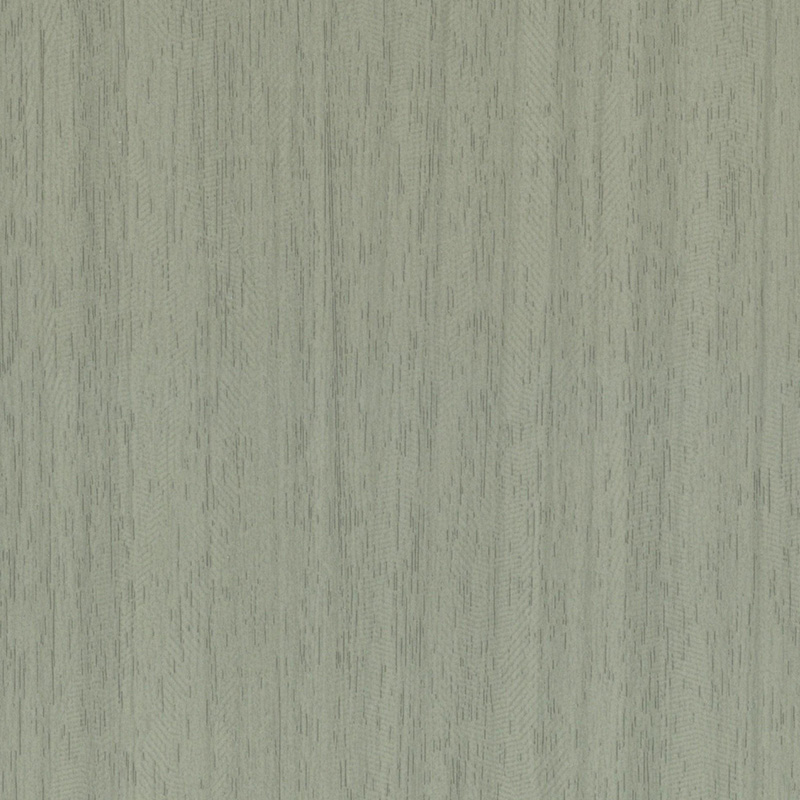
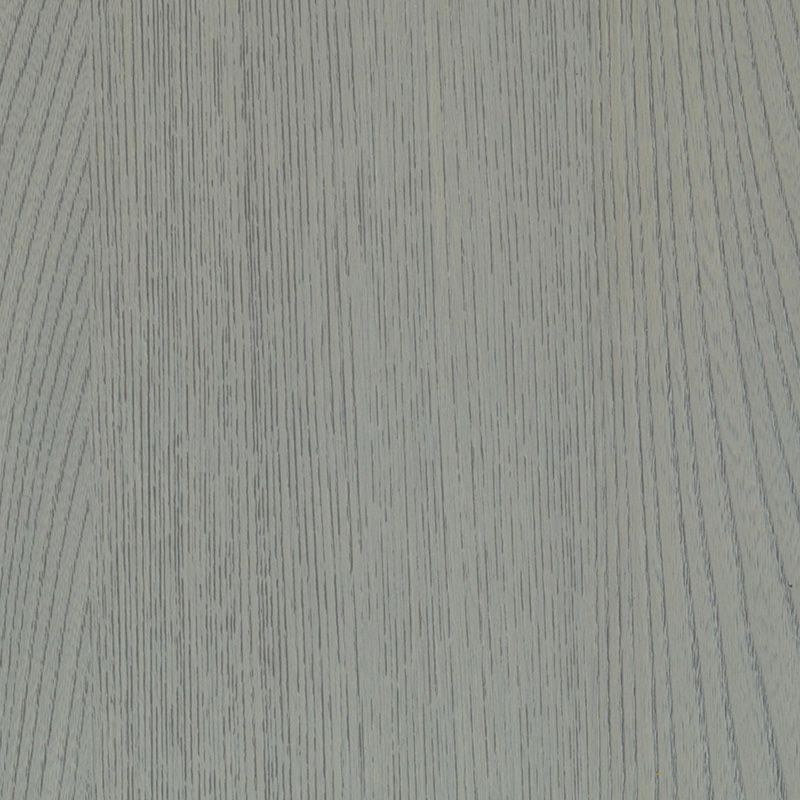
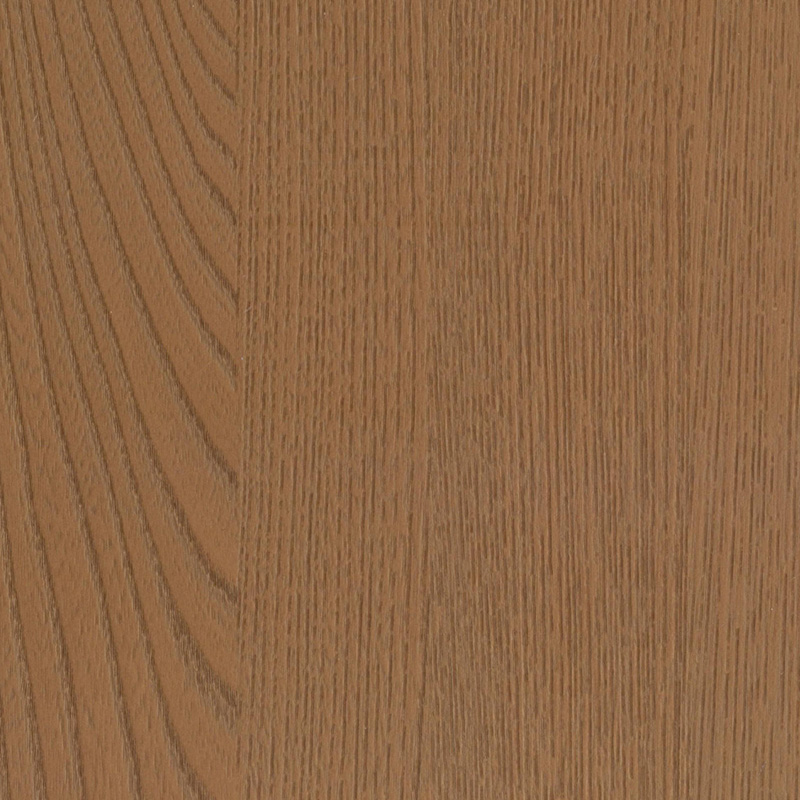
The composition of PVC Interior Film is designed for durability and versatility. It typically consists of a PVC carrier film, which provides flexibility and dimensional stability, layered with printed designs or solid colors. A key feature is its surface finish, which can range from high-gloss and satin to matte and textured embosses, mimicking materials like fabric, leather, wood, or stone. A protective top coat, often a clear polyurethane or acrylic layer, is applied to guard against scratches, stains, and fading from UV exposure. Many films also incorporate an adhesive backing, protected by a release liner, allowing for straightforward dry application onto smooth, prepared substrates like plasterboard, plywood, or metal, without the need for wet adhesives on-site.
The application scope for PVC Interior Film is broad within the interior design and architecture sectors. A primary use is as a wall covering, where it offers a durable and often washable alternative to paint or wallpaper, especially in high-traffic areas like corridors, lobbies, and bathrooms. It is also extensively used to refresh and unify the appearance of built-in cabinetry, closet interiors, and elevator cabs. In retail and hospitality, PVC Interior Film is applied to feature walls, column wraps, and furniture surfaces to create branded environments or thematic decor. Its ability to conform to slightly curved surfaces and its availability in wide rolls makes it efficient for covering large, continuous areas with small visible seams.
Several functional benefits support the specification of PVC Interior Film in professional projects. Its durability and ease of maintenance are major advantages; surfaces can be cleaned with mild detergents, and the material is generally resistant to moisture, making it suitable for areas where paint might degrade. From a design perspective, PVC Interior Film offers immense creative freedom, with digital printing enabling custom graphics, murals, or precise color matching. The installation process is relatively clean and fast compared to many other finishes, which can reduce project downtime. Furthermore, when renovation is needed, many films can be removed without excessive damage to the underlying substrate, facilitating future updates.
Ongoing advancements in PVC Interior Film technology are responding to demands for higher performance, sustainability, and specialized applications. Developments include films with enhanced fire-retardant properties for use in public buildings, improved antimicrobial surfaces for healthcare settings, and products with higher levels of post-consumer recycled content. The advent of digitally printable, adhesive-free films that are applied using heat-activated systems is also gaining traction, offering repositionability during installation. As architects and designers continue to seek materials that balance aesthetic expression with practical resilience and speed of installation, PVC Interior Film is poised to maintain a key role. Its evolution reflects the broader movement toward functional, adaptable, and visually dynamic interior solutions that define contemporary built spaces.


 No.3 Guangfu \Road, Hecun Town, Jiangshan City, Zhejiang Province, China
 +86-15700041115

Copyright © Zhejiang Jiahong Decoration Material Co., Ltd. All Rights Reserved
