
 English
 русский
 Español
 عربى
عربى Deutsch
PVC Wood Grain Decorative Film Replicates Natural Wood
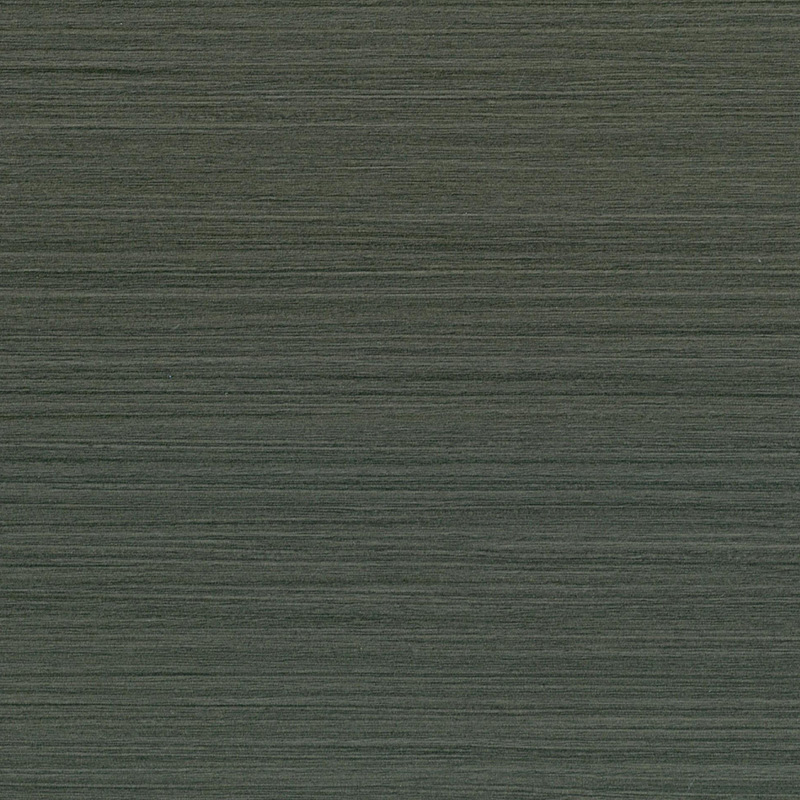
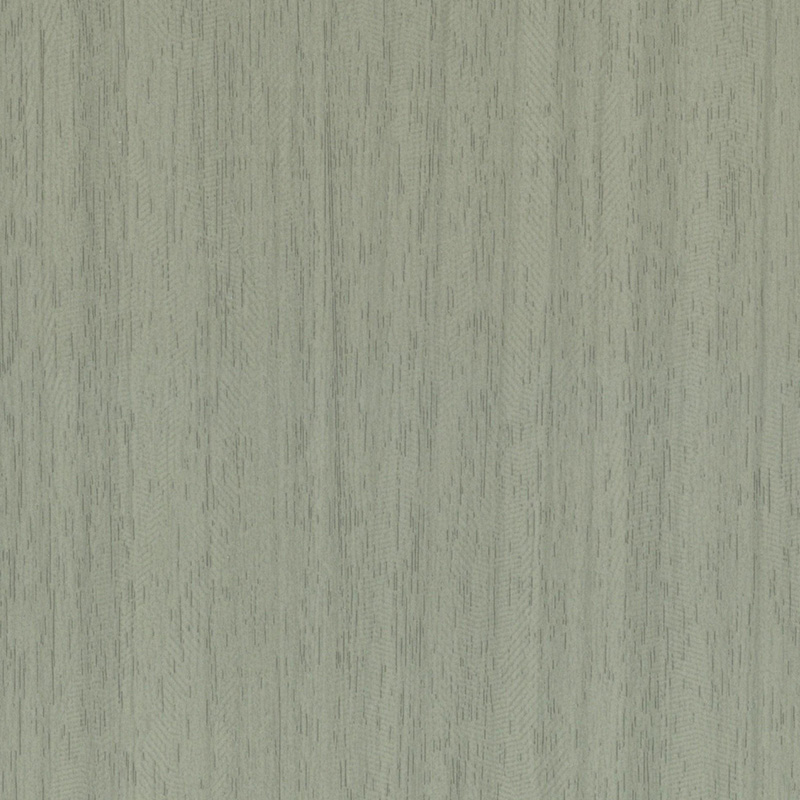
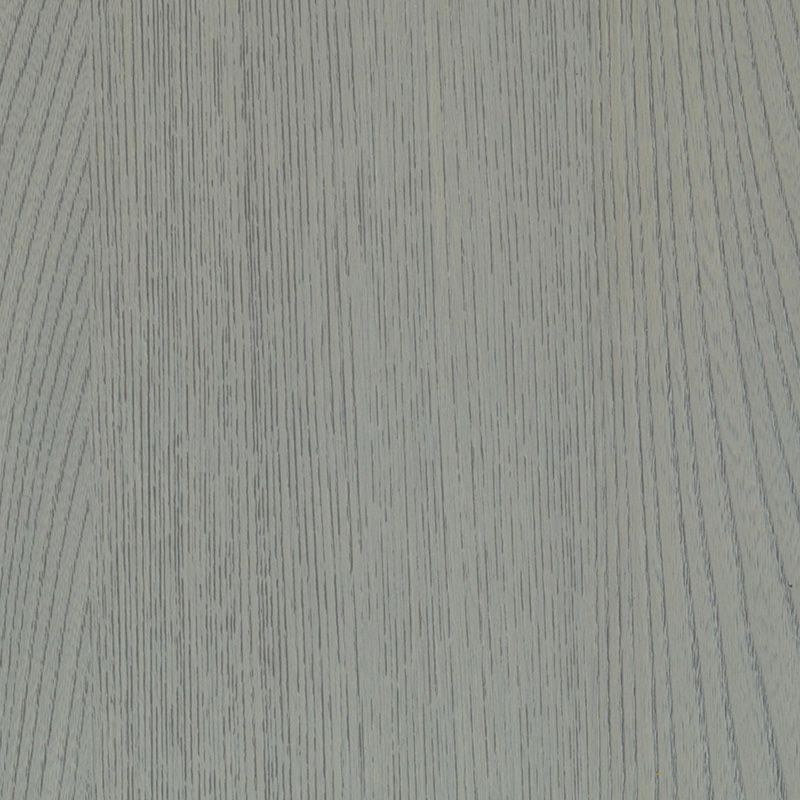
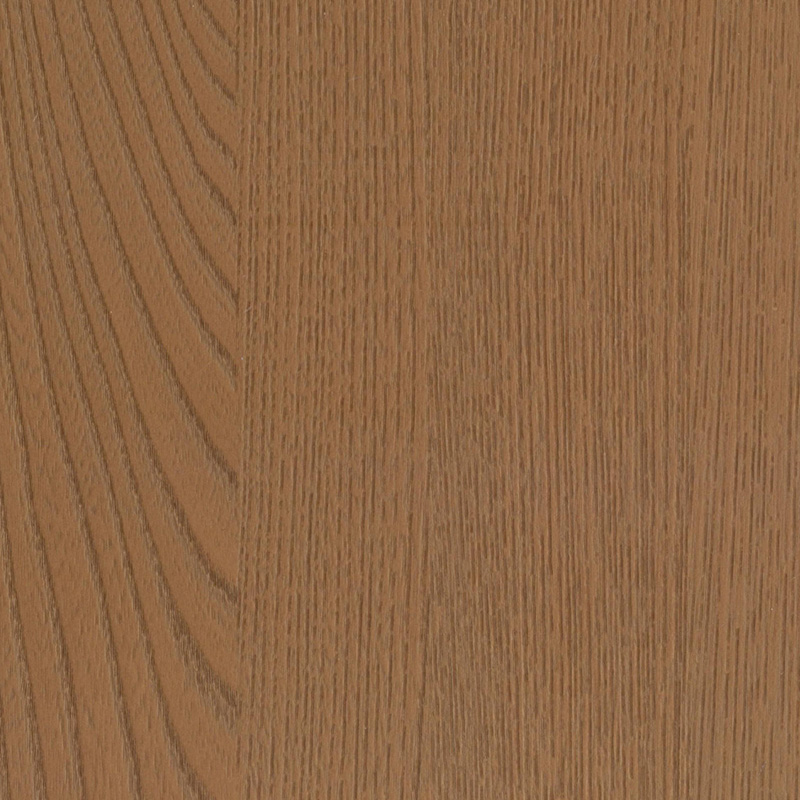
The desire for the warm, natural aesthetic of wood in interior design and furniture manufacturing often meets practical constraints of cost, availability, and durability. Bridging this gap is a specialized product: PVC Wood Grain Decorative Film. This flexible laminated material, made from polyvinyl chloride, is meticulously printed and textured to replicate the visual and tactile characteristics of various wood species, from oak and walnut to ash and teak. As a surface finishing material, PVC Wood Grain Decorative Film is applied to substrates like MDF, particleboard, and plywood, offering a convincing wood-like appearance with the functional benefits and consistency of a synthetic material, making it a cornerstone of the cabinet, furniture, and interior cladding industries.
The production of high-quality PVC Wood Grain Decorative Film is a technical process focused on achieving realism. It begins with a base layer of flexible, often calendered, PVC. This film is then fed through advanced rotary printing presses that apply multiple layers of ink to create a photorealistic wood grain pattern, complete with variations in color, heartwood, and sapwood effects. The critical step for authenticity is embossing. Using engraved rollers, a three-dimensional texture is imprinted onto the film's surface. In premium films, this embossing is registered to align superbly with the printed grain pattern, so the tactile ridges correspond to the visual lines, creating a remarkably authentic feel. A final transparent wear layer, typically of polyurethane, is applied to protect the print from scratches, stains, and UV fading.
The primary application of PVC Wood Grain Decorative Film is in the lamination of engineered wood panels for furniture and interiors. For flat surfaces, such as cabinet sides and shelves, the film is bonded to sheet stock using adhesive under heat and pressure in a continuous laminating press. For shaped components like cabinet doors with profiled edges, a vacuum forming process is used. Here, the PVC Wood Grain Decorative Film is heated and then drawn by vacuum pressure over the contoured substrate, wrapping it seamlessly without gaps or seams—a technique known as "soft-forming" or "vacuum membrane pressing." This allows for the creation of furniture with a continuous wood-grain appearance across complex three-dimensional shapes, which is difficult and costly to achieve with real wood veneers.
The market appeal of PVC Wood Grain Decorative Film is driven by a compelling combination of advantages. Cost-effectiveness is a fundamental factor, providing a wood aesthetic at a fraction of the price of solid wood or high-grade veneers. Consistency and uniformity are other key benefits; unlike natural wood, which has inherent variations, each sheet of PVC Wood Grain Decorative Film is identical, ensuring a superbly matched appearance across large projects and production runs. Practicality is also significant: the finished surface is easy to clean, resistant to moisture and many household chemicals, and does not require the periodic sealing or refinishing that real wood demands. This makes it particularly suitable for kitchens, bathrooms, and commercial interiors.
Developments in PVC Wood Grain Decorative Film technology are continuously enhancing its realism and sustainability. Manufacturers are investing in deeper, more varied embossing textures and higher-definition printing to create films that are increasingly difficult to distinguish from genuine wood. There is a growing focus on expanding design libraries to include less common, reclaimed, or weathered wood looks. On the environmental front, efforts are directed toward producing films that are phthalate-free, using more sustainable plasticizers, and increasing the recyclability of production waste. As digital printing technology advances, it also opens the door to greater customization.


 No.3 Guangfu \Road, Hecun Town, Jiangshan City, Zhejiang Province, China
 +86-15700041115

Copyright © Zhejiang Jiahong Decoration Material Co., Ltd. All Rights Reserved
